
Macaron Batter Consistency: When to Stop Folding
Macaron batter should flow from the spatula in a controlled ribbon and settle after piping without running flat. Check the flow and a small piped test together as you approach the endpoint. Stop folding once the recipe’s cues are met: an overworked batter cannot reliably regain its original structure.
Explore Macarons 2.0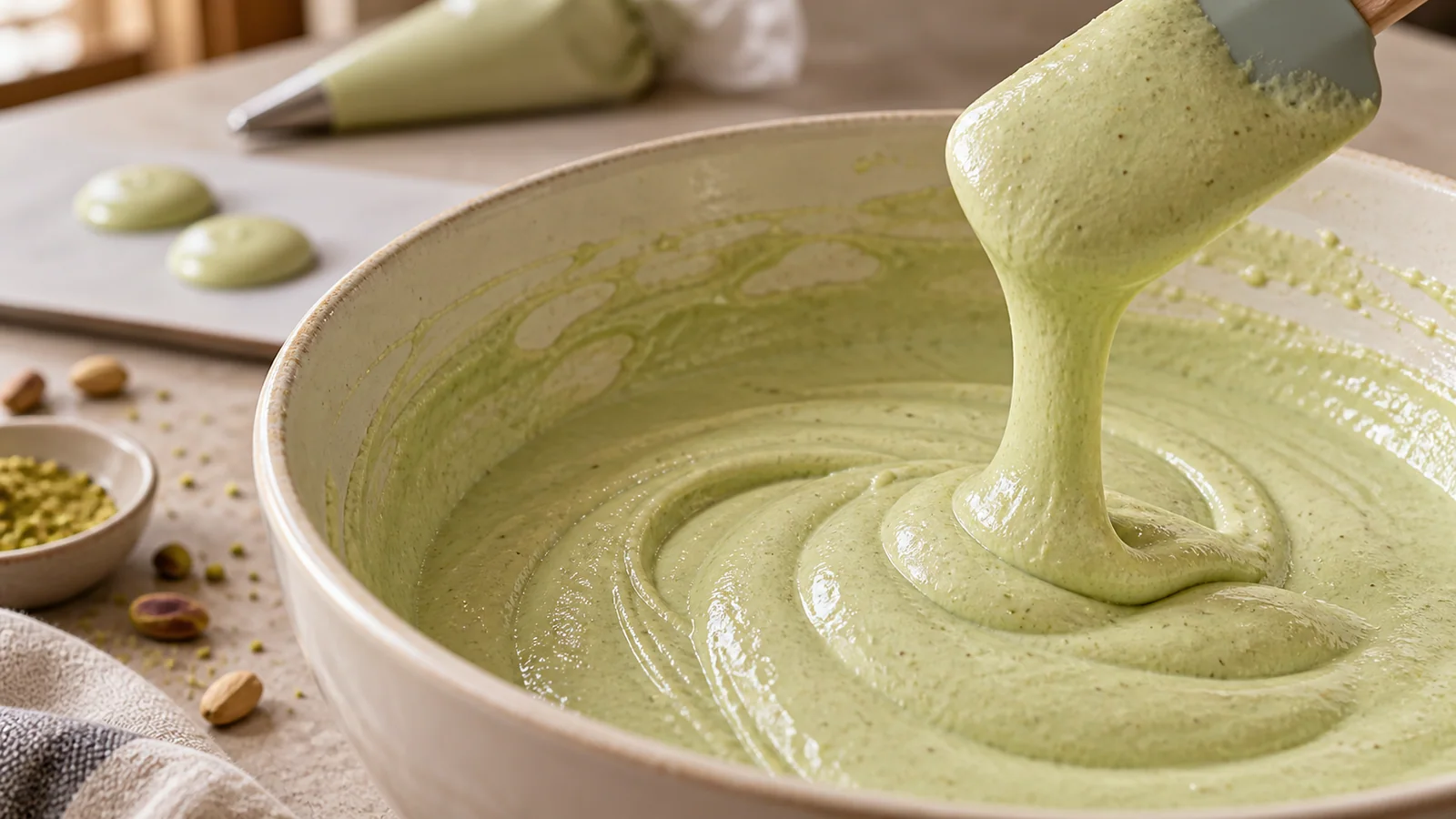
What macaronage is trying to achieve
Macaronage is the stage where the almond mixture and meringue become a smooth, pipeable batter. It combines the ingredients and adjusts the aeration so the rounds can settle into the shape needed for baking. The goal is not to keep every bubble, nor to remove every trace of air. It is to reach the behaviour required by your recipe.
Start with ingredients measured as specified and a meringue at the right stage. Folding cannot reliably compensate for a weak foam, a major weighing error or a different flour substituted without a suitable formula. Those problems can make a batter look wrong even when your spatula movement is careful. Check the starting mixture before treating macaronage as the only variable.
Recognise a batter that is still too stiff
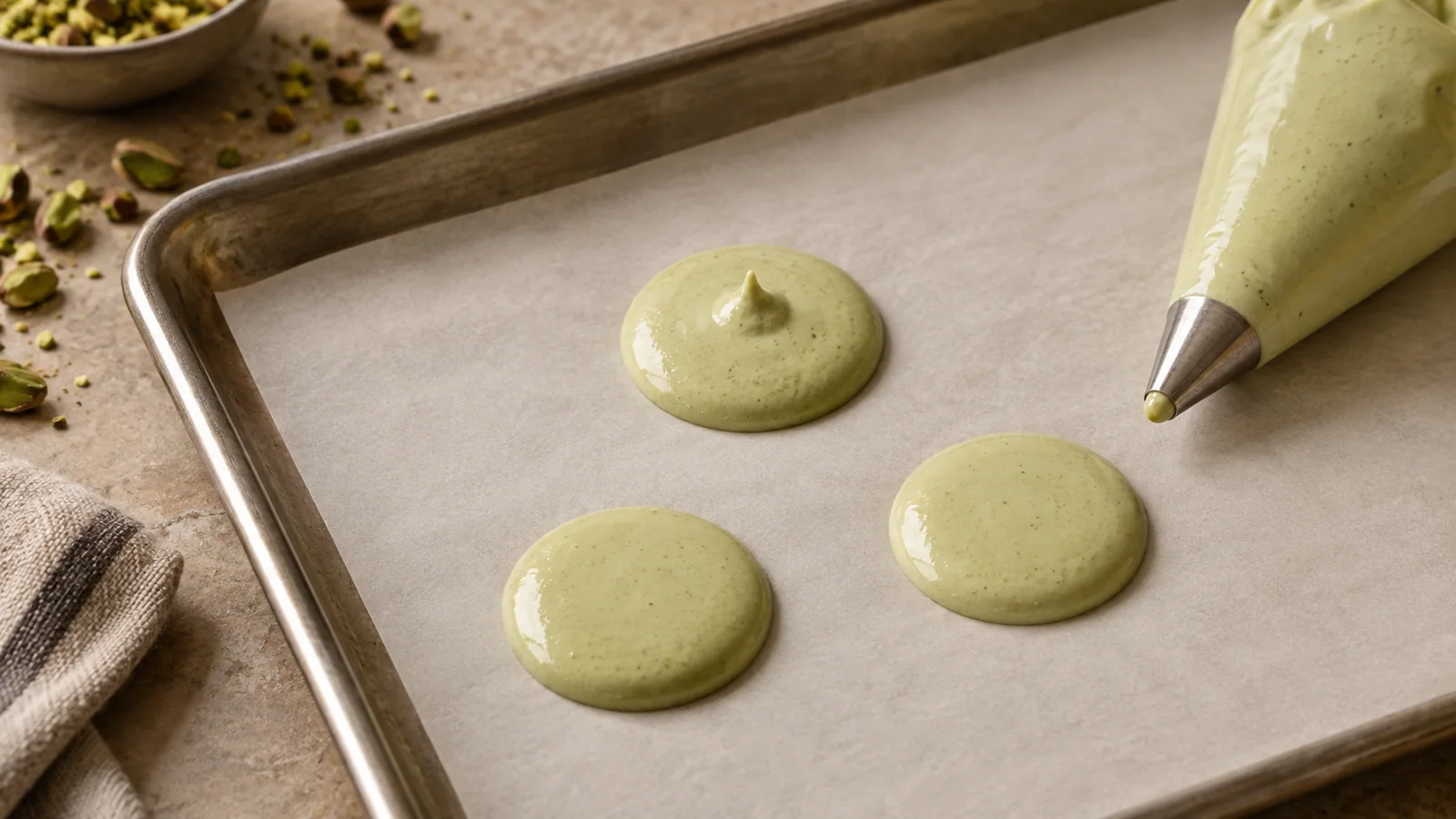
Early in mixing, the batter may fall from the spatula in disconnected clumps or leave prominent ridges. A piped test can retain a sharp peak instead of gradually smoothing. If dry pockets remain around the bowl or in the base, the ingredients are not yet evenly combined. Scrape the bowl as part of the process.
Continue with controlled folds and check again. Do not attack the mixture simply because it has not reached the final texture yet. A stiff batter changes as you work it, and the last part of the process can happen more quickly than the first. Bring your attention closer as the mixture becomes cohesive and begins to flow.
Use ribbon and settling cues together
Lift some batter on the spatula and let it fall back into the bowl. Look for a continuous, controlled ribbon rather than a stream that immediately disappears or lumps that will not join. Watch how the ribbon merges into the surface. Follow the endpoint described by your recipe, because different formulas do not all settle at precisely the same speed.
A small piped test adds useful information. The round should settle towards a smooth top while retaining a defined shape. A figure-eight demonstration can help you observe flow, but making that shape once is not a universal pass or fail test. The batter’s behaviour on the tray matters as much as the pattern it traces above the bowl.
Recognise spreading that more folding will worsen
Batter that pours very freely and spreads into thin, oversized rounds may have been folded too far. The intended structure has been reduced, and another round of mixing cannot restore it. Stop and compare the actual ingredients and process with the recipe before you decide what happened.
Do not add almond flour or icing sugar by guesswork to make the mixture look thicker. That changes the formula and can hide the original problem without producing suitable shells. If the batch is no longer usable for the intended result, record the point at which you passed the endpoint. The useful correction belongs in the next batch, with earlier and more frequent checks.
Check the cooled interior when a flowing batter produces fragile or hollow shells.
Keep piping from obscuring the batter test
A good batter can look inconsistent if the piping changes from shell to shell. Hold the bag upright and use a steady squeeze over the centre of each round. Keep the tip position and amount of batter reasonably consistent. A template can help you compare size without needing to judge every circle by eye.
Use the baking surface specified or tested with your method, on a level tray. Settle the rounds and deal with obvious surface bubbles as your recipe directs. Do not interpret an oval created by sideways piping as proof that the batter is too runny. Make a few controlled test rounds before drawing a conclusion about the whole bowl.
Review air pockets and oven conditions if the piped rounds later crack.
Learn an endpoint you can repeat
Keep the same recipe, bowl and approximate batch size while you learn. Note the meringue texture, how the batter fell from the spatula and what the first piped rounds did. A short video of your own ribbon and tray test can help you compare batches more accurately than a note saying that you folded for a certain number of minutes.
Do not change meringue method at the same time as you change folding technique. Once a batch bakes well, inspect cooled shells and test them with your filling. That connects the mixing cue to the actual dessert. A repeatable endpoint is the one that produces suitable shells in your complete process, not the one that merely looks dramatic in the bowl.
Keep the meringue method consistent while you learn your batter endpoint.
Common questions
How many folds does macaron batter need?
There is no reliable universal count. Batch size, bowl shape, meringue texture and the force of each fold all change the result. Use the flow and settling cues in your recipe, then confirm them with the baked shells.
Can I fix batter that spreads too far by resting it longer?
Resting may prepare the surface in a method that requires it, but it does not reliably restore a batter that has lost too much structure. Review the mixing and formula instead of relying on a longer wait.
Keep exploring
All pastry guides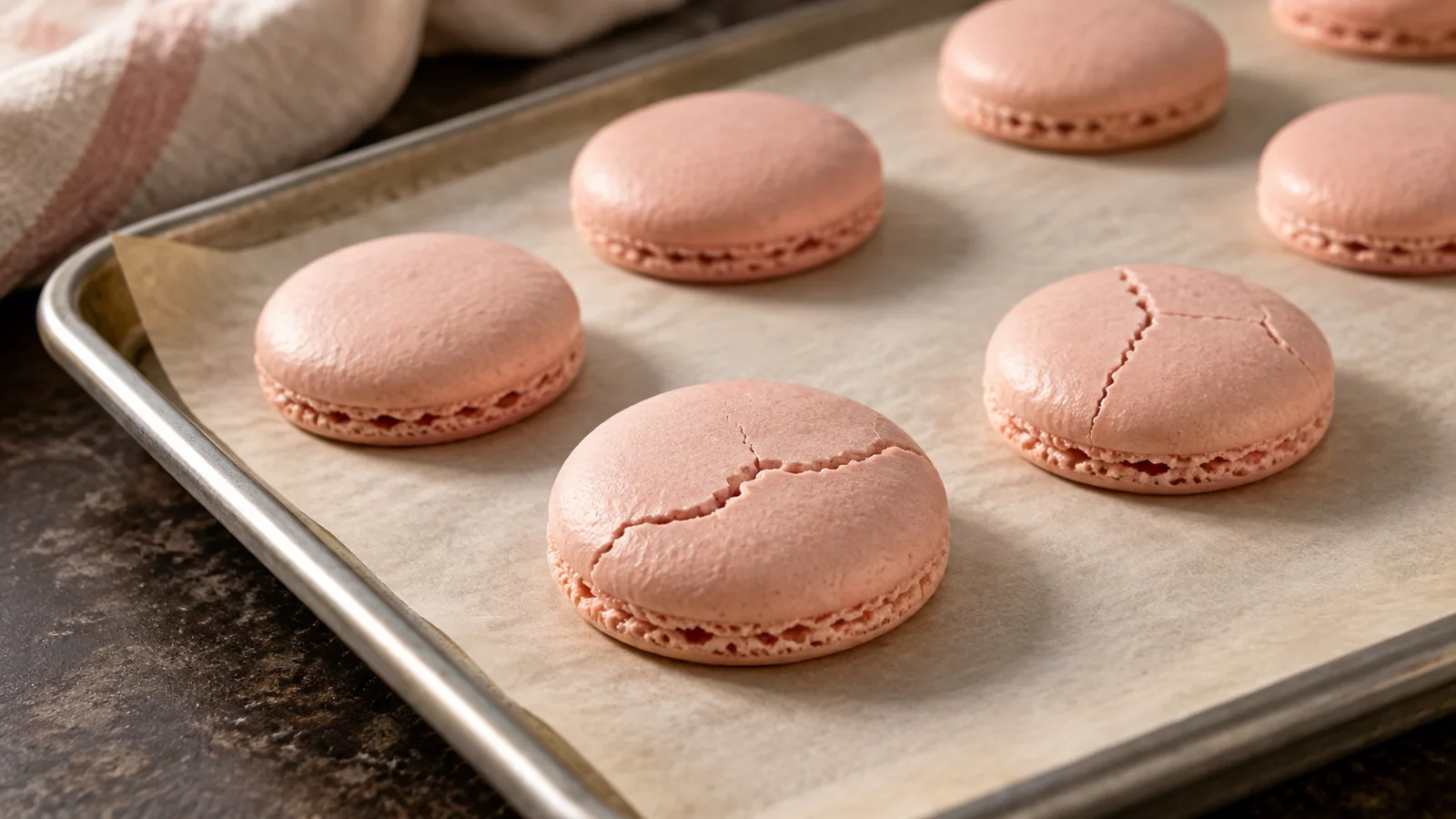
Why Do Macarons Crack in the Oven?
Cracked macaron shells can point to meringue, trapped air, surface preparation or oven conditions. Use the pattern on your tray to choose the next test.
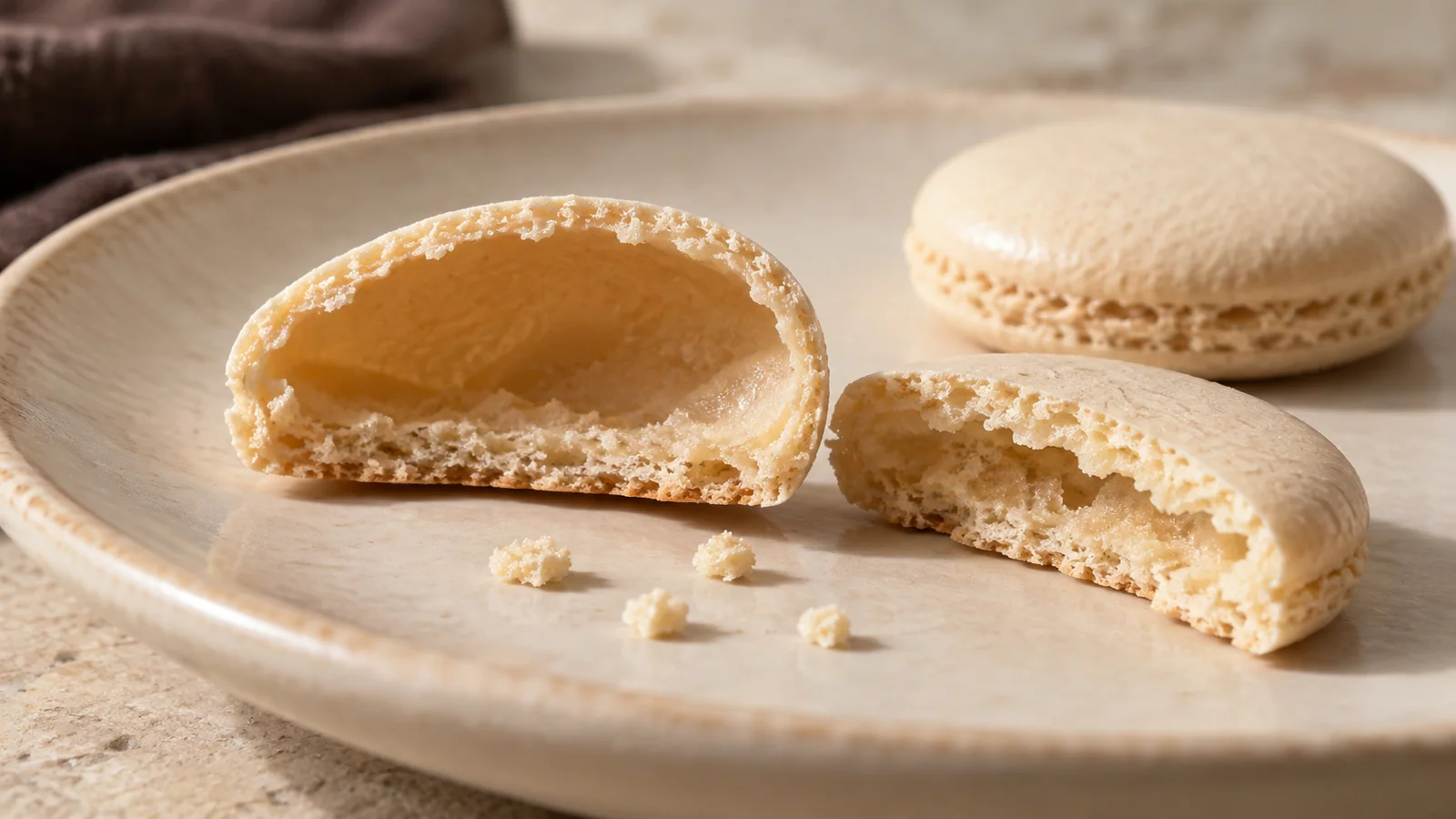
Why Are My Macarons Hollow?
A good-looking macaron can hide a large gap inside. Check cooled shells, meringue, macaronage and baking before trying to fix hollows with filling.
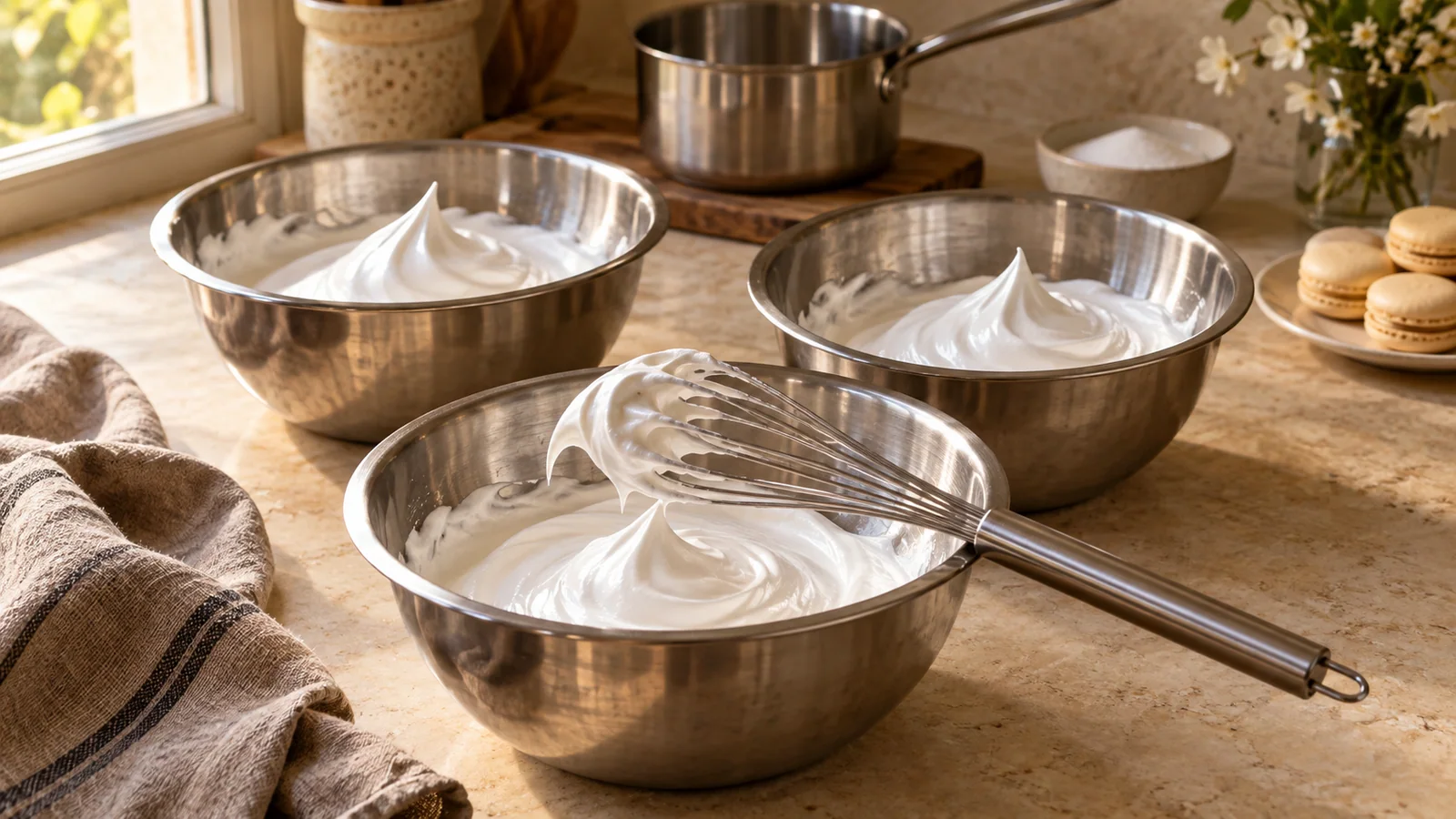
French, Italian or Swiss Meringue for Macarons?
Compare French, Italian and Swiss macaron methods by mixing sequence, equipment and practical checkpoints, then choose one complete recipe to learn.
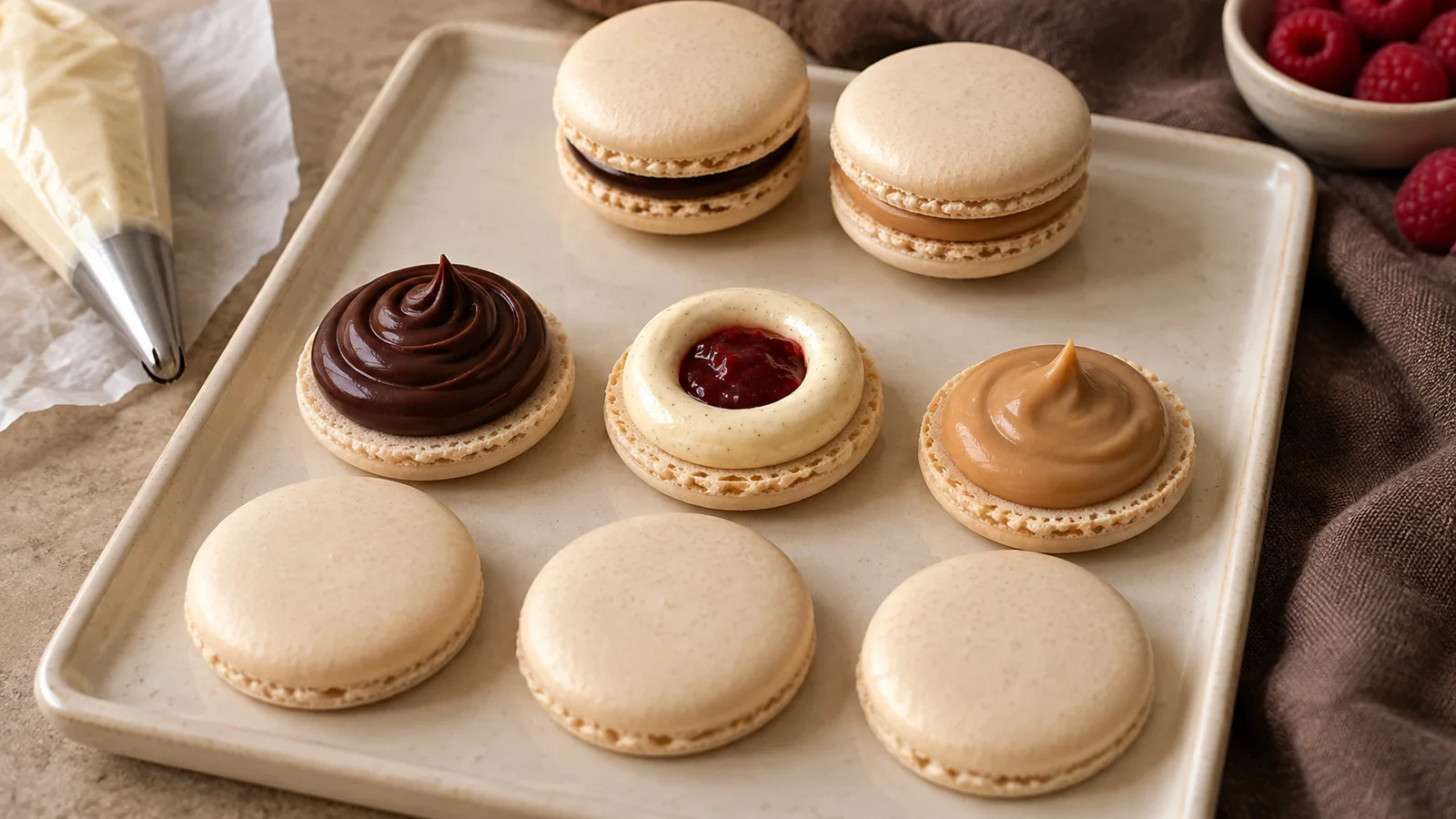
How to Choose a Macaron Filling That Holds Its Shape
Choose a macaron filling for texture as well as flavour. Compare ganache, fruit centres and creams, then test piping, moisture and the finished bite.