
How to Choose a Macaron Filling That Holds Its Shape
A macaron filling should pipe cleanly, stay between the shells and soften them appropriately without soaking them. Choose a recipe made for macarons, then assess it after assembly as well as in the bowl. A soft fruit centre can sit inside a firmer ring, but that ring does not stop moisture moving through the dessert.
Explore Macarons 2.0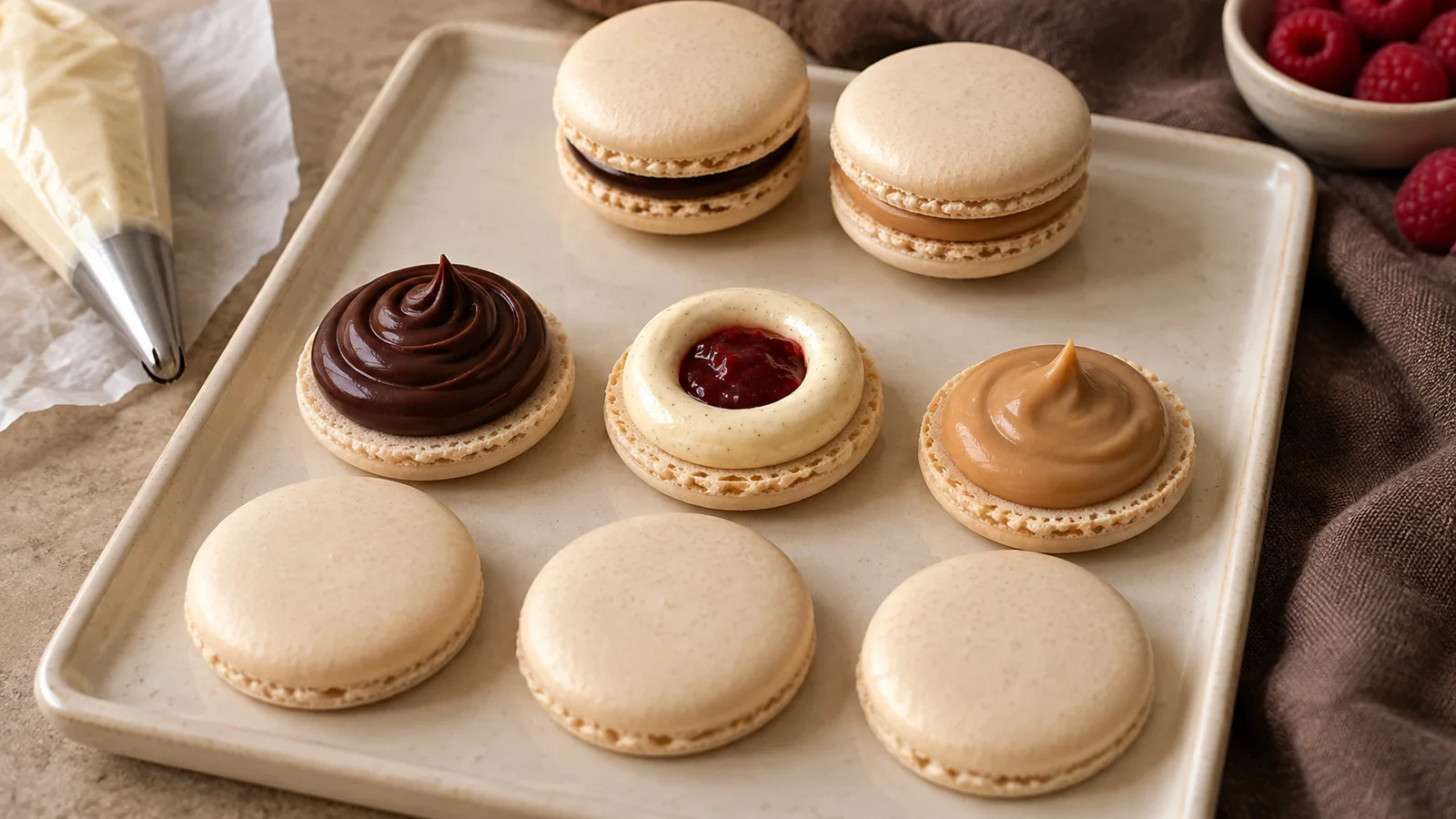
Start with the texture you need
The best flavour idea still needs a filling that behaves well. A very loose cream can escape when the top shell is added. A very hard filling can resist the bite and push against a fragile shell. Aim for a filling that is workable during piping and pleasant at the intended serving stage.
Read the complete filling method before baking shells. Some fillings need time to cool or stabilise, so making them last can leave you waiting with a tray of ready shells. Prepare the components in an order that brings them together at the right stage. Do not judge a freshly made warm ganache as if it were already ready to pipe.
Ganache: match the formulation to the job
Ganache is a versatile macaron filling because chocolate can support a smooth, pipeable texture while carrying fruit, nut or other flavours. That flexibility does not make every ganache suitable. A glaze, a whipped cake filling and a macaron filling are formulated for different outcomes. Use a recipe intended for the texture you need.
The chocolate matters too. Switching between dark, milk and white chocolate changes the balance of the mixture, and even two chocolates of the same broad type can handle differently. Follow the selected recipe’s chocolate specification where given. If the mixture looks oily or uneven, address the emulsion before judging how much filling to pipe.
Diagnose an oily or split ganache before using it between macaron shells.
Fruit and caramel centres need containment
A fruit gel, curd or caramel can provide a clear flavour contrast, but its consistency has to suit the sandwich. A soft centre may work inside a ring of a firmer filling that supports the top shell and limits immediate leakage. Leave enough space for the centre rather than piling it above the ring.
The ring is a structural aid, not a moisture barrier. Over time, a wet centre can still affect the shell. Test the whole combination under its intended storage conditions. A spoonful that looks attractive immediately after assembly does not establish how the macaron will behave later. Choose a centre designed for this use rather than thickening an unrelated sauce by guesswork.
Compare gelling agents before changing the texture of a fruit centre.
Balance sweetness with a clear flavour
The shell already contributes sweetness and an almond character. Choose a filling that adds a recognisable direction: the depth of chocolate, the acidity of fruit, the aroma of a nut paste or a complementary spice. Begin with one main flavour and, if needed, one contrast. A long list of additions can make both taste and texture difficult to control.
Taste the filling with a shell, not only from a spoon. A centre that seems intense on its own may be well balanced in the finished sandwich. Conversely, a mild cream may disappear behind the shell. Keep flavour trials small, and account for any extra liquid or fat that an added paste, puree or extract brings into the recipe.
Test piping and assembly on a few pairs
Pair shells of similar size and place the flat sides facing up. Pipe a consistent amount of filling onto one half, leaving room for it to spread when the partner is added. Press the shells together gently and evenly. If the filling immediately runs beyond the edge, stop and review its working consistency before assembling the whole tray.
Use completely cooled shells. Warm shells can change the texture of the filling and complicate your test. Notice whether the filling holds a clean edge, whether the top slides and how much pressure assembly requires. Too much force can break a shell even when the filling itself tastes excellent. Adjust the process on a few pairs before scaling up.
Assess the finished macaron, then plan storage
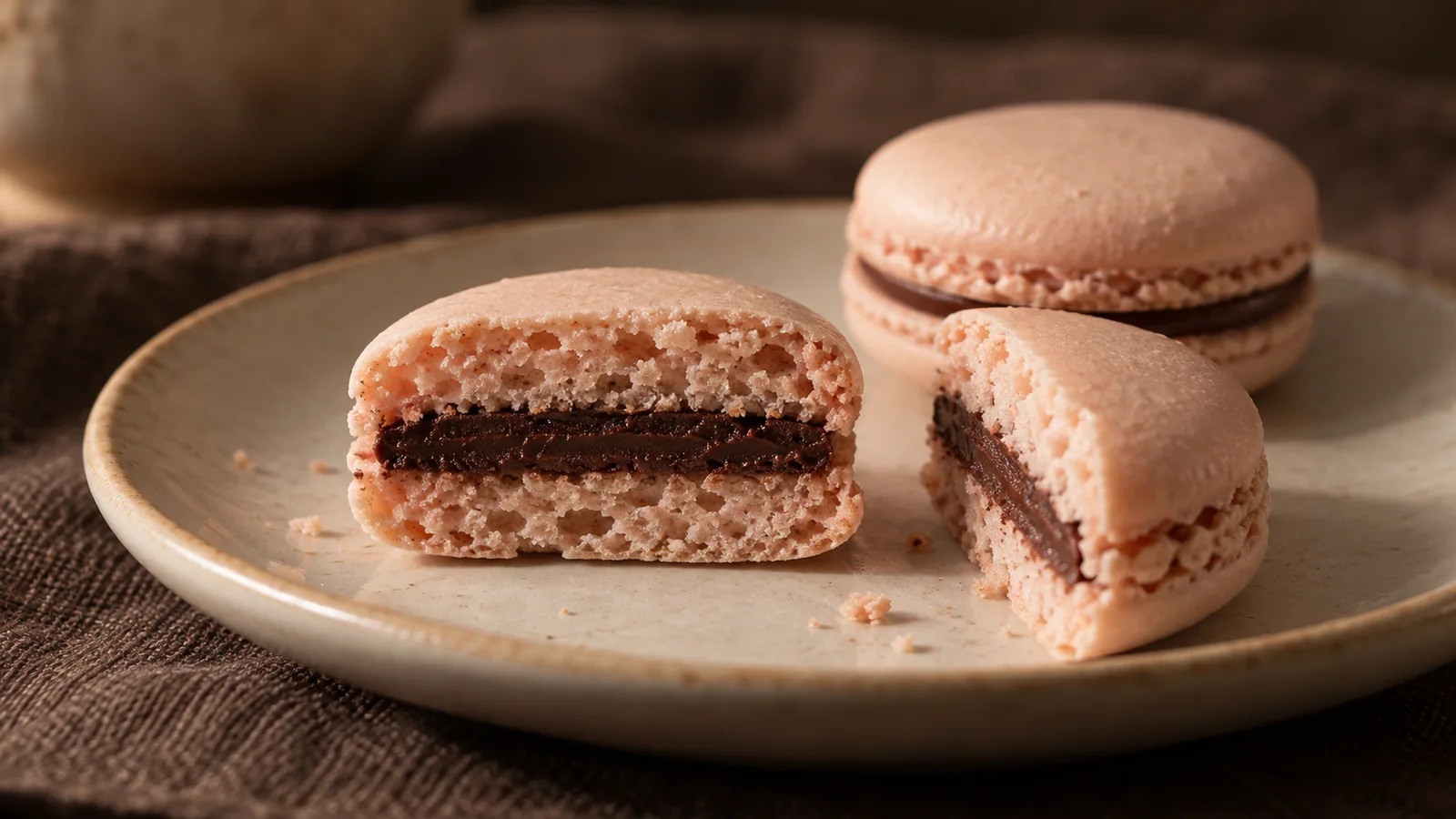
Evaluate the filled macarons after the maturation stage required by their recipe. You are looking for a cohesive bite, a shell that remains intact and a filling that does not squeeze out excessively. Check more than one piece so an unusually thin shell does not determine your conclusion.
Storage and serving instructions must suit the complete filling, including dairy, egg and fruit ingredients. Do not infer shelf life from the appearance of the shells or assume that all ganaches can be handled identically. If you change the formulation, repeat the texture test and reassess the storage plan. Record the successful combination so the next batch uses the same components and assembly method.
Check shell structure separately when the filled macaron feels fragile or empty.
Common questions
Can I fill macarons with jam alone?
Only use a jam or fruit preparation whose texture works in your chosen recipe. A loose, wet jam may leak or soften shells too far. Test a small assembled sample; a firmer outer ring can support a centre but does not eliminate moisture movement.
Why is my ganache too hard to pipe?
Check whether it is at the working stage required by its recipe and whether you used the specified chocolate. A chilled filling may handle differently once prepared for piping. Do not add liquid at random, because that changes its eventual texture.
Keep exploring
All pastry guides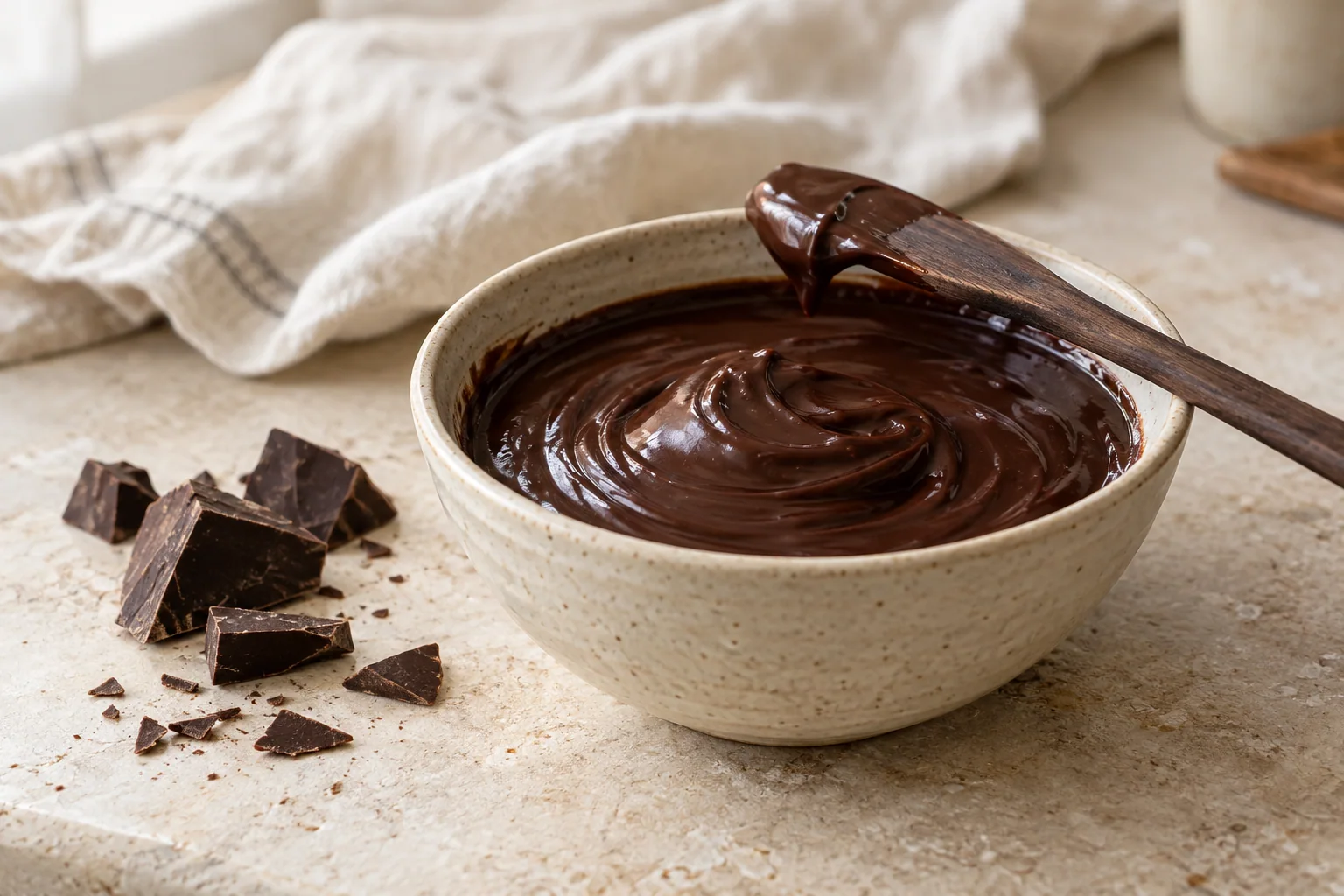
Why Did My Ganache Split?
Recognise a broken emulsion, check your batch and get a personal next-step plan.
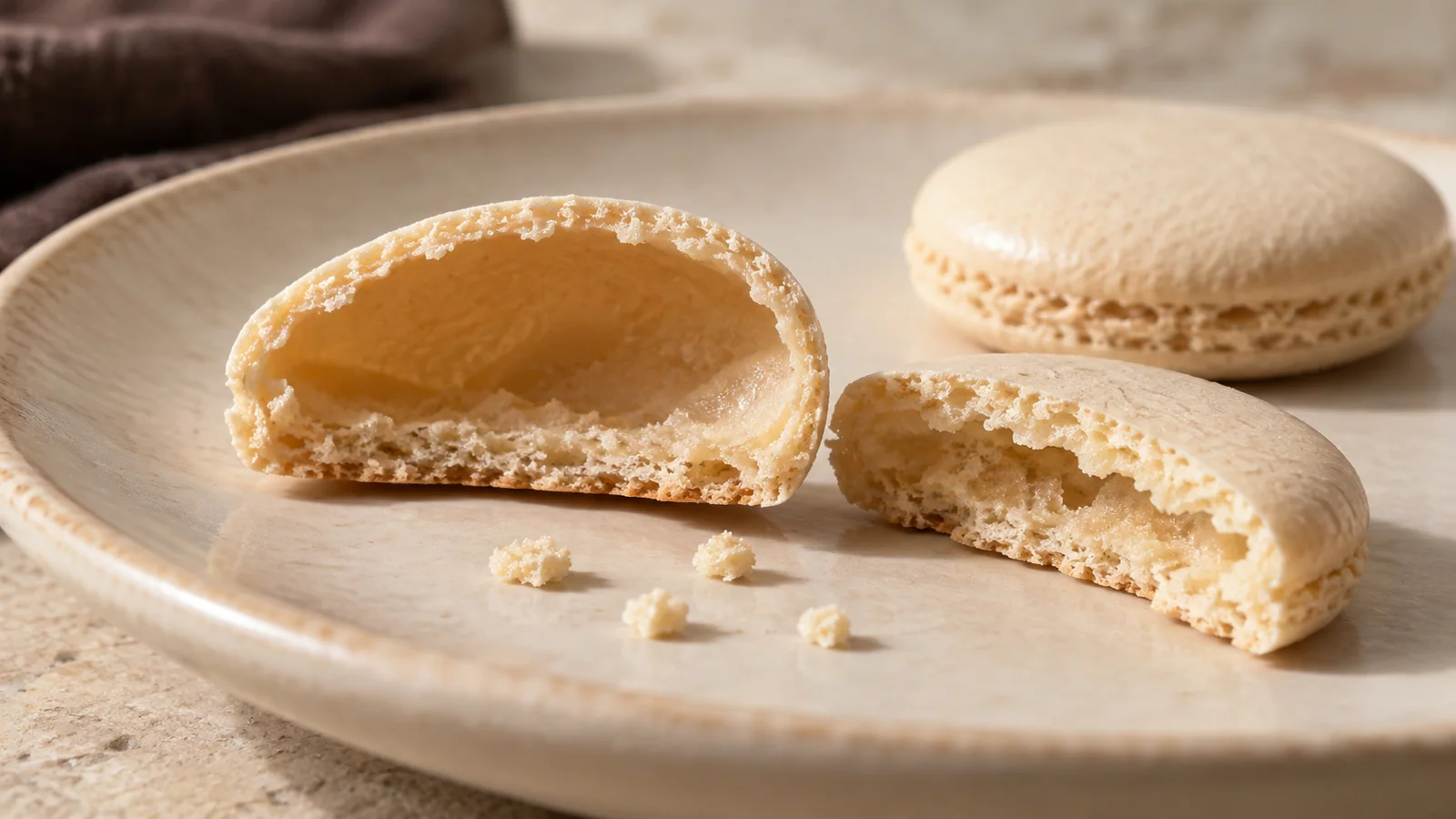
Why Are My Macarons Hollow?
A good-looking macaron can hide a large gap inside. Check cooled shells, meringue, macaronage and baking before trying to fix hollows with filling.
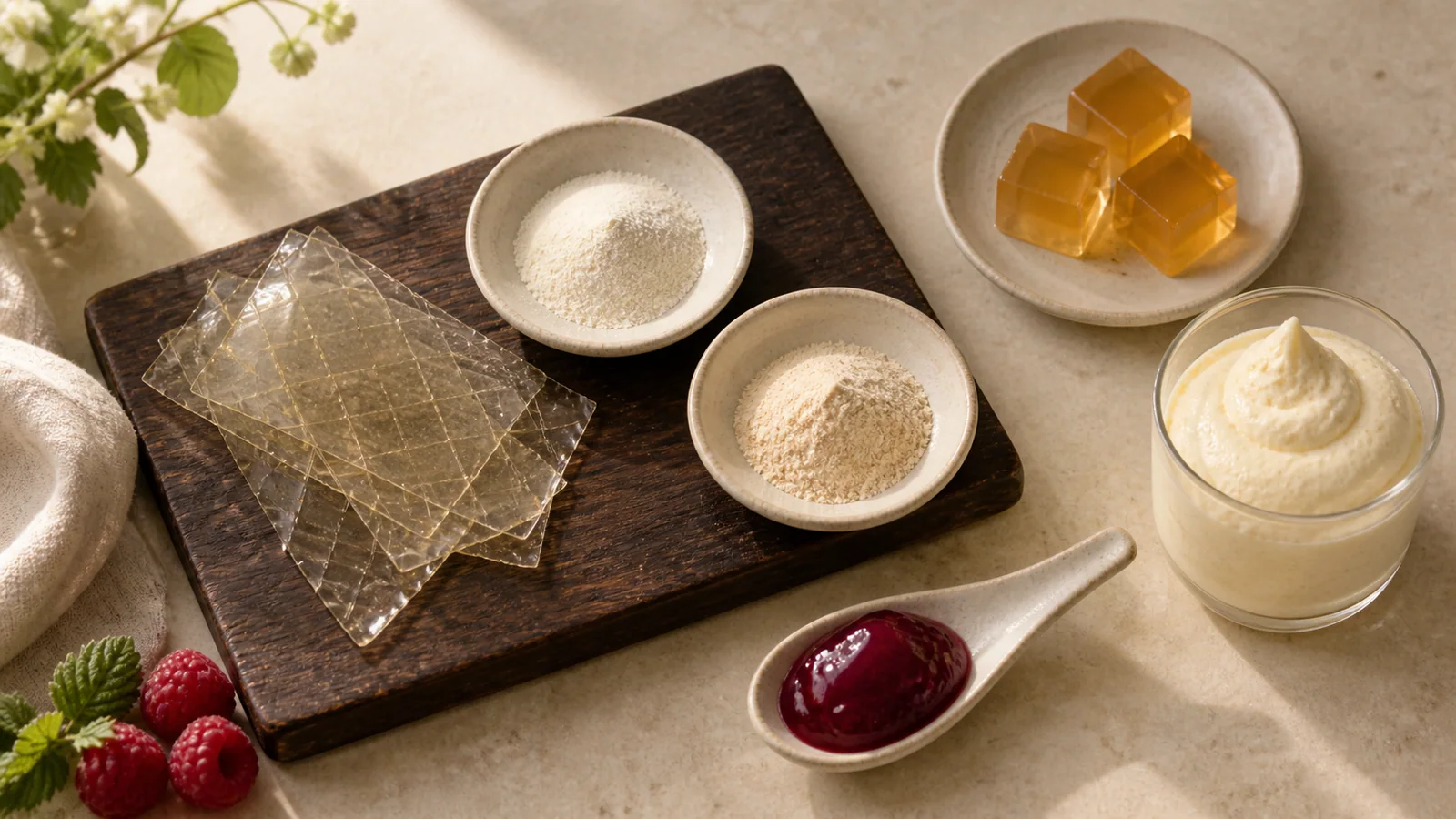
Gelatin, Agar and Pectin: Which One Does Your Dessert Need?
Gelatin, agar and pectin create different dessert textures. Compare their roles, preparation and substitution limits before changing a mousse or fruit filling.
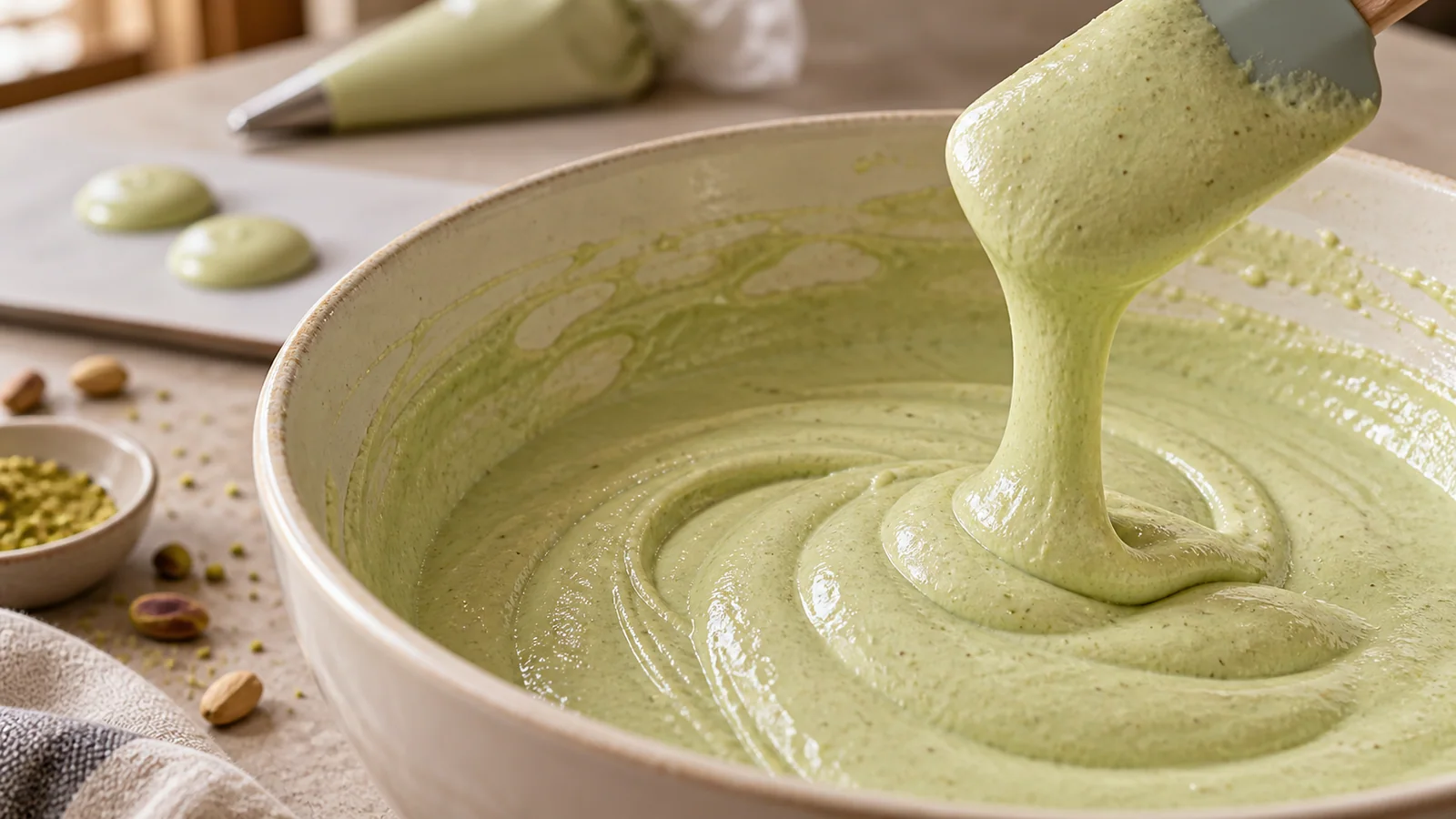
Macaron Batter Consistency: When to Stop Folding
Learn how macaron batter should flow and settle, how to recognise underfolding or overfolding, and why counting strokes cannot replace observation.