
Gelatin, Agar and Pectin: Which One Does Your Dessert Need?
Gelatin, agar and pectin are different gelling ingredients, not equal substitutes. Gelatin is animal-derived; agar and pectin come from plant or algal sources. Their setting behaviour, texture and preparation differ, and pectin itself comes in different types. Choose the ingredient named in a recipe or use a formula developed for your alternative.
Explore Mousse Cakes Made Simple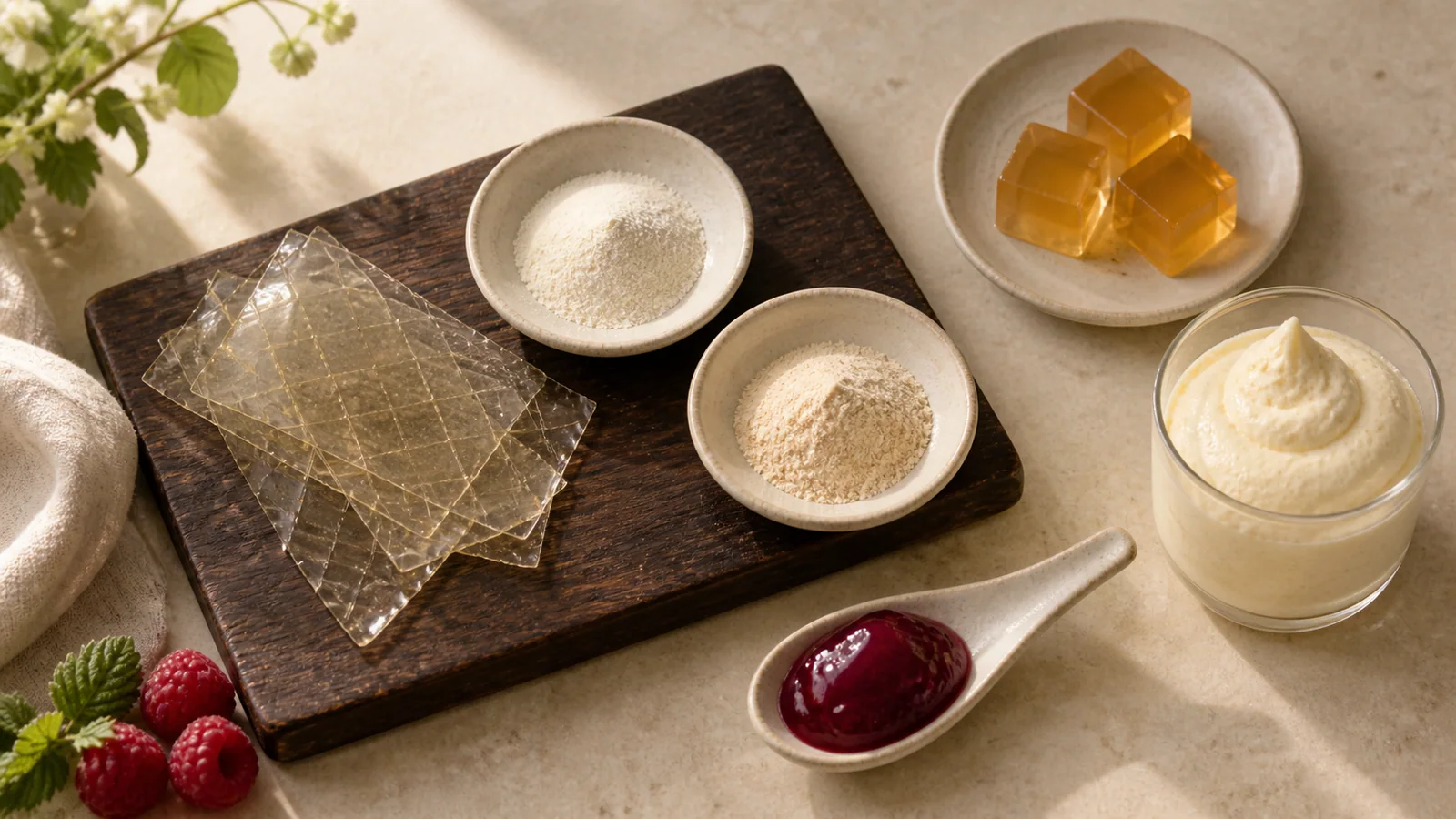
Choose the result before the powder
Start by describing the component you want: a softly set mousse, a fruit insert that cuts cleanly, a spreadable fruit filling or a firmer gel. The desired texture and the rest of the dessert help determine which ingredient is appropriate. The fact that three powders can thicken a liquid does not mean they create the same bite.
Think about the whole process too. Will the component be heated, chilled, frozen, thawed or folded into an aerated mixture? Will it need to stay smooth while you assemble several layers? Those requirements matter as much as whether it becomes firm in a small bowl. Choose the formulation before committing ingredients to the saucepan.
- Gelatin: a tender, elastic set for many chilled mousses and creamy desserts. Check the specified strength, form and hydration method.
- Agar: a generally firmer, less elastic set for a recipe designed around that texture. Check the dissolution, heating and assembly sequence.
- Pectin: a range of textures for fruit fillings and inserts. Check the functional type and the formula’s sugar, acidity and calcium requirements.
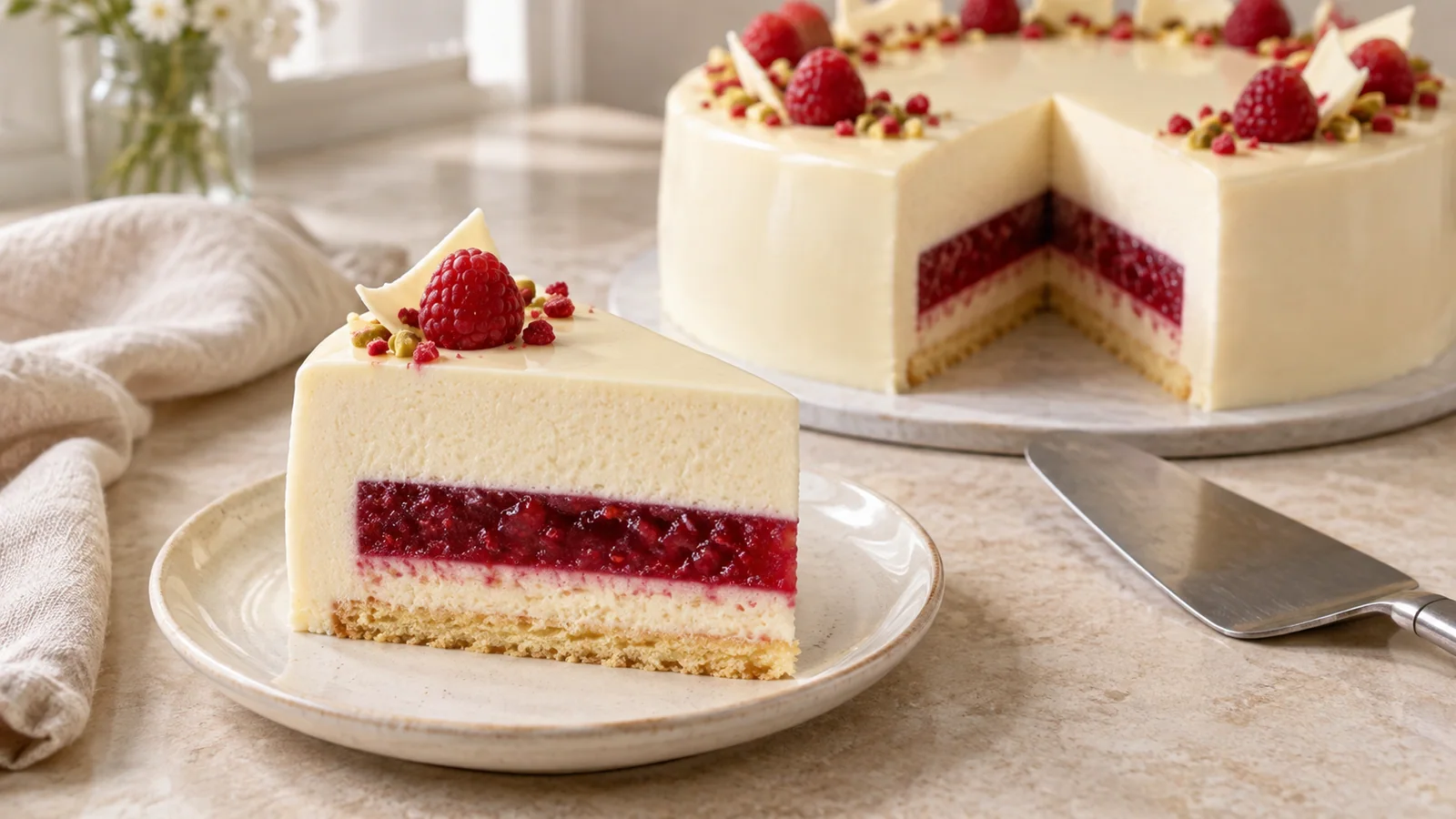
Gelatin: an elastic set for many chilled desserts
Gelatin is a protein derived from animal sources. It is used in many mousses, jellies and creamy dessert components because it can produce a tender, elastic set. The exact texture depends on its strength, amount and the mixture around it. Powder and sheets are forms of gelatin, but they still need to be matched to the recipe.
Standard gelatin is hydrated, dissolved and distributed through the base before the dessert chills. It does not require the same cooking process as agar. A gelatin dessert can soften as it warms, so consider how it will be stored and served. It is also unsuitable where an animal-free ingredient is required; changing that requirement means choosing an appropriate alternative recipe.
Check hydration and mixing when a gelatin dessert stays loose.
Agar: a different set and working sequence
Agar is derived from algae and is used in a variety of gels and confectionery. Its texture is generally firmer and more brittle than a comparable soft gelatin gel, though the actual formulation changes the result. It also sets and melts differently, which affects both preparation and the eating experience.
Follow the agar product and recipe instructions for complete dissolution and heating. Prepare moulds and other ingredients before the mixture reaches the stage where it begins setting, because you may have less working time than with a gelatin-based component. Do not copy a sugar-syrup cooking temperature from an unrelated confection and treat it as the universal activation temperature of agar.
Pectin: read the type, not only the name
Pectin is obtained from plant material and is widely used in fruit preparations and other dessert components. Different pectin products are designed for different conditions. The label may identify a particular type or application, and those distinctions can be essential to how the recipe works.
High-methoxyl (HM) pectins generally rely on sugar and acidity, while low-methoxyl (LM) pectins gel with calcium. Apple or citrus describes the source, so it does not by itself identify those working conditions.
Do not assume that anything labelled apple, citrus, NH or dairy pectin is interchangeable by weight. The formula may depend on the product’s behaviour with sugar, acidity or calcium, and commercial products can contain additional ingredients. Use the type specified and follow its mixing and heating sequence. If it is unavailable, choose a recipe made for the pectin you can obtain rather than changing only the name on your ingredient list.
Consider the complete macaron when choosing the texture of a fruit centre.
Why a substitution needs more than a conversion
A conversion might make a mixture set, yet still leave you with the wrong texture. Replacing gelatin with agar can change the bite and the stage at which the mixture becomes difficult to handle. Replacing a specified pectin can change how a fruit preparation responds to its other ingredients. A single exchange factor cannot describe all of those changes.
If a dietary requirement or ingredient shortage forces a change, start with a complete alternative formula for the same component. Make a small trial and evaluate it through the full process, including any freezing and thawing. Judge texture, release, slicing and moisture behaviour. A successful warm mixture or freshly chilled spoonful is only one part of that test.
Why one recipe may use more than one
Some formulations combine gelling ingredients to achieve a particular texture or manage moisture. Their roles can complement one another, so removing one because the other already thickens the mixture can change the result. The combination belongs to that formula; it is not a general recommendation to add a little of everything.
Keep a clear record of the product name, type and amount used in each trial, along with the mixing sequence. Also distinguish a gel that can be remelted from one that tolerates freezing and thawing well. Those are different properties. When you plan a mousse cake, evaluate the insert and mousse after the same handling stages the completed dessert will experience.
Plan the freeze-and-thaw sequence before choosing a mousse-cake insert.
Common questions
Can I replace gelatin with agar in a mousse?
Use a mousse recipe formulated for agar or another suitable alternative. A direct swap can change the set, mouthfeel and timing of assembly. The right choice must also work with the whipped components and any freezing stage.
Does thermoreversible mean freezer-safe?
No. A gel’s ability to melt and set again describes a different behaviour from how it handles freezing and thawing. Evaluate the finished formulation through its actual process instead of treating those terms as equivalent.
Keep exploring
All pastry guides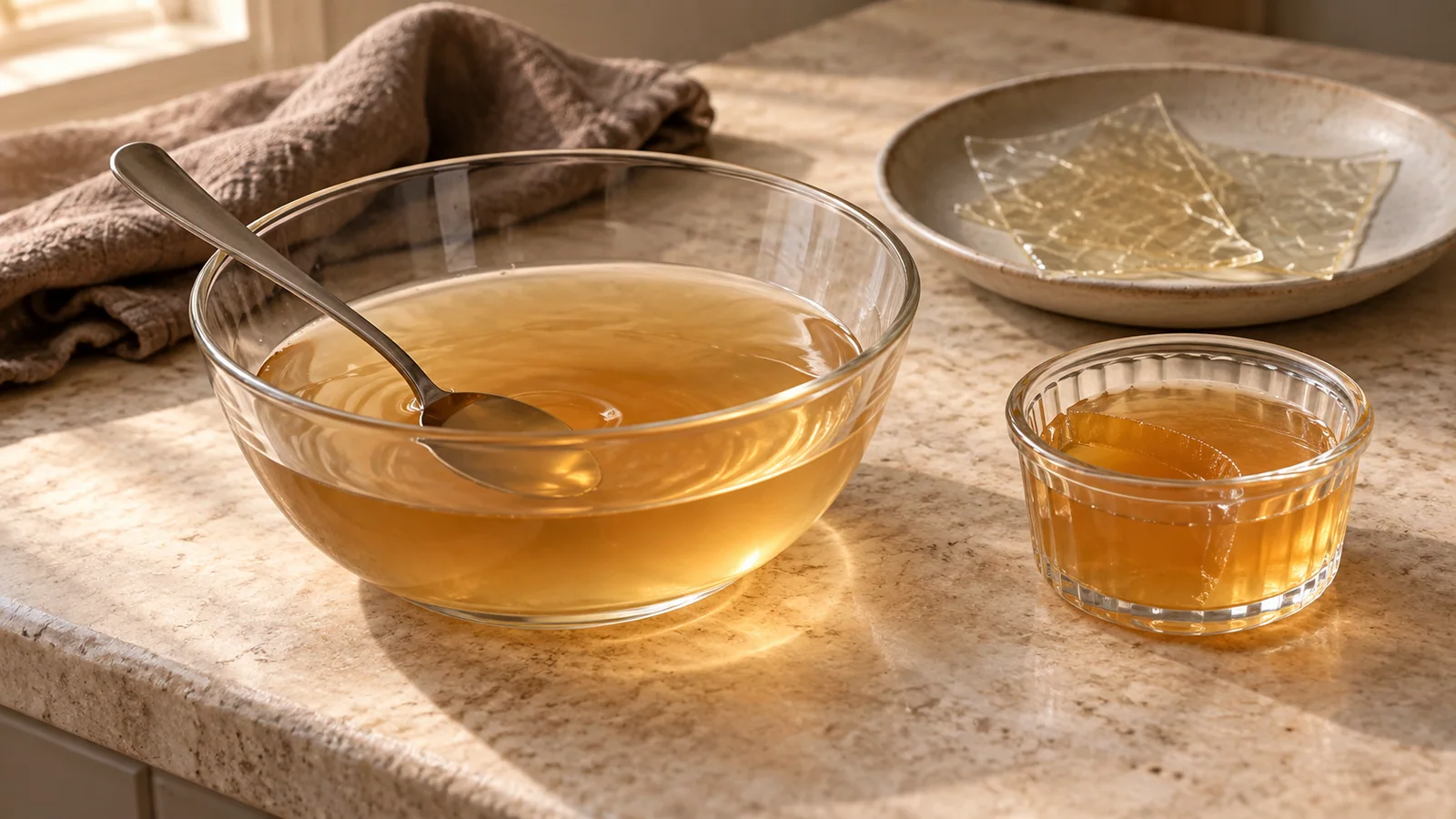
Why Is My Gelatin Not Setting?
Gelatin still liquid, lumpy or weak? Check hydration, dissolution, strength, ingredients and chilling before changing the amount in your dessert.
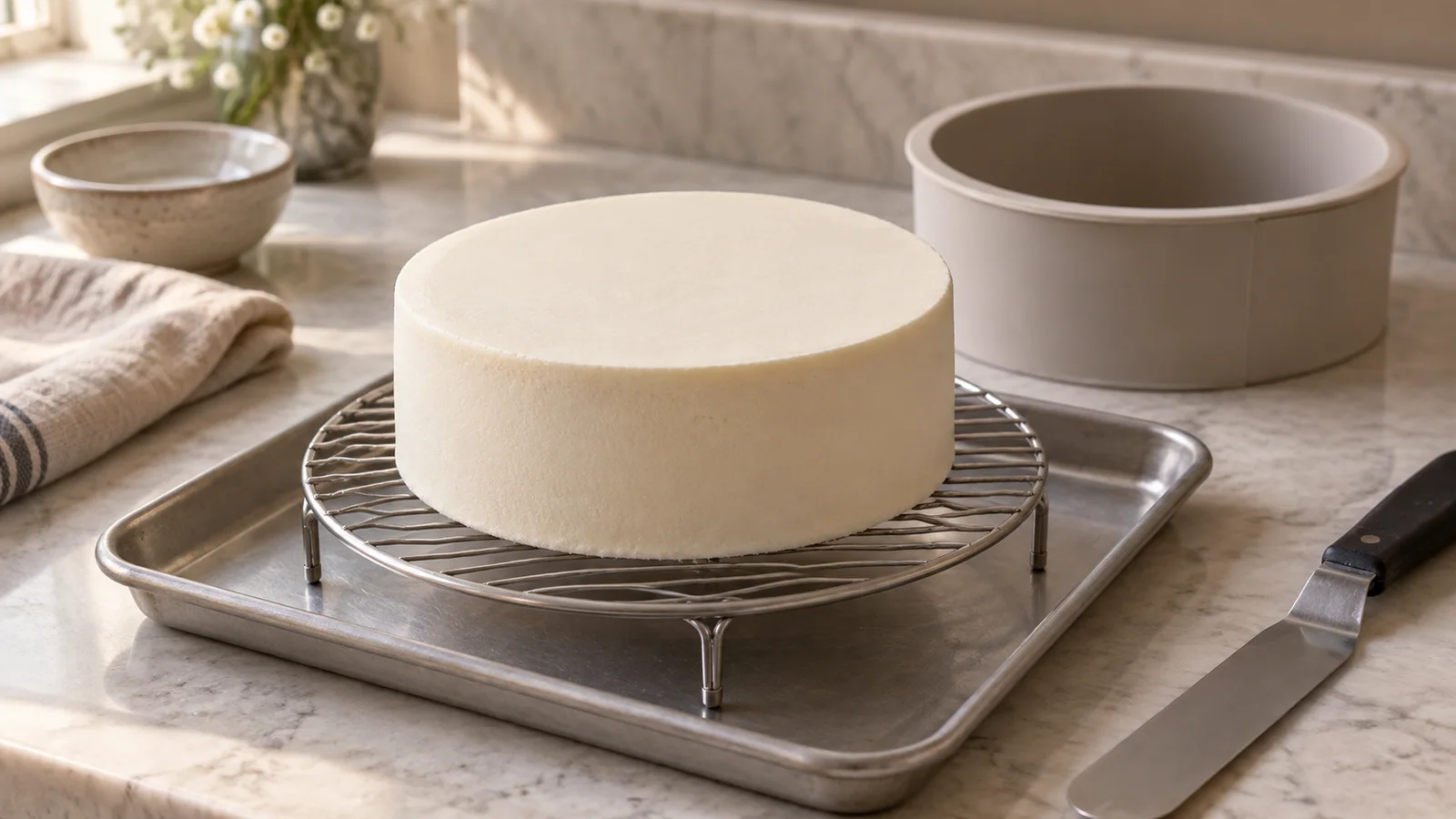
Freezing a Mousse Cake Before Glazing: What to Check
Plan the freezing stage for a moulded mousse cake, check release and surface condition, and coordinate glazing with a controlled refrigerator thaw.
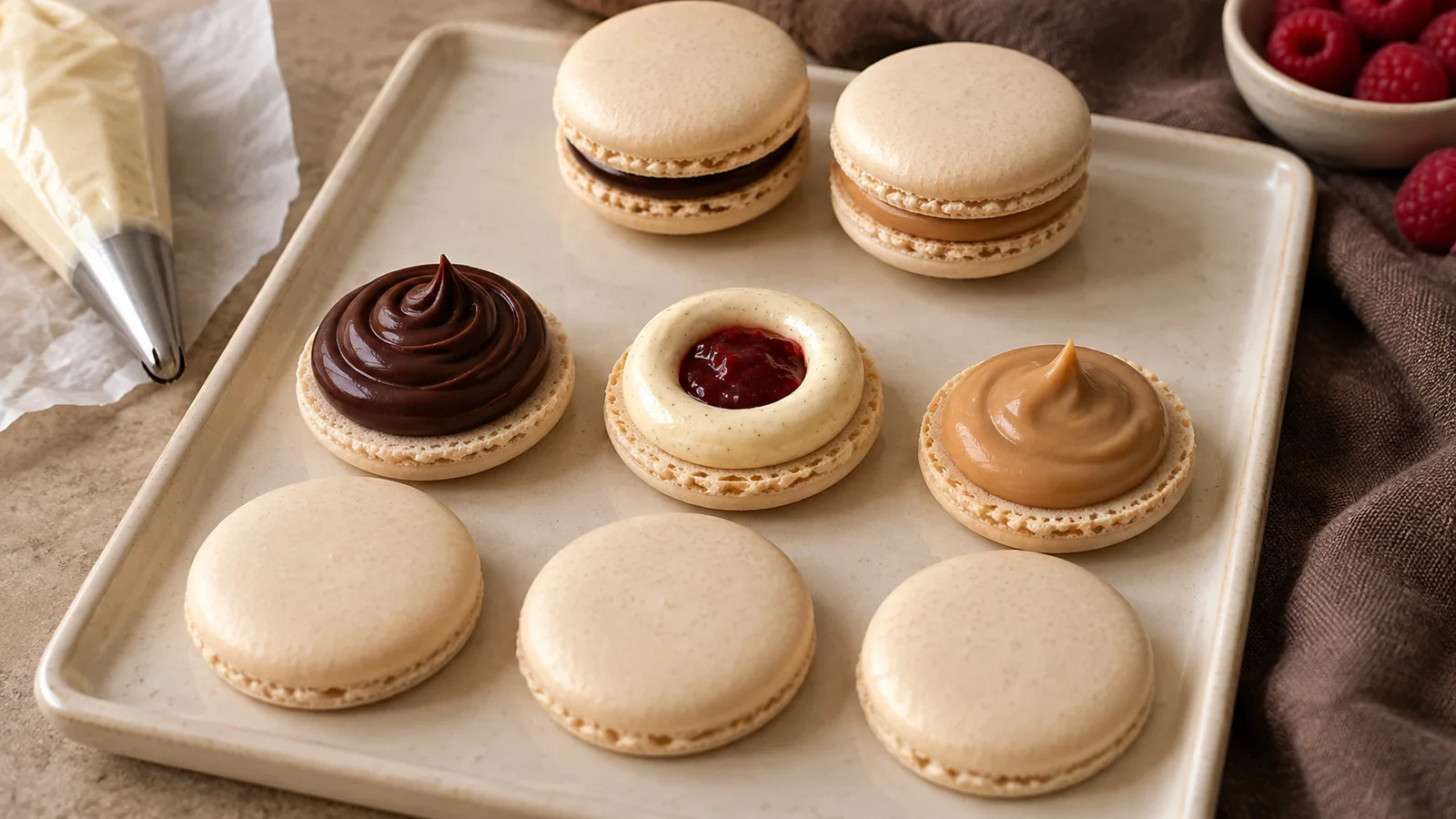
How to Choose a Macaron Filling That Holds Its Shape
Choose a macaron filling for texture as well as flavour. Compare ganache, fruit centres and creams, then test piping, moisture and the finished bite.
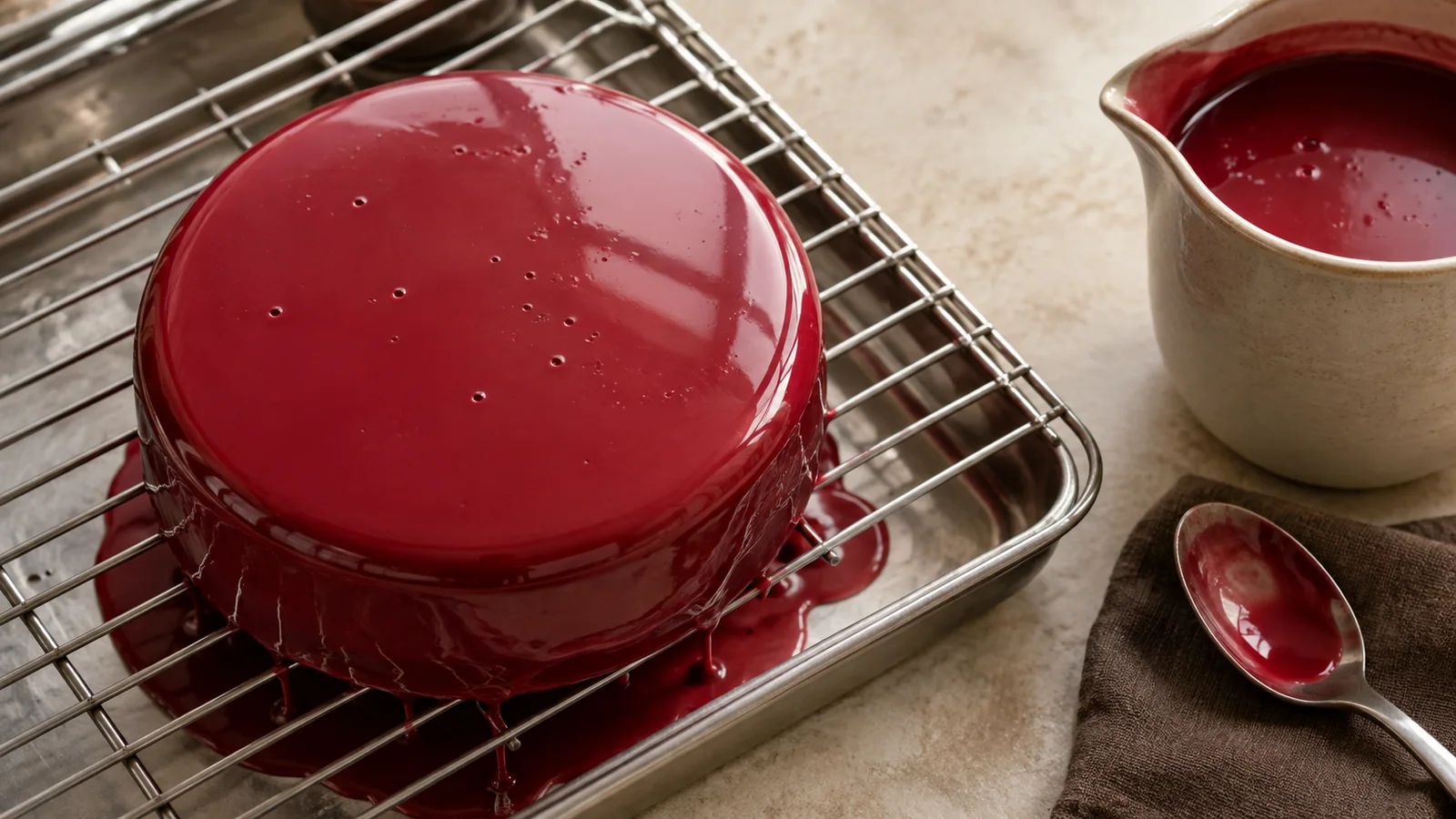
Mirror Glaze Bubbles and Thickness: A Practical Troubleshooting Guide
Mirror glaze full of bubbles, too thick or sliding off? Check blending, recipe-specific working conditions and the frozen cake before pouring.