
Cakes & pastry
Namelaka: Silky Chocolate Cream and a Coffee Recipe
Namelaka is a smooth chocolate cream made with milk, cream and gelatin; many formulas also use glucose. Build a good chocolate emulsion, add the cold cream and allow the mixture to set overnight. The coffee version below uses 220 g milk chocolate, 125 g milk, 250 g cream, 10 g glucose, 3 g powdered gelatin and 30 g hydration water.
8 min read
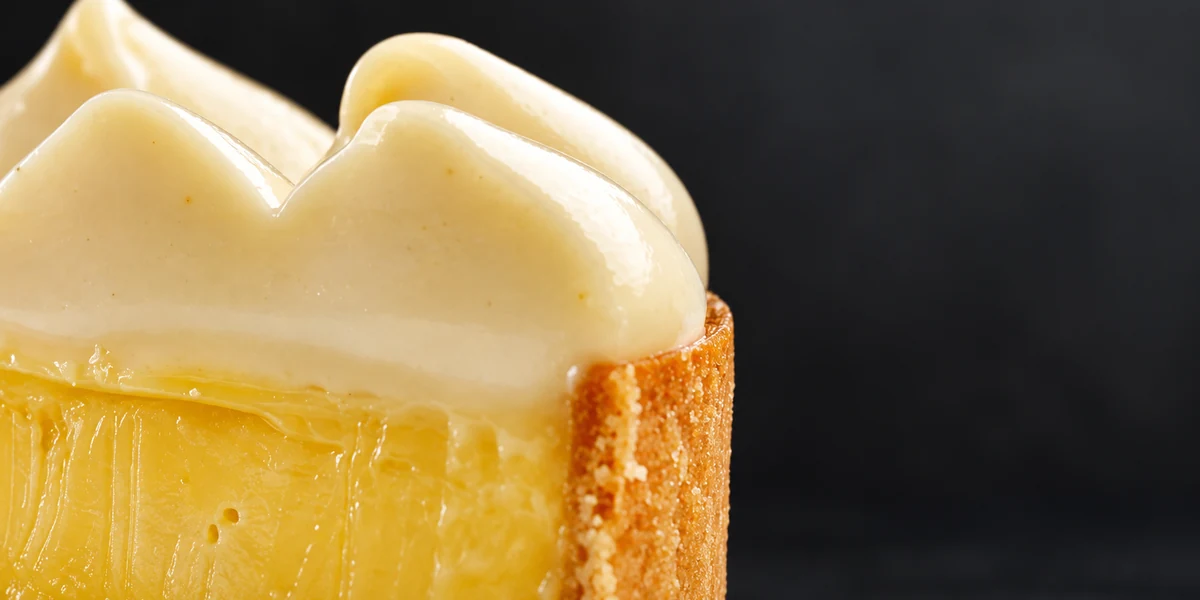
A soft cream with a silky finish
Namelaka combines chocolate, dairy and a small amount of gelatin in a cream that becomes smooth and softly set after chilling. Its name is associated with a smooth, creamy texture, and that is the useful point to remember when deciding how to use it.
It can look similar to ganache because both begin with chocolate and liquid. The intended texture is different: namelaka is usually much softer and creamier than a firm chocolate coating or a ganache designed to hold a heavy cake together.
The recipe balance matters more than the name. A milk-chocolate namelaka, a dark-chocolate ganache and a whipped white-chocolate filling cannot all use the same liquid ratio. Start with a complete formula, then judge it in the dessert it was designed for.
Where namelaka works well
Use namelaka where a creamy spoonful or soft piped texture is welcome: a tart filling, an éclair centre, a small dessert cup or a component in a layered dessert. A chilled portion can be piped or shaped, depending on its formula and how long it has set.
It is not the first choice for coating and sharply smoothing a tall cake. A cream can hold a piped shape when cold yet still be too soft to support the outside of a large dessert during assembly or serving.
Think about the surrounding components as well. A crisp shell gradually absorbs moisture from a dairy filling. A sponge may need only a restrained amount of syrup beside a creamy layer. A mousse cake requires the entire frozen-and-thawed assembly to be considered, not just the namelaka on its own.
Plan for the infusion and the overnight rest
This coffee version has two waiting stages. First, cold-infuse the cream with lightly crushed coffee beans for at least six hours in the refrigerator. Then make the chocolate cream and leave it to set for at least twelve hours, preferably overnight. It is a make-ahead component, not a filling to whip straight after mixing.
Use milk chocolate around 40% cocoa, whole milk and dairy cream with at least 33% fat. Chocolate brands differ in fat and sugar, so a similar cocoa percentage is a useful starting point rather than a guarantee of an identical set.
The powder-gelatin version below retains 30 g water for hydrating 3 g gelatin. That water is part of the recipe. Gelatin strengths differ, and an exact sheet conversion cannot be inferred from the powder weight alone. Follow the product's hydration instructions and check a small batch before using it for a demanding piped shape.
Coffee beans absorb and retain some cream. Strain the infusion, then weigh 250 g cream for the recipe, topping up with fresh cream if needed. This avoids an accidentally smaller dairy quantity after straining.
Coffee and milk-chocolate namelaka
Use a tall jug for the immersion blender and keep its head submerged to limit bubbles. The aim is an even emulsion, not a foam full of air.
Prepare the gelatin and chocolate before heating the milk. Once the hot liquid is ready, you should be able to combine everything steadily without leaving the pan over the heat.
Coffee milk-chocolate namelaka
Ingredients
- 220 g milk chocolate, approximately 40% cocoa
- 125 g whole milk
- 250 g dairy cream, at least 33% fat, weighed after infusion and straining
- 15 g coffee beans, lightly crushed
- 10 g glucose syrup
- 3 g powdered gelatin
- 30 g cold water for hydrating the gelatin
Method
- Combine the coffee beans and cream, cover and refrigerate for at least 6 hours. Strain out the beans and weigh 250 g infused cream, adding fresh cream if necessary. Keep cold.
- Sprinkle the gelatin over the 30 g cold water and leave it to hydrate according to the product instructions.
- Gently melt the milk chocolate in short bursts, stirring between them, or over a warm water bath. Keep water and steam out of the chocolate.
- Heat the milk until nearly boiling, then remove it from the heat. Stir in the glucose and hydrated gelatin until fully dissolved.
- Add the milk mixture to the chocolate in several additions, stirring from the centre after each addition until the mixture becomes glossy and even.
- Add the cold infused cream. Blend with the immersion-blender head submerged until the mixture is smooth, avoiding unnecessary air.
- Transfer to a clean container, cover the surface and refrigerate for at least 12 hours, preferably overnight.
- Use the cold, set cream as it is for a silky filling. For a lighter whipped version, whisk it briefly while cold and stop as soon as it reaches the texture you need.
Do not omit the 30 g hydration water from this powder-gelatin version.
The gelatin Bloom strength is not specified for this formula. Different products may give a different set; check the actual texture before relying on it for decoration.
Coffee beans are strained out and are not part of the finished cream.
Why the mixing order matters
At first, the chocolate and the first addition of milk may look thick or uneven. Continue mixing gently and add the remaining liquid in stages. You are distributing the liquid through the chocolate, so a smooth centre that gradually expands is more useful than hurried stirring around the outside.
The cold cream is added after that first emulsion has formed. Blending helps make the mixture uniform. Keep the blender low enough that it is working through the cream rather than pulling air from the surface.
If you see oily droplets or obvious separation, stop and check the mixing and temperature before adding unrelated ingredients. More gelatin will not repair a broken emulsion. A smooth liquid mixture is the goal before it goes into the refrigerator.
Let it set before deciding it is too loose
Freshly mixed namelaka is fluid. The chocolate and gelatin need time in the refrigerator to develop the finished texture. A quick chill at the edges of a deep container is not the same as an even overnight set.
Check it when the whole mixture is cold. It should be smooth and cohesive, with a creamy rather than rubbery feel. If it is still unusually loose, review the weights, chocolate type, gelatin product and chilling time before changing the formula.
Whipping is a texture choice, not the definition of namelaka. The unwhipped cream has a silky, close texture. Brief whipping can make this coffee version lighter, but prolonged whipping may make it grainy or separate it. Start slowly, watch the cream and stop when it is ready for its intended use.
Do not force an already overworked cream through a piping bag and hope that a small nozzle will smooth it. Test a small portion first; the appearance and mouthfeel should both suit the dessert.
Change flavour without losing the balance
Infusing the cream is a controlled way to explore a new aroma while keeping the basic dairy structure. Coffee, vanilla or another suitable infusion can give a clear direction, provided solids are strained out and the cream is weighed afterwards.
Replacing milk with fruit purée is a bigger reformulation. Purée introduces different acidity, water and solids. Changing milk chocolate to white or dark chocolate also changes the set. Those changes deserve a recipe designed for them rather than a gram-for-gram promise.
Glucose is a measured part of this formula. Omitting it, adding nut paste or stirring in a large amount of fruit powder may still produce a cream, but it will no longer have exactly the same balance. Make one deliberate change at a time and evaluate the cold result.
Keep the finished cream cold
Store namelaka covered in the refrigerator, and use clean tools when portioning or piping it. Take out only what you need for assembly. Gelatin gives structure; it does not turn dairy cream into a filling for long warm display.
For an éclair, pipe into a cooled shell. For a dessert cup, balance the rich cream with sponge, a crisp element or a small amount of fruit. If you layer it with a sharply flavoured curd, keep the portions restrained so the coffee and chocolate remain clear.
Plan the quantity around the dessert you are making. If freezing is part of your process, evaluate this exact formula after thawing rather than assuming every namelaka behaves alike. The chocolate, gelatin and amount of incorporated air all influence the result.
Common questions
Is namelaka just ganache?
They share a chocolate emulsion, but namelaka uses a different balance of milk, cream and gelatin for a softer, silky texture. A ganache ratio cannot simply be carried across.
Must I whip namelaka?
No. It can be used as a smooth, unwhipped cream. Brief whipping gives this version a lighter texture after it has fully chilled.
Can I leave out the gelatin?
That changes the structure of this recipe. Use a separate formula designed without gelatin instead of simply removing it.
Can I use white chocolate instead?
Use a white-chocolate namelaka formula. Milk, dark and white chocolate need different balances to achieve the same texture.
Why is it liquid just after mixing?
It still needs its refrigerated setting time. Check the mixture after the whole batch has chilled overnight.