
Cakes & pastry
Cake Soaking Syrup: Six Recipes and How to Use Them
Cake soaking syrup adds moisture and flavour to sponge layers. Start with 100 g sugar and 100 g water for a plain syrup, heat until the sugar dissolves, then cool. Apply it gradually to cut, cooled cake layers. A rich or already-moist cake may need little or no syrup.
6 min read
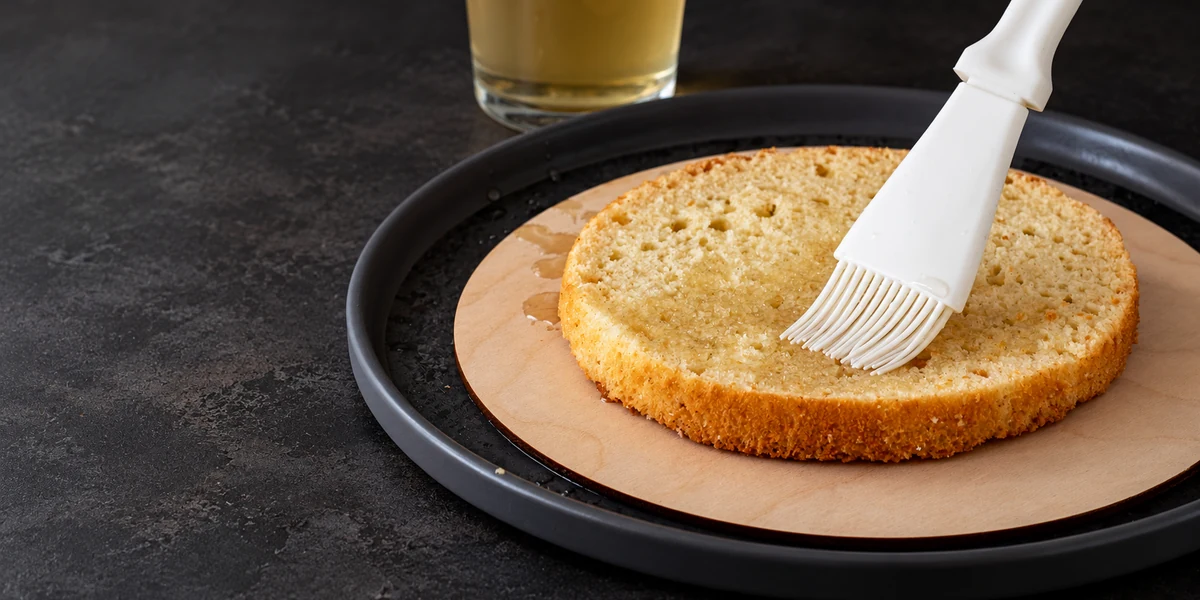
Does your cake need soaking syrup?
A lean egg, sugar and flour sponge often benefits from a little syrup. It softens the crumb and lets you add another flavour without changing the baked recipe. A dry cake layer and a naturally moist cake do not need the same treatment.
Oil-rich chiffon, fruit cakes, honey layers and other moist recipes may need very little or none. Judge the actual crumb and the moisture the filling will add. There is no requirement to soak every cake just because it will be layered.
Store-bought layers need the same judgement. A thick, dry layer may take some syrup, while a thin one can quickly become too fragile to handle. Begin cautiously and assess the result before adding more.
Choose a flavour for the whole dessert
Plain sugar syrup is a flexible starting point. Fruit and berry syrups add flavour and colour, while dairy syrups give a softer milk note. Coffee, tea, citrus peel and whole spices provide other directions.
Consider the sponge and filling together. Cherry or citrus can brighten chocolate; coffee suits chocolate and caramel; a plain or milk syrup can support a delicate cream. These are starting combinations, not rules that every fruit or cream must follow.
Infuse whole spices or strips of citrus peel when you want to remove them cleanly. Finely ground spices can leave particles in the syrup. Strain fruit syrups if you want even moisture without fruit pieces on the cake surface.
| Syrup family | Useful for | Watch for |
|---|---|---|
| Plain sugar | A neutral base for many sponge layers | Extra sweetness |
| Berry or fruit | Adding fruit flavour to cream or chocolate cakes | Colouring a pale crumb |
| Milk or condensed milk | A gentle dairy flavour | Refrigeration and the rest of the filling |
| Coffee or tea | A distinct flavour accent | Strength and bitterness |
| Alcohol-based | An adult dessert with the intended spirit flavour | Alcohol remains; choose a different syrup when avoiding it |
1. Plain sugar syrup
Plain cake syrup
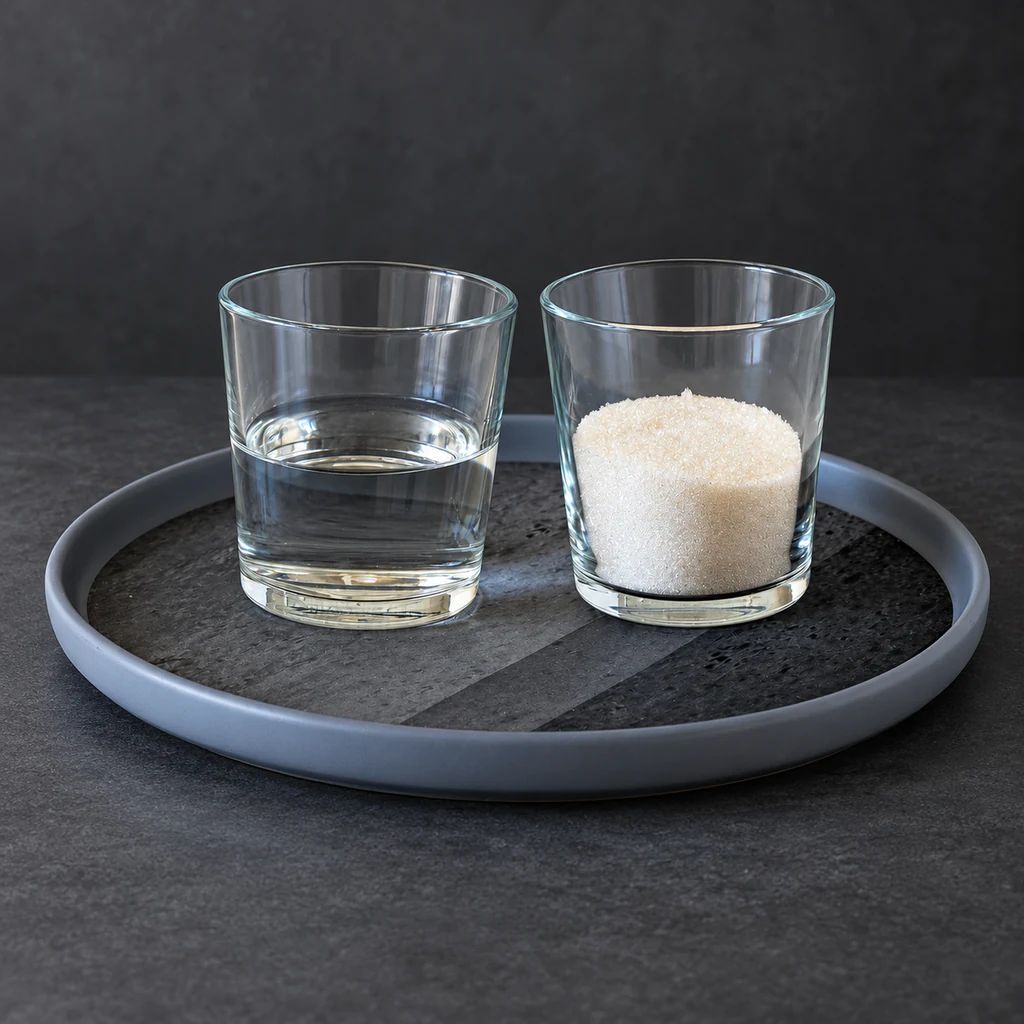
Ingredients
- 100 g sugar
- 100 g water
Method
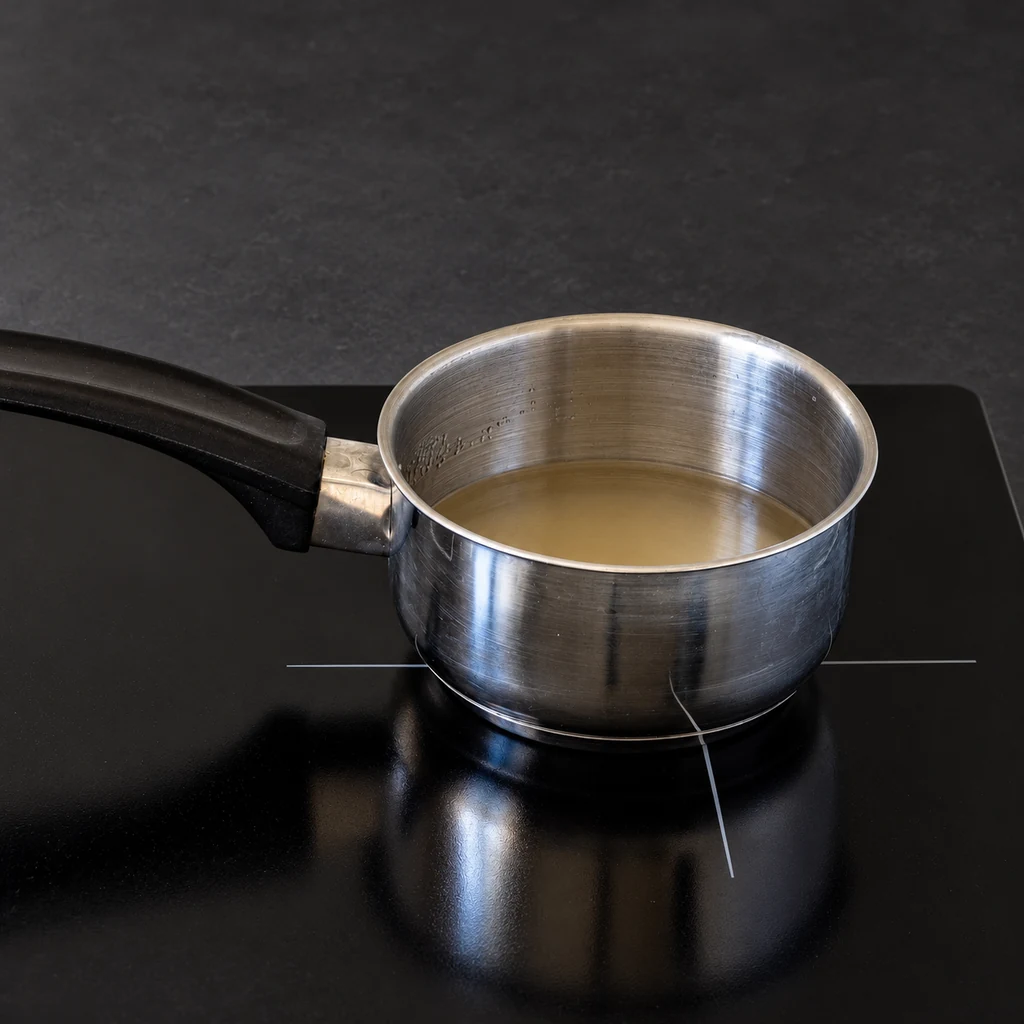
- Combine the sugar and water in a small saucepan.
- Bring to a boil while ensuring the sugar dissolves. There is no need to reduce it to a thick caramel-like syrup.
- Remove from the heat and let it cool before applying to the sponge.
This is a 1:1 ratio by weight. Changing the water-to-sugar balance changes both sweetness and moisture; assess the cake before adjusting it.
2. Strawberry syrup
Strawberry cake syrup
Ingredients
- 100 g strawberries, fresh or frozen
- 80 g sugar
- 100 g water
Method
- Wash and hull fresh berries. Frozen berries can go into the saucepan without thawing.
- Combine the berries, sugar and water. Bring to a boil, then remove from the heat.
- Allow the syrup to infuse as it cools. Strain through a sieve and gently press the berries to recover the juice.
- Use the cooled, strained syrup in small amounts on the cake.
This syrup may tint pale sponge. Other berries will change the acidity, colour and flavour rather than produce an identical result.
3. Brandy syrup
Brandy cake syrup
Ingredients
- 30 g brandy
- 60 g sugar
- 100 g water
Method
- Combine the sugar and water in a saucepan and heat until the sugar has dissolved.
- Remove the pan from the heat before adding the measured brandy. Keep the bottle away from heat and flames.
- Return the mixture to gentle heat for about 2 minutes, then remove it and cool before using. This brief heating does not make the syrup alcohol-free.
Use this only when an alcoholic syrup is appropriate. For an alcohol-free dessert, choose the plain, fruit, coffee or milk recipe rather than relying on boiling to remove the alcohol.
4. Coffee syrup
Coffee cake syrup
Ingredients
- 5 g instant coffee
- 50 g sugar
- 100 g milk or water
Method
- Combine the chosen liquid and sugar in a saucepan. For milk, use a pan that heats evenly and avoid scorching it.
- Bring to a boil, remove from the heat, then stir in the instant coffee until dissolved.
- Cool before applying. Taste its strength as part of the cake combination, rather than judging the syrup alone.
Using milk or water produces different flavours. Brewed espresso is another option, but its strength varies and it is not identical to this instant-coffee formula.
5. Milk syrup
Milk cake syrup
Ingredients
- 50 g sugar
- 100 g milk
Method
- Combine the milk and sugar in a heavy-based saucepan.
- Heat gently until the sugar dissolves, stirring to avoid scorching.
- Cool and strain if a skin has formed. Use it to moisten the cake gradually.
6. Condensed-milk syrup
Condensed-milk cake syrup
Ingredients
- 50 g sweetened condensed milk
- 130 g potable water
Method
- Measure the condensed milk and water into a clean bowl. If the water has been boiled, let it cool first.
- Stir until completely combined. This version does not require cooking.
- Apply sparingly to the cooled sponge and refrigerate the finished dairy dessert as appropriate.
When and how to soak cake layers
Cool the sponge before cutting it into layers. A rested, cooled sponge is generally easier to slice cleanly. If your recipe calls for resting it wrapped in the refrigerator for 6–8 hours, complete that step before cutting and soaking.
Put the bottom layer on its final cake board before wetting it. Use a pastry brush, spoon or a suitable squeeze bottle to distribute a small quantity across the cut surface. Avoid pouring most of the syrup into one area.
Work across the layer evenly and reassess before adding more. A brush makes it easier to add a thin amount; a fine spray can work for a smooth, fluid syrup. Repeat for the next layer as you assemble the cake.
For these ordinary layer-cake syrups, use the syrup cool. Recipes that deliberately soak a hot cake are a different method and should provide their own instructions.
How much syrup should you use?
There is no universal volume for every centimetre of cake. Sponge composition, layer thickness, baking, filling and the texture you want all affect the amount. Start with less than you think you need and check whether the surface remains structurally sound.
The bottom layer supports the rest of the cake, so avoid saturating it. A moist sponge may need only a light touch. Do not empty the remaining syrup onto the final layer simply to use it up.
You can usually add the cream immediately after applying the syrup. The assembled cake then needs the setting or resting time required by its recipe and filling. The syrup does not determine that time on its own.
Keeping leftover syrup
Make an amount suited to the job and handle it with clean utensils. Cool cooked syrups promptly and store them covered in the refrigerator when not using them.
A plain sugar-and-water syrup, a milk syrup and a fruit syrup do not have the same storage characteristics. Do not apply one shelf-life claim to all six recipes. Label what you made and follow appropriate food-storage guidance for the ingredients and the finished dessert.
Common questions
Should I soak both sides of a sponge layer?
Usually you can distribute syrup on the exposed cut surface during assembly. The aim is even moisture, not maximum absorption. Stop before the layer becomes fragile or soggy.
Does boiling brandy syrup make it alcohol-free?
No. Brief heating cannot be relied upon to remove all alcohol. Choose a non-alcoholic syrup when the dessert needs to avoid alcohol.
Can I keep every syrup for two weeks?
Do not use one storage period for all formulas. Milk, fruit and plain sugar syrups differ; handling and refrigeration also matter.