
How to Whip Cream for Mousse: Soft Peaks and Smooth Folding
For many mousse recipes, cream should be softly whipped so it folds into the base without leaving lumps. Use cream intended for whipping, keep it cold and slow down as it thickens. Follow your recipe’s peak stage: very stiff cream is not automatically better, and continued whipping can turn smooth cream grainy.
Explore Mousse Cakes Made Simple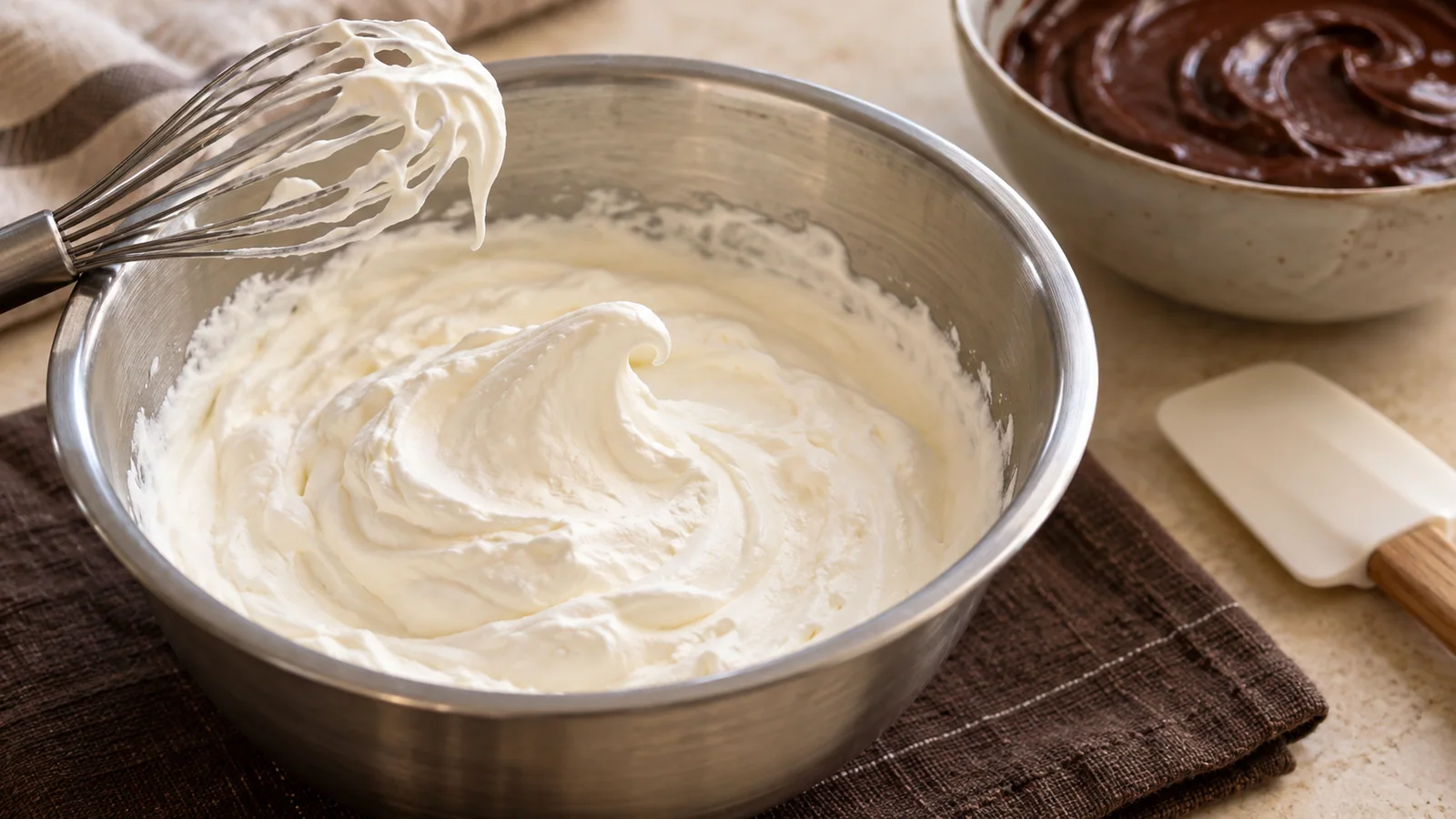
Choose cream designed to whip
Read the cream label and the mousse recipe before beginning. Cream sold for pouring or cooking may not behave like whipping cream. Fat content and formulation affect how it aerates, and products can vary between markets. Use the kind specified where possible instead of assuming every carton with the word cream will work.
Keep the recipe’s additions in their intended stages. Some mousses get their sweetness from the base, so there is no reason to add sugar to the cream just because a separate whipped-cream recipe does. Flavourings, stabilisers and substitutions can also change the mixture. Begin with a known cream and formula so you can learn the texture without extra variables.
Keep the cream cold and the setup ready
Chilled cream is easier to whip into the intended foam than cream that has warmed while you organise the kitchen. Keep it refrigerated until you need it. A cool bowl and whisk can help maintain the working conditions, especially in a warm room. The equipment should be clean and ready before the cream leaves the fridge.
Choose a bowl and batch size that suit the whisk. A very small quantity in a large mixer bowl may not meet the whisk effectively, while an overfilled bowl makes observation and control difficult. Prepare the mousse base and understand its next stage before whipping, so the cream is not left waiting while you discover another component still needs work.
Watch the change from liquid to soft peaks
Begin at a controlled speed and observe the cream as it becomes aerated and thicker. When the whisk starts leaving tracks, check more frequently. Stop the mixer to inspect the texture rather than trying to judge a moving bowl at full speed. Lift the whisk and look at how the cream holds and bends.
Softly whipped cream holds gentle folds but remains smooth and flexible. A soft peak bends over rather than standing sharply upright. Medium and firm stages hold more shape, but the correct endpoint is the one in your mousse recipe. Do not use an upside-down bowl test as a reason to whip every mousse component to maximum stiffness.
Match the cream to a ready mousse base
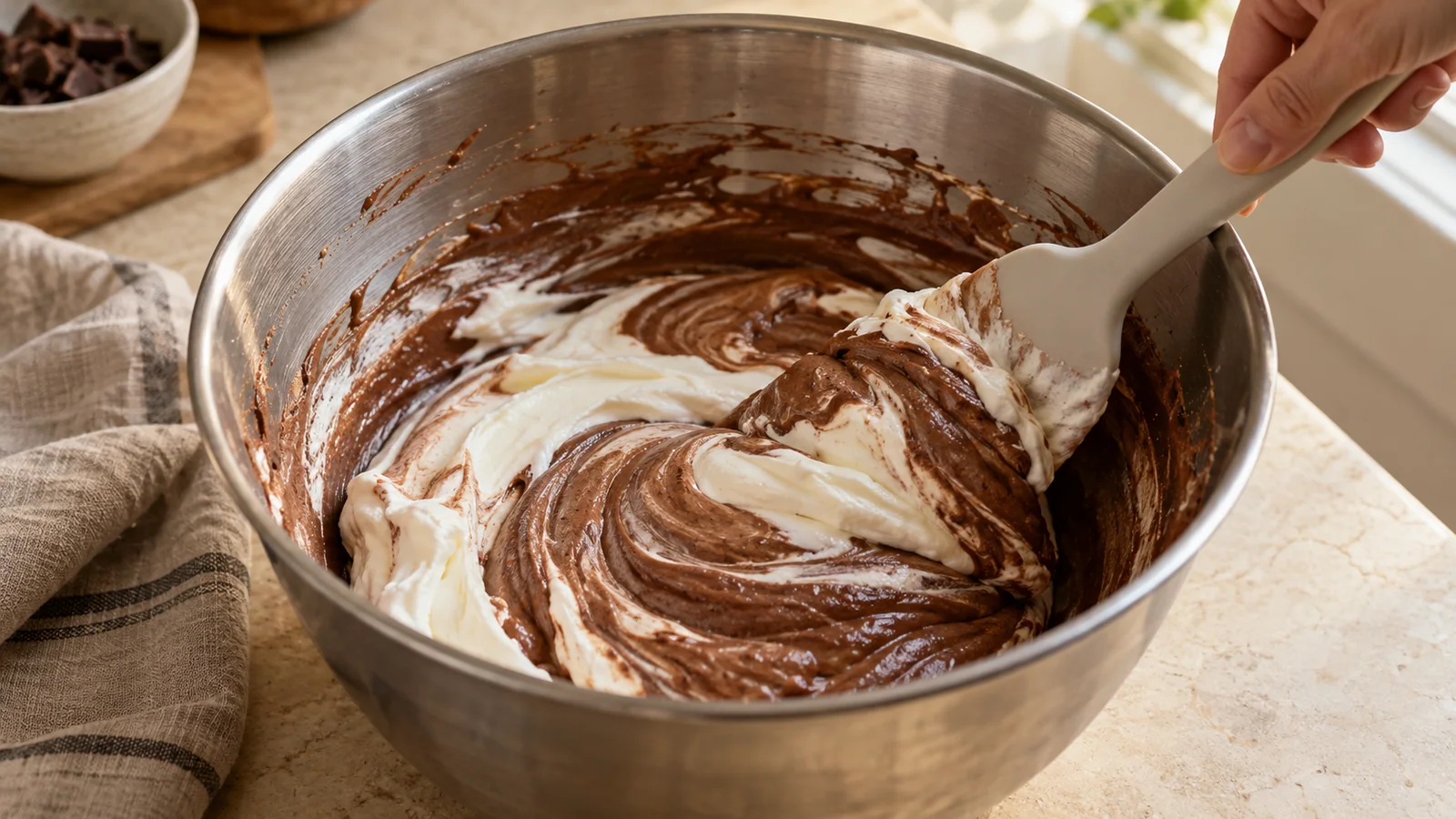
The cream and base need compatible textures and temperatures for even folding. A base that is too warm can melt away the structure you just built; one that has begun setting can leave lumps before the cream is distributed. Follow the recipe’s temperature and sequence rather than using the cream to cool an excessively hot mixture.
Fold using the method specified, scraping through the bowl so the mixture combines evenly. Some methods first lighten a heavier base with a portion of cream, then incorporate the remainder more gently. The aim is a uniform mousse without unnecessary loss of air. If firm lumps of cream remain, beating harder can flatten the mousse rather than restoring a light texture.
Check the gelatin mixing stage if strings or lumps appear in the mousse.
Distinguish loose cream from overwhipped cream
Cream that stays liquid may be too warm, unsuitable for whipping or poorly matched to the bowl and whisk. Stop to check those conditions rather than simply running the mixer longer. If the cream is warming during the attempt, restore the appropriate cold conditions before deciding whether further whipping makes sense.
Graininess, butter-like clumps or separated liquid after the cream has already thickened point towards overwhipping. Stop immediately. A minor overshoot in plain cream may sometimes be adjusted within a suitable method, but a visibly separated batch is not a dependable starting point for a delicate mousse. Do not add an improvised stabiliser or remelt the whole mixture and assume the original behaviour has returned.
Build a sequence that protects the texture
Have the moulds, inserts and tools ready before combining the mousse. Once the components are at the right stage, assemble as the recipe directs. Repeated stirring while you search for equipment can make the texture less consistent, and a setting base will not wait indefinitely for your next step.
Record the cream used, the peak stage and how the mousse handled during filling. After chilling or thawing as appropriate, assess the finished texture too. A mousse that pours attractively is not fully evaluated until it has set and is ready to eat. That feedback tells you whether the cream stage worked within the entire dessert, rather than only in the mixing bowl.
Prepare the mould and freezing sequence before assembling a mousse cake.
Common questions
Should I whip cream to stiff peaks for every mousse?
No. Many mousses need softer cream that folds easily, while others specify a different stage. Follow the complete recipe. Extra stiffness can make combining the cream harder and increase the risk of a grainy or uneven texture.
Can I use an immersion blender to whip cream?
Use a whisk attachment or a tool intended for whipping. The blending blade is designed for a different task and offers poor control over the foam you need. Choose equipment that lets you observe the cream as it thickens.
Keep exploring
All pastry guides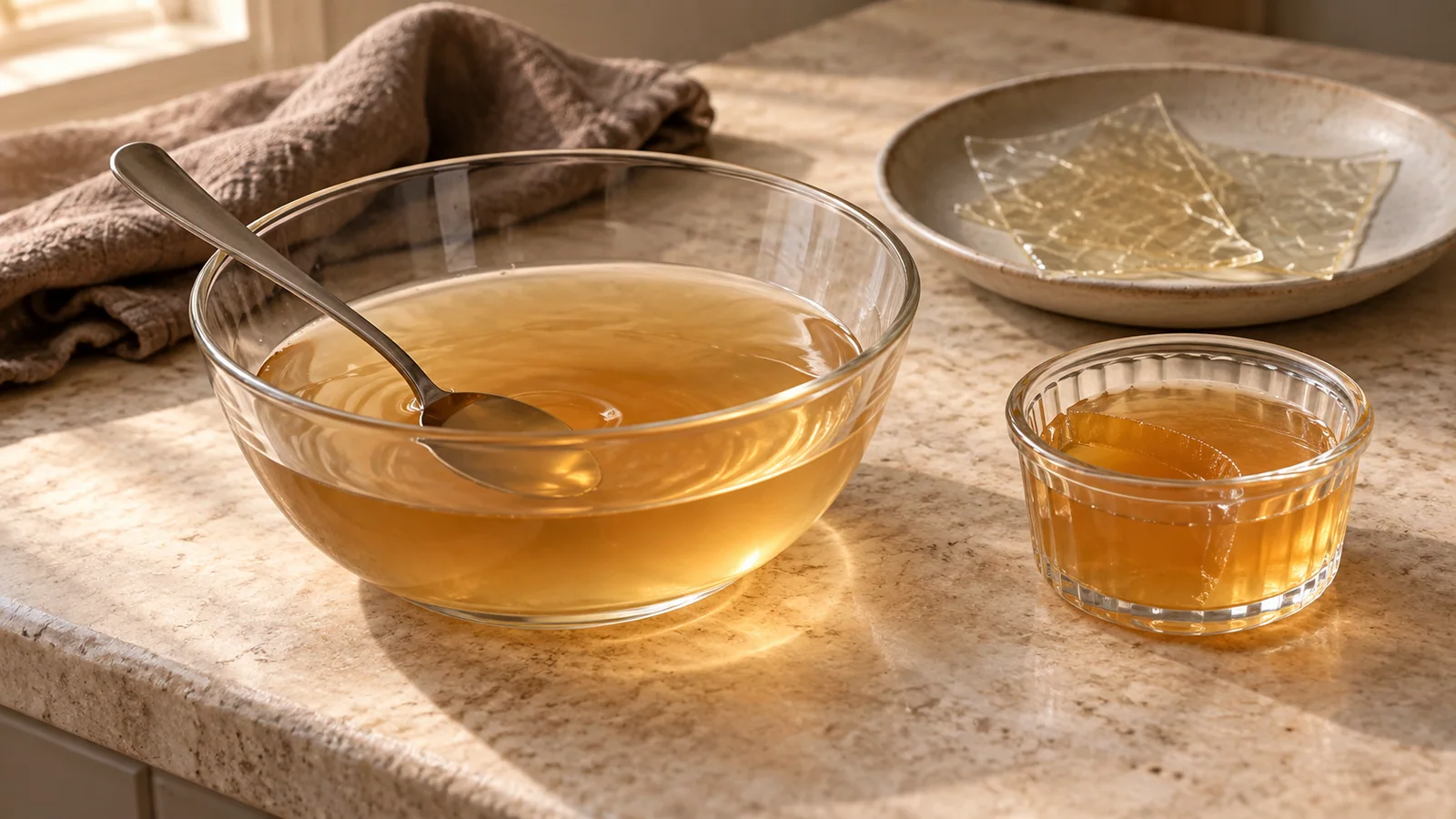
Why Is My Gelatin Not Setting?
Gelatin still liquid, lumpy or weak? Check hydration, dissolution, strength, ingredients and chilling before changing the amount in your dessert.
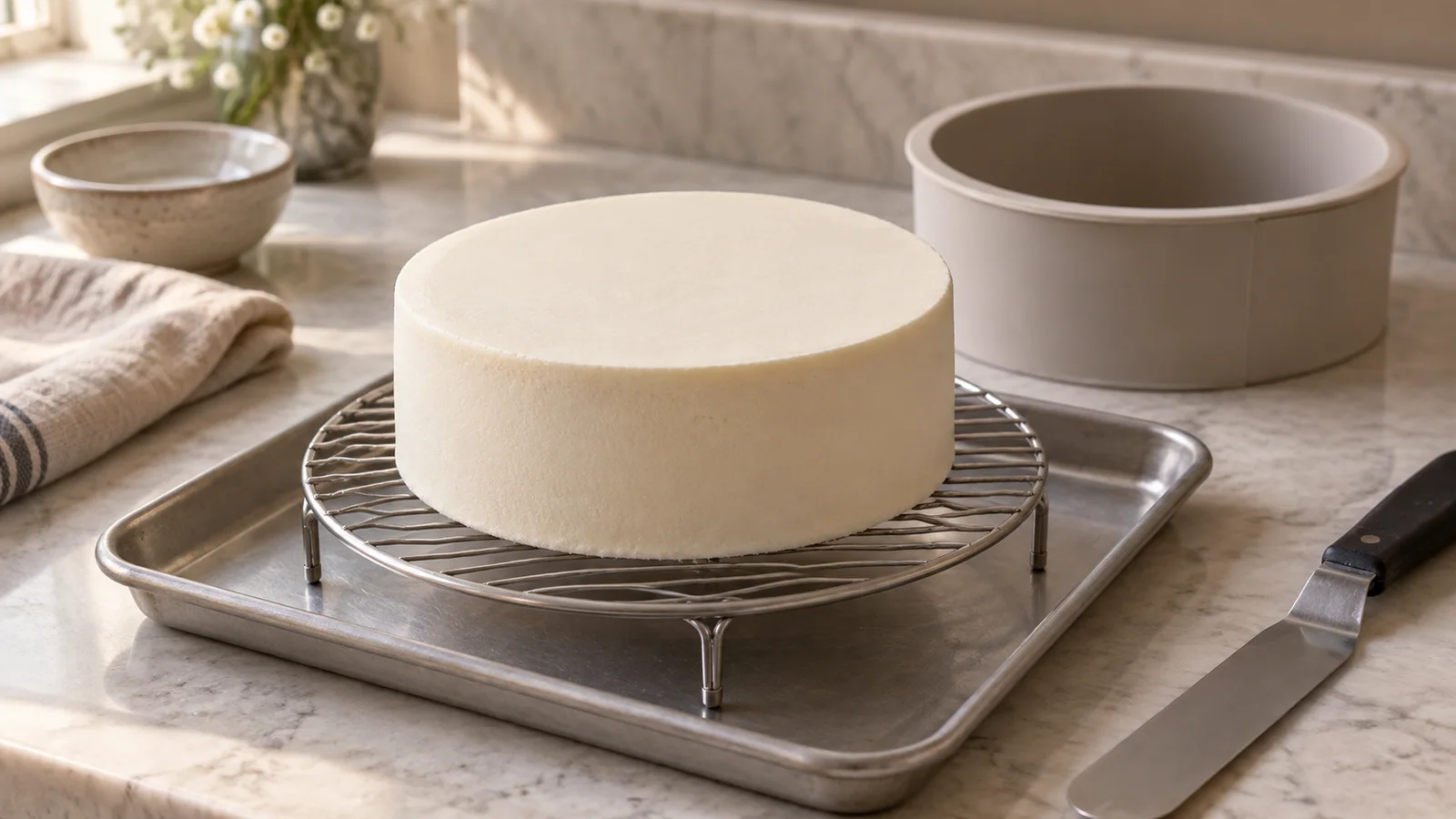
Freezing a Mousse Cake Before Glazing: What to Check
Plan the freezing stage for a moulded mousse cake, check release and surface condition, and coordinate glazing with a controlled refrigerator thaw.
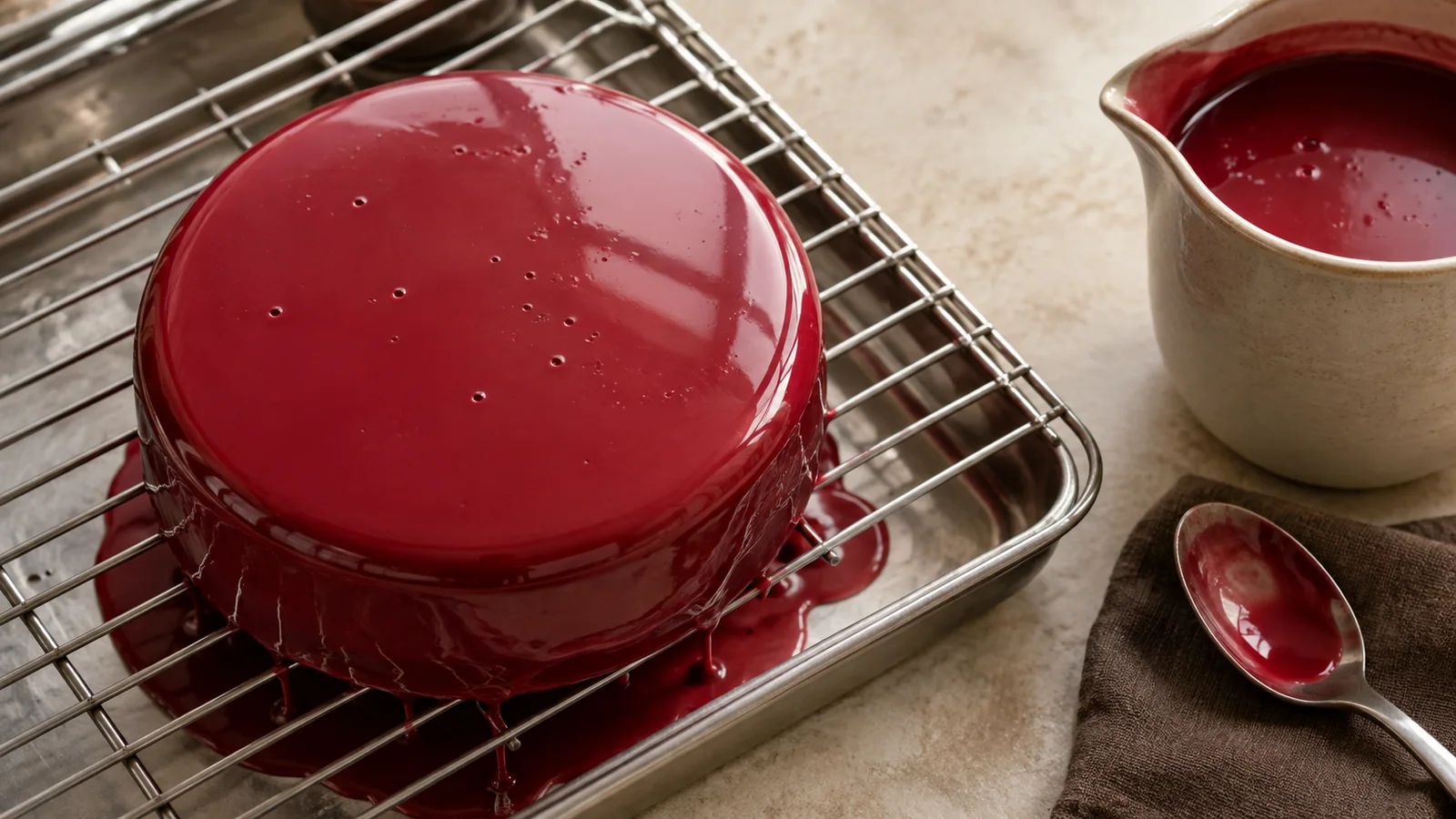
Mirror Glaze Bubbles and Thickness: A Practical Troubleshooting Guide
Mirror glaze full of bubbles, too thick or sliding off? Check blending, recipe-specific working conditions and the frozen cake before pouring.
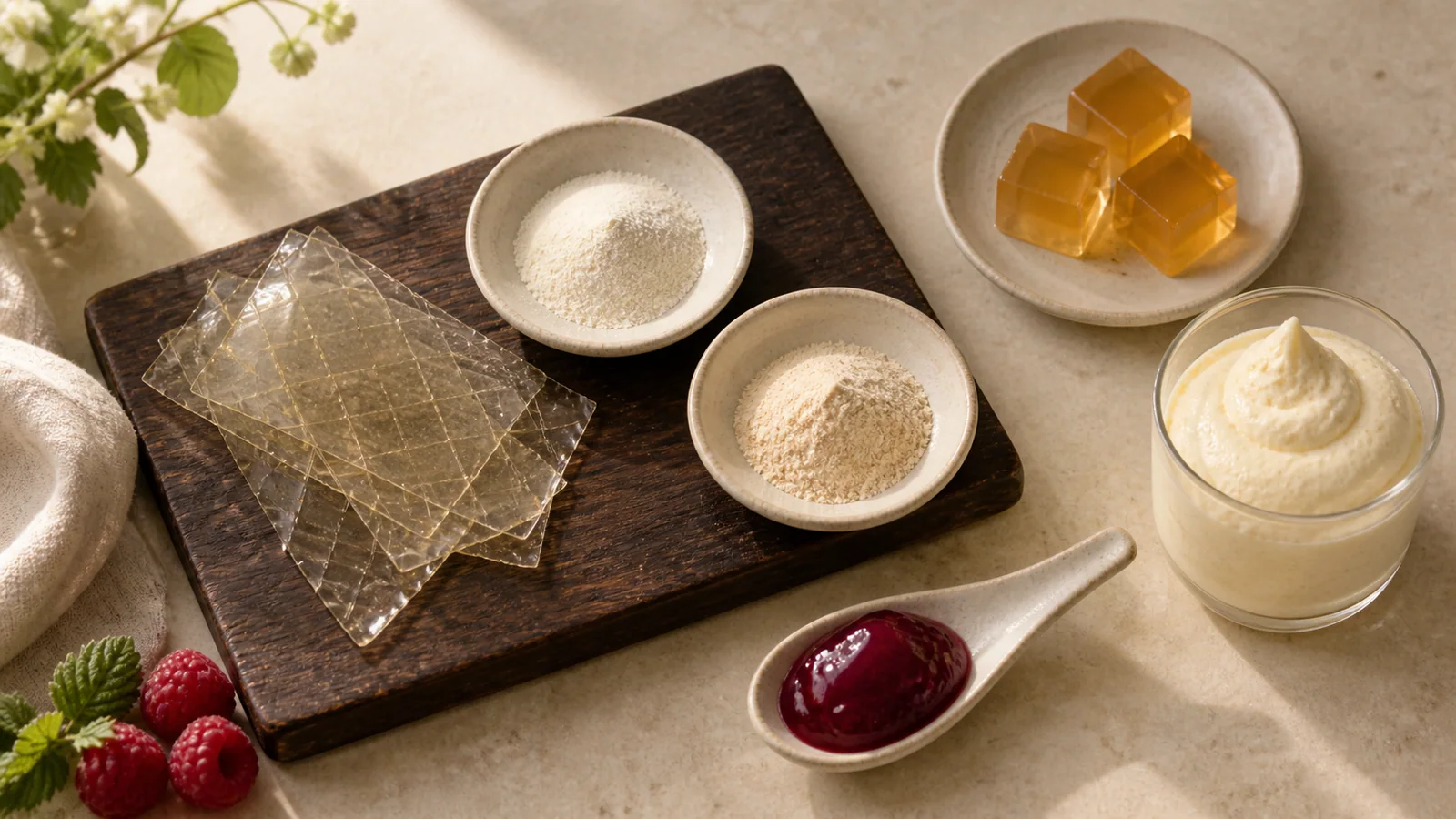
Gelatin, Agar and Pectin: Which One Does Your Dessert Need?
Gelatin, agar and pectin create different dessert textures. Compare their roles, preparation and substitution limits before changing a mousse or fruit filling.