
Cakes & pastry
Chocolate Lava Cakes: Four Small-Batch Variations
A lava cake has a set outer cake and a soft chocolate centre. That centre can come from a separate chocolate insert or from a batter-style formula, so the method matters. Prepare the moulds and serving plates first, test one portion with your equipment and serve promptly rather than treating ten minutes as a universal result.
7 min read
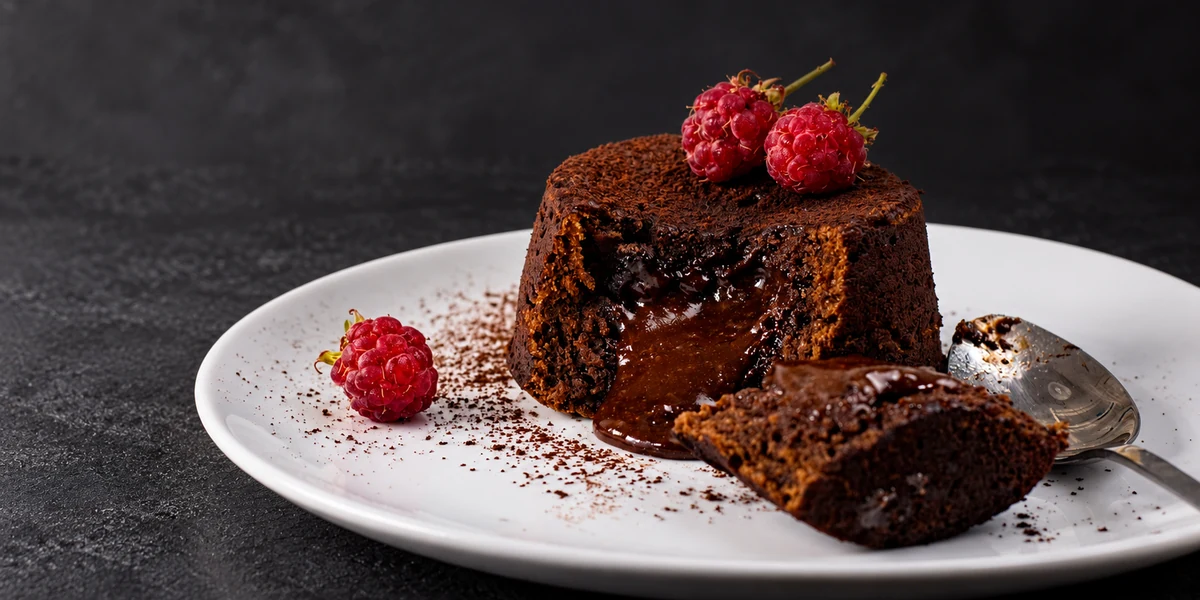
Know what makes the centre flow
Some lava cakes contain a separate chocolate or ganache centre. Others rely on a soft batter centre. These are different designs: adding an insert is not the same as shortening the bake of an ordinary muffin.
The four versions below include three oven formulas and a microwave version with a piece of chocolate in the middle. Keep each formula together rather than combining its flour amount with another version's butter or baking method.
For a batter-style molten centre, use pasteurised egg and commercially heat-treated flour labelled suitable for ready-to-eat use. Ordinary raw flour and raw egg should not be served as uncooked batter; a flowing centre or a timer does not establish food safety. These ingredient choices still need a texture trial with the chosen mould.
Choose a fully baked chocolate muffin when that is the result you want.
Prepare the moulds, chocolate and serving plate
Use individual heatproof moulds suited to the appliance, with a shape that can release cleanly. Grease the inside thoroughly and dust dark versions with cocoa if you want to avoid pale flour marks.
Choose plain chocolate of a consistent formulation. The dark versions below specify about 55% cocoa. A much darker product or a compound coating changes sweetness, fat balance and texture.
Melt gently and let the chocolate mixture cool enough that it will not scramble the egg. Have the serving plate and any cold accompaniment ready before the cake finishes.
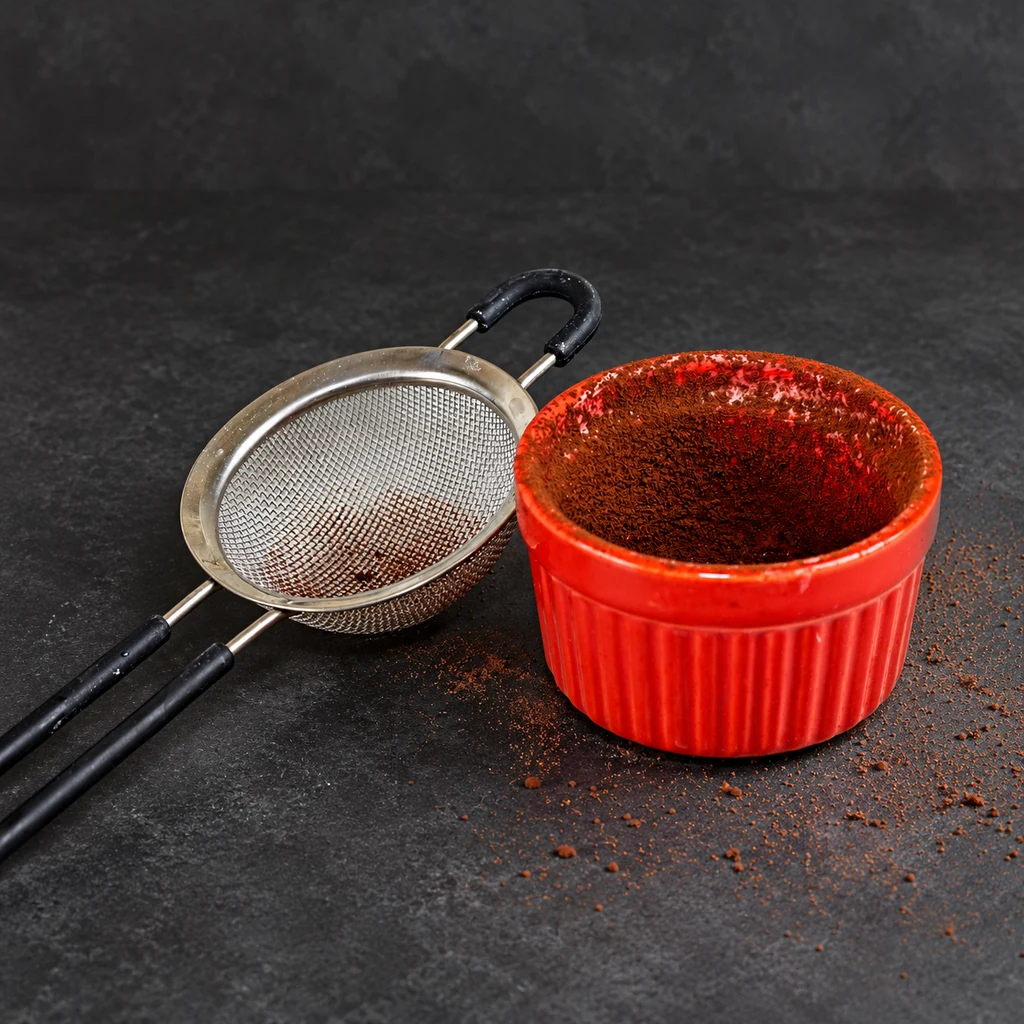
1. Dark chocolate oven lava cake
This is a small batter-style formula with no separate filling. The stated 10-minute bake is a starting point for a trial portion, not a guarantee for every mould.
Dark chocolate lava cake
One small batch; portion count depends on mould capacity
Ingredients
- 40 g butter
- 50 g dark chocolate, about 55% cocoa
- 1 pasteurised egg
- 30 g sugar
- 40 g commercially heat-treated plain flour suitable for ready-to-eat use
- a little butter and cocoa for the mould
Method
- Prepare. Preheat the oven to 180°C (355°F). Grease and cocoa-dust the mould.
- Melt. Melt butter and chocolate gently together. Stir smooth and cool slightly.
- Mix. Mix egg and sugar, then add the warm chocolate mixture gradually. Sift in the flour and stir until uniform.
- Bake. Pour into the prepared mould, leaving room for expansion. Bake for approximately 10 minutes, checking that the outer cake has enough structure to release while the intended centre remains soft.
- Serve. Rest only briefly if needed for handling, release carefully onto the ready plate and serve promptly.
Different mould depths change the bake. Trial the actual setup before making several portions.
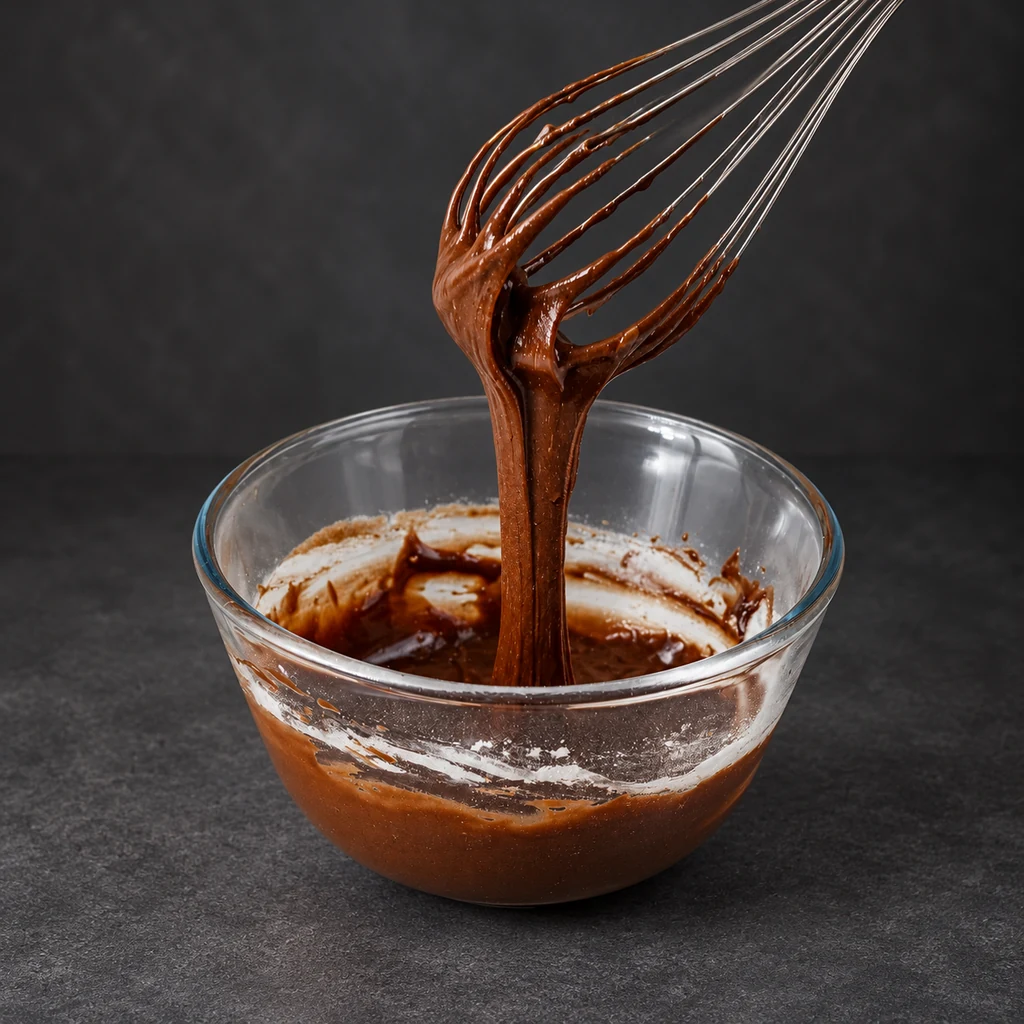
2. Microwave cake with a chocolate insert
This variation places 15 g chocolate between two layers of batter. Use a microwave-safe mould with no metal. The cake around the insert should cook through; molten chocolate in the centre does not require leaving ordinary batter raw.
Microwave chocolate lava-style cake
One portion, if the chosen vessel has sufficient capacity
Ingredients
- 40 g butter
- 25 g dark chocolate, about 55% cocoa
- 1 egg
- 30 g sugar
- 25 g plain flour
- 5 g cocoa powder
- 15 g dark chocolate for the centre
- a little butter and cocoa for the mould
Method
- Prepare dry ingredients. Mix and sift flour with cocoa.
- Melt. Melt butter gently and combine with the 25 g chocolate, stirring until melted and smooth. Cool slightly.
- Combine. Mix egg and sugar, then stir in the chocolate mixture. Add the dry ingredients and mix until uniform.
- Fill. Grease and cocoa-dust a microwave-safe vessel. Add half the batter, place 15 g chocolate centrally and cover with the remaining batter.
- Cook. Microwave on high, treating approximately 3 minutes as a guide only because wattage and vessel size vary. Check that the cake around the chocolate is cooked; use shorter checking intervals as it approaches readiness.
- Serve. Handle the hot vessel carefully and serve promptly. The chocolate insert supplies the molten element.
Use short checking intervals near the end: microwave power and vessel size change the cooking time.
3. A richer dark version to serve with ice cream
This formula uses more sugar and butter than the first version and less flour. It is a separate batter, not a topping variation on the same cake.
Dark lava cake for an ice-cream pairing
One small batch
Ingredients
- 50 g butter
- 50 g dark chocolate, about 55% cocoa
- 1 pasteurised egg
- 50 g sugar
- 30 g commercially heat-treated plain flour suitable for ready-to-eat use
- 1 pinch salt
- as desired ice cream for serving
Method
- Prepare. Preheat to 180°C (355°F) and grease a suitable individual mould.
- Melt. Melt butter gently and stir it into chocolate until smooth. Let it cool slightly.
- Mix. Mix egg and sugar until lighter. Add the chocolate mixture, then sift in flour and salt and combine until smooth.
- Bake. Fill the mould and bake for about 10 minutes as an initial trial. The outer structure should set while the intended centre remains soft.
- Plate. Release carefully and add a small scoop of ice cream just before serving.
Keep the ice cream frozen until plating rather than leaving the whole container to warm while baking.
4. White chocolate lava cake
White chocolate brings cocoa butter, sugar and milk solids rather than cocoa powder. Its flavour is milder and its sweetness different, so use this complete formula instead of swapping white chocolate into a dark version by eye.
White chocolate lava cake
One small batch
Ingredients
- 40 g butter
- 40 g white chocolate
- 1 pasteurised egg
- 40 g sugar
- 25 g commercially heat-treated plain flour suitable for ready-to-eat use
Method
- Prepare. Preheat the oven to 180°C (355°F). Grease a suitable individual mould.
- Melt. Melt butter and white chocolate gently in short intervals, stirring often. Cool slightly.
- Mix. Mix egg and sugar until well combined. Add the chocolate-butter mixture, then sift in flour and stir smooth.
- Bake. Transfer to the mould and bake for approximately 10 minutes as an initial trial, adjusting for the actual size and centre texture.
- Serve. Release gently when the outer cake can support itself and serve promptly.
White chocolate scorches easily; do not use prolonged high heat to melt it.
Use a trial portion to find the timing
A deep ceramic ramekin, a thin metal mould and a different portion size do not bake identically. Record the mould, batter weight, starting temperature and actual bake time.
A surface that has turned matte is useful information, but it does not create a universal rule to add exactly three minutes. Check the structure of the trial cake and adjust deliberately.
Too little outer structure makes release difficult. Too long a bake removes the flowing centre. If a molten effect is not essential, let the cake cook through and serve it as a warm chocolate cake rather than presenting it as failed.
Finish the plate before the cake is ready
A small fruit accent, light cocoa dusting or a prepared sauce can go on the plate before unmoulding. This avoids spending the cake's warm serving window on elaborate decoration.
The centre thickens as it cools. Reheating changes the texture again and is not a reliable way to recreate the original effect. Plan to bake the portions near serving time.
If preparing batter ahead, keep it refrigerated and follow the storage requirements of the ingredients. A chilled or frozen start changes the bake; do not reuse the room-temperature timing without a trial.
Understand a separate ganache component before designing an inserted centre.
Common questions
Is the liquid centre always raw batter?
No. Some recipes use a separate chocolate or ganache insert. The microwave version here uses a piece of chocolate; the oven versions use a different batter-style approach.
Will every cake bake in 10 minutes?
No. Mould material, depth, portion weight and starting temperature matter. Test the actual setup.
Can I simply underbake ordinary chocolate muffins?
No. A lava cake is a specific formula and centre design. Ordinary raw flour and egg batter should not be served uncooked.
Can I use milk chocolate instead of dark?
That changes sweetness and structure. Choose a formula made for milk chocolate rather than assuming it is an equivalent swap.
Can I reheat leftovers to get the same centre?
Not reliably. The centre and crumb change as they cool and heat again. Bake near serving time for the intended effect.