
Egor Kozlovskii teaches all 5 classic French shortcrust doughs through 10 video lessons and 6-8 tart recipes, from berry tartlets to a savory quiche. You learn why the dough behaves as it does, so clean, crisp shells repeat in your own oven.
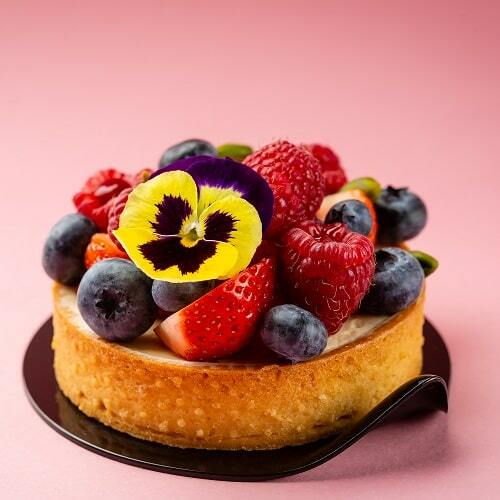
Shortcrust fails quietly, inside the oven, where you can no longer fix it. Three scenes every tart baker knows too well.
You lined the ring cleanly, chilled the dough, did everything right. Twenty minutes later the shell is half its height, edges slumped, butter pooling on the tray.
The shell survives the bake, then splits in your hands at the ring, or a hairline crack lets the filling weep through overnight in the fridge.
A golden rim promises everything. Then the first slice folds: under the fruit the base is damp and blond, more raw dough than crisp pastry.
Shrinking, cracking and wet bottoms are not bad luck: each has a named cause in butter temperature, gluten and moisture. This course starts with the causes, then bakes straight through them, dough by dough.
When you know why dough shrinks, it stops shrinking.
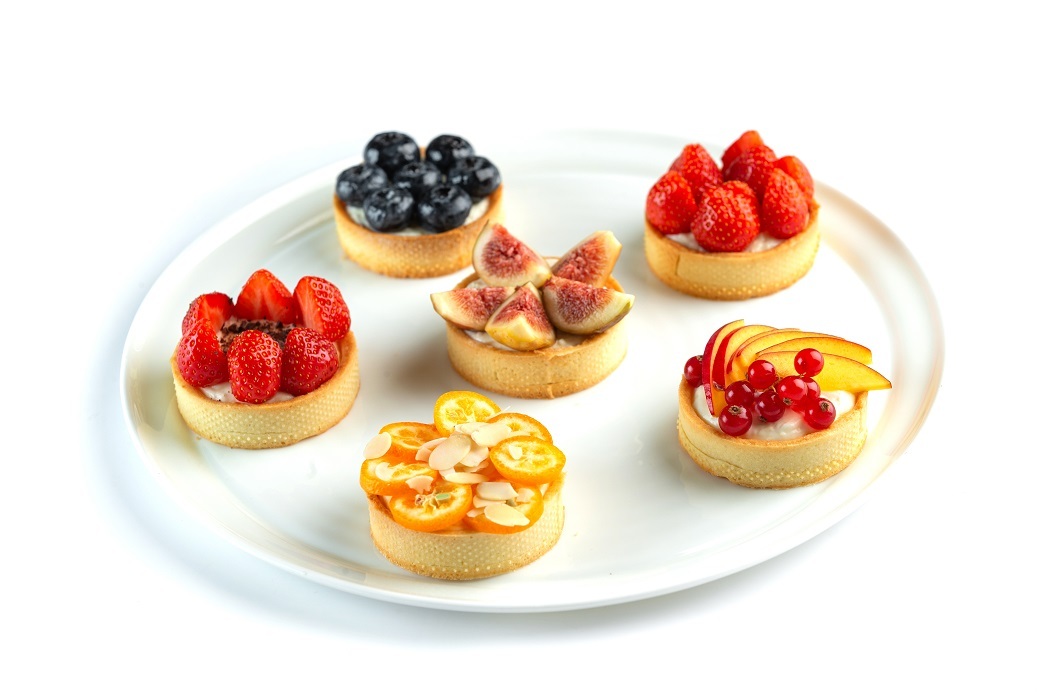
The course opens with a full theory block, because a perfect shell is decided long before the oven door closes.
Rings, pans, flour and butter: the intro lesson builds your exact shopping list, so nothing stalls your first bake.
The history and family map of French shortcrust: how sablee, breton, brisee and sucree relate, and when each one wins.
What butter, sugar, flour and eggs each do inside the dough, and why their balance decides tenderness, snap and shape.
Temperatures, resting and handling: the exact conditions that keep dough workable in your hands and true to the ring in the oven.
Not inspiration. Skills that stay in your hands after the screen goes dark.
10 video lessons on 5 classic French doughs: 6 tart recipes in every plan, plus 2 gourmet showpieces on Signature.
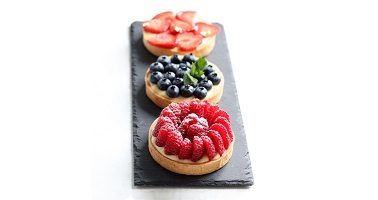
Crisp pate sablee shells under glossy fresh berries: simple, delicious, and the perfect first test of a clean shell.
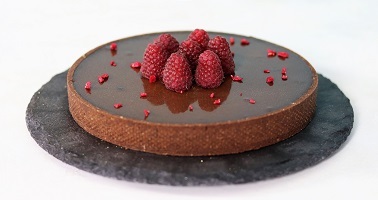
Two layers of chocolate in a pate chocolat sablee shell: the tart your friends will beg for, even the non-chocolate ones.
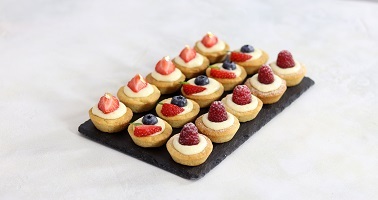
Quick tartlets on rich pate sablee breton: proof that a crumbly, buttery base can come together on short notice.
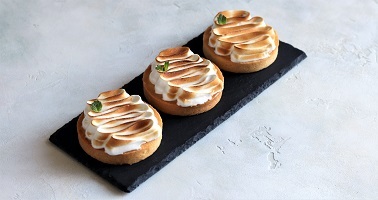
Bright lemon filling in a clean pate sablee shell: the classic nothing replaces, and the truest test of a crisp bottom.
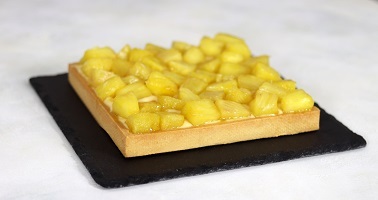
One oversized tropical tart that teaches large-form work: rolling, lining and baking big without the walls giving way.
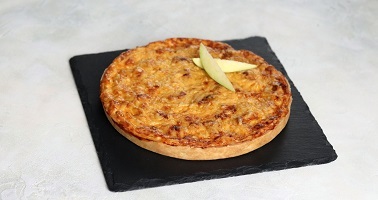
Unsweetened pate brisee goes savory: a French quiche good enough to carry dinner and prove shortcrust is not only dessert.
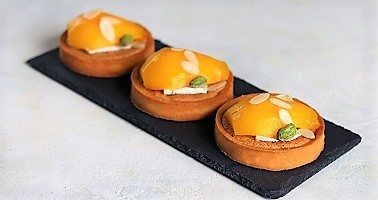
Frangipane meets brie and saffron pears spiced with cardamom and anise: a gourmand pairing on delicate pate sucree.
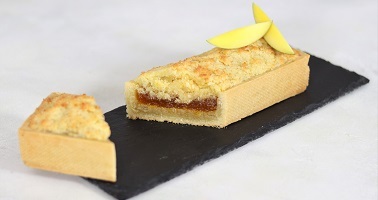
Coconut, mango and frangipane stacked on pate sucree: a sunny, exotic tart that tastes like a holiday in one slice.
“Shortcrust never lies. It bakes exactly what you knew and exactly what you guessed.”
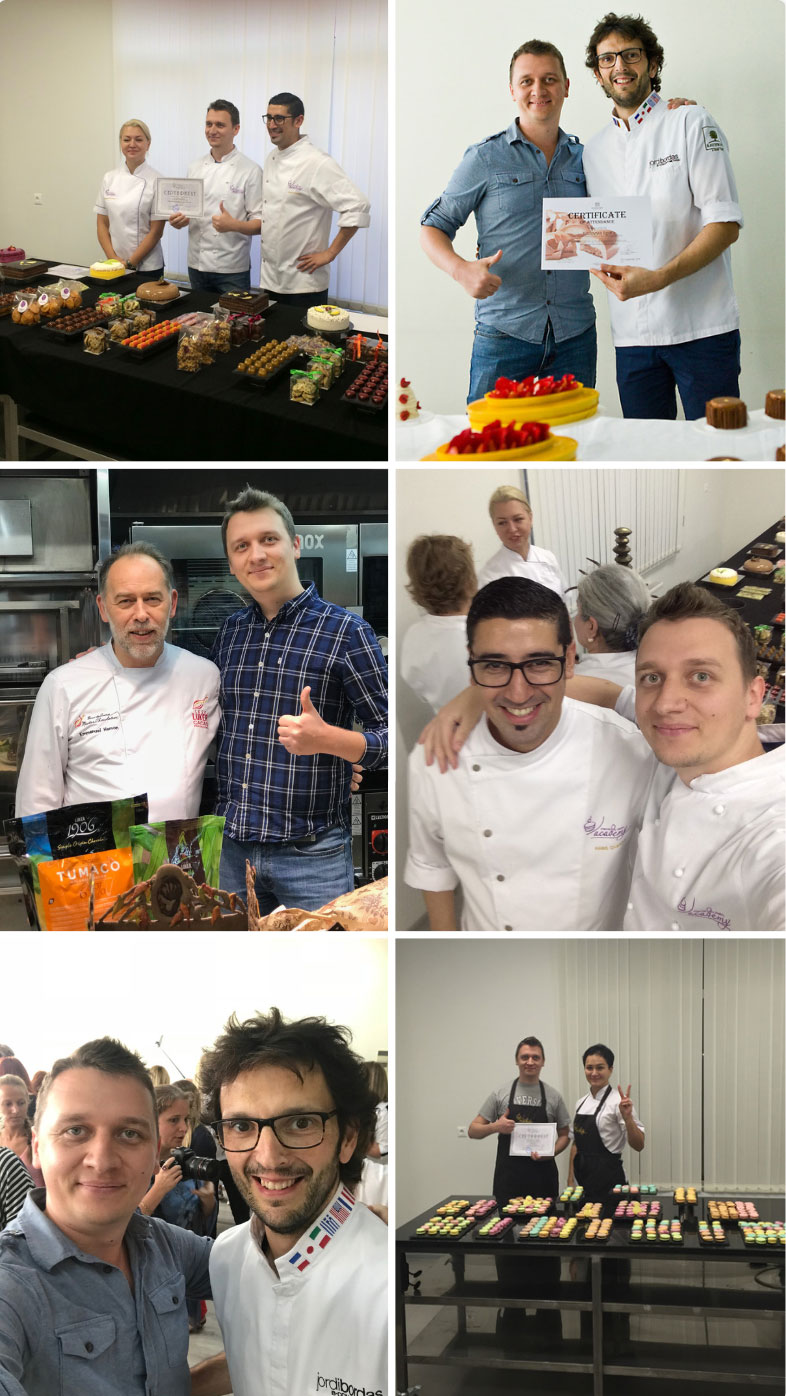
Years before LeChefio, I pulled a tray of tartlet shells for a big order and watched every wall slide halfway down the ring. I blamed the recipe, the oven, even the flour; it was butter temperature, and nobody had ever told me why. Training with chefs like Hans Ovando, Jordi Bordas and Amaury Guichon taught me that French pastry is a chain of causes, not a stack of recipes. In this course I hand you that chain: five doughs, the chemistry behind them, and the exact conditions that make a shell hold its shape.
Every technique is a clear video you can pause and rewatch, with a printable PDF guide to work from.
Roll, line and bake in your own kitchen, tart by tart, with the theory fresh in mind.
On Studio and Signature, send your work to the team and get specific fixes instead of guesses.
Essentials if you learn best on your own, Studio if you want a trained eye on every shell you bake, Signature if you want the complete gourmet program for life.
Every plan is a one-time payment with instant access and a 14-day money-back guarantee.
Change your mind within 14 days of purchase and we will refund you.
Finish the lessons and homework on Studio or Signature and receive your certificate.
On Studio and Signature, the team reviews your work and answers questions for 12 months.
One year of access on Essentials and Studio. Lifetime access on Signature.
How long do I have access to the course?
Essentials and Studio include access for 1 year from the day you enroll. Signature includes lifetime access to the course and every future update, so you can come back to any dough whenever you bake.
I have never made shortcrust dough. Can I start here?
Yes. The course opens with an intro lesson on tools and ingredients and a full theory block before the first recipe. Every bake is shown step by step, so complete beginners can follow, and experienced bakers finally get the why.
What equipment do I need?
A home oven, tart rings or pans, and basic pastry tools. No professional machines are required, and the intro lesson walks through the exact list of tools and ingredients before you spend anything.
What is the difference between the plans?
Every plan includes all 5 doughs, the theory block and 6 tart recipes. Studio adds curator feedback on your homework, answers to your questions and a certificate. Signature adds the 2 gourmet frangipane showpieces, personal support from Egor for 1 year, and lifetime access.
Do I get a certificate?
Yes, on Studio and Signature. You receive a LeChefio certificate of completion after your homework and final work are reviewed by the team.
What if the course is not for me?
You are covered by a 14-day money-back guarantee. If within 14 days you decide the course is not your fit, write to us and we will refund your payment.
5 classic French doughs. 10 lessons of cause and effect. 6-8 tart recipes that prove the theory in your own oven. Learn once why dough misbehaves, and clean, crisp shells stop being luck.