
A soggy, raw bottom is the reason most homemade pies never look or taste the way they should. This course fixes that first, then hands you 15 modern pies, mostly sweet with a few savory, built on 5 reliable doughs so the crust behaves the same way in your oven as it does in mine.
You can follow a recipe to the letter and still pull out a pie that looks nothing like the photo. The problem is almost never the flavor. It is the base.
The top browns beautifully while the base stays pale, wet, and undercooked right where the filling meets the dough. You cut in and the bottom is still raw.
The dough turns leathery instead of tender, then slides down the tin as it bakes and leaves you with a shallow, misshapen shell that never held its edge.
You reach for the same tired recipe for every pie, so a juicy berry filling and a dry nut filling get the exact same base, and neither one comes out right.
Before a single pie, we cover the tools, the ingredients, and one base dough you will actually understand. Then every recipe pairs a dough to its filling so the bottom bakes through, the edge holds, and the crust stays tender.
By the end, a fully baked bottom is not luck. It is something you can repeat on demand, with any filling in the course and plenty that are not.
Concrete skills you keep long after the last lesson, on any pie you decide to make.
A foundations block comes first, then the pies. The three Signature showpieces are the only lessons reserved for the Signature plan.
How the course is structured, which pie problems we are solving, and how to get the most out of every lesson.
The tins, surfaces, and small kit that actually change how your crust bakes, and what you can skip.
How flour, fat, sugar, and liquid decide whether a crust turns out tender, tough, or soggy at the bottom.
The foundation dough you will build on, plus the reasons crusts go wrong. Four more doughs follow inside the pies ahead.
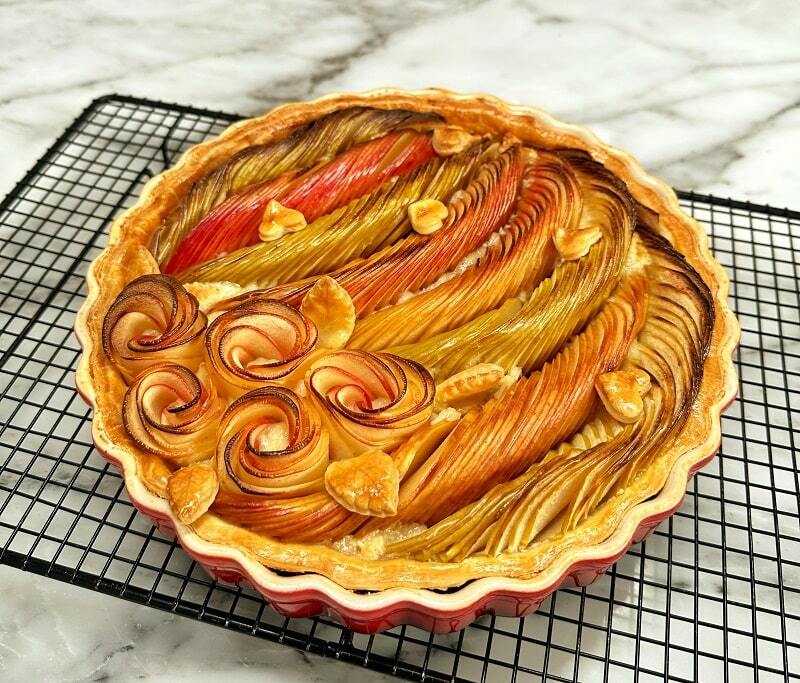
A classic open-faced apple pie and your first proof that a fruit filling can sit on a fully baked base.
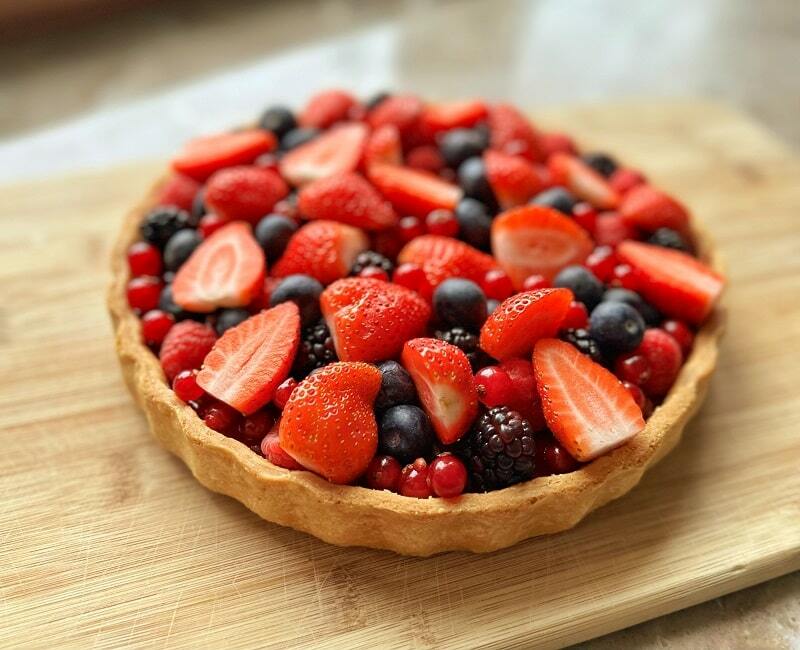
A juicy berry pie with two layers of filling and the technique that keeps a wet berry base from going soggy.
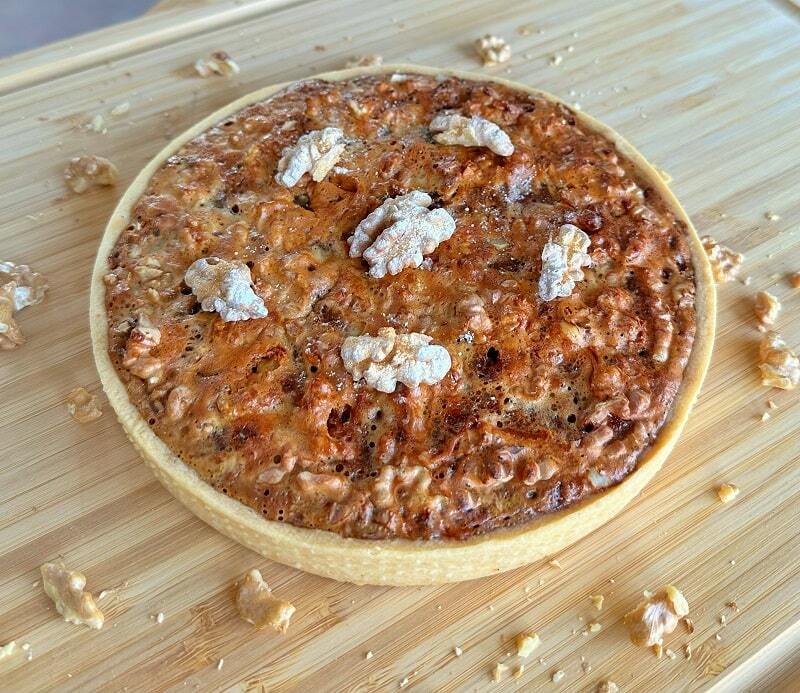
A rich walnut pie where a dry, dense filling still bakes evenly onto its crust.
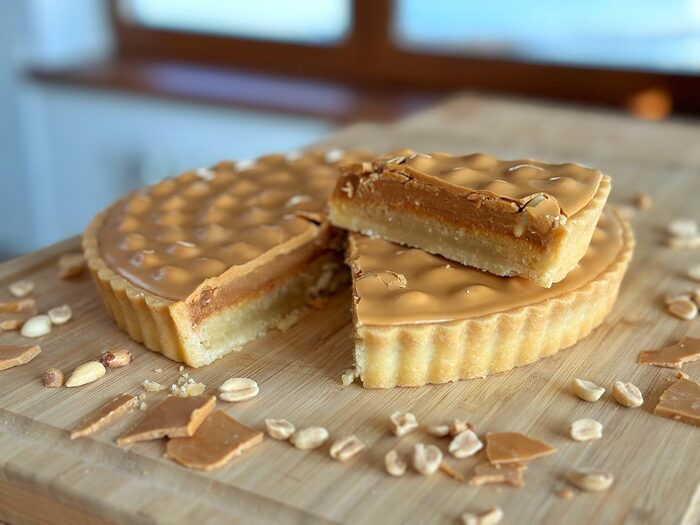
A sweet, nutty peanut pie with a filling that stays set instead of greasy.
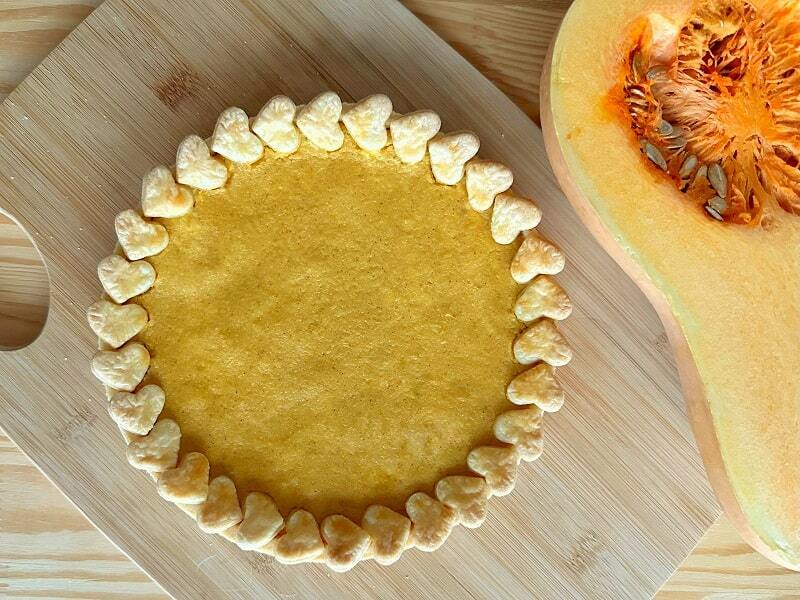
A smooth, spiced pumpkin pie with a custard-style filling that never leaves the bottom raw.
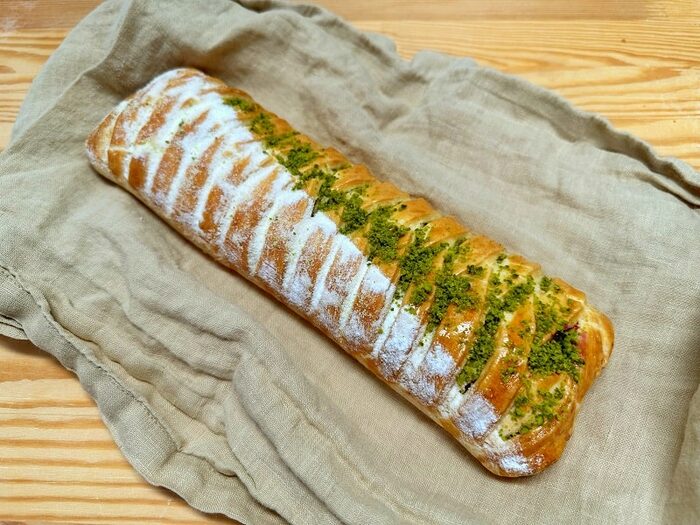
A bright green pistachio pie that balances a delicate nut filling against a crisp base.
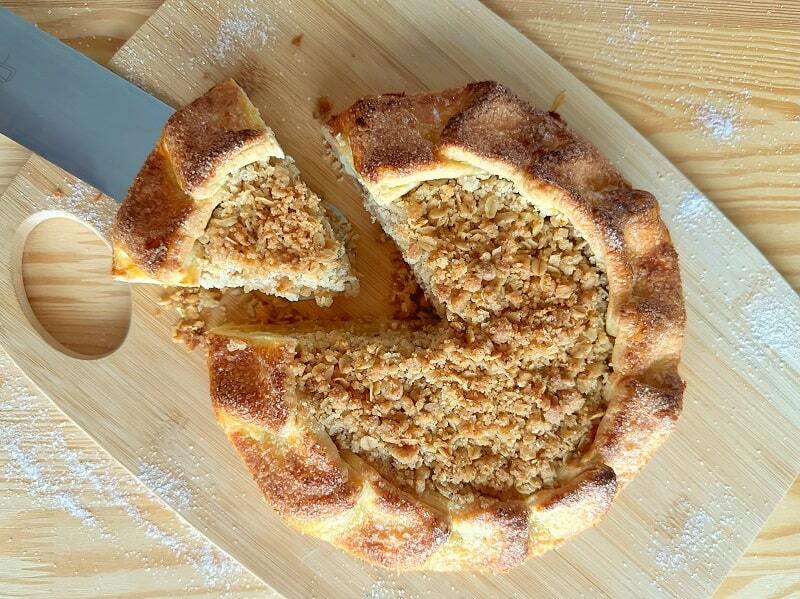
A free-form peach galette that teaches the rustic, tin-free fold and how to keep the center from stewing.
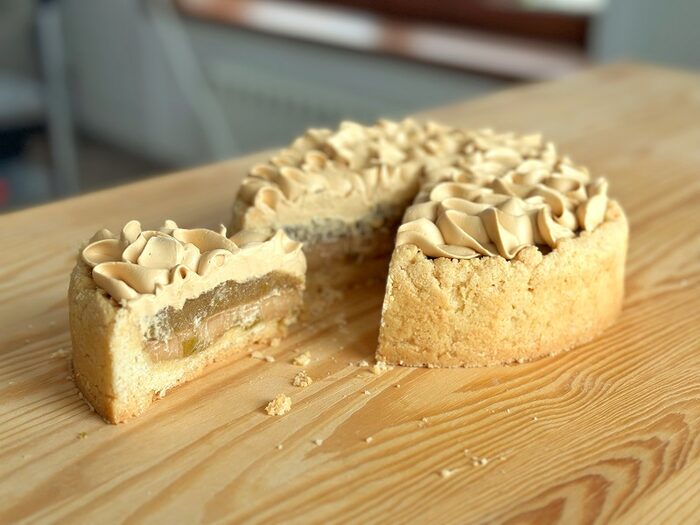
Soft caramelized apples under a buttery crumble top, built so the base cooks through beneath all that fruit.
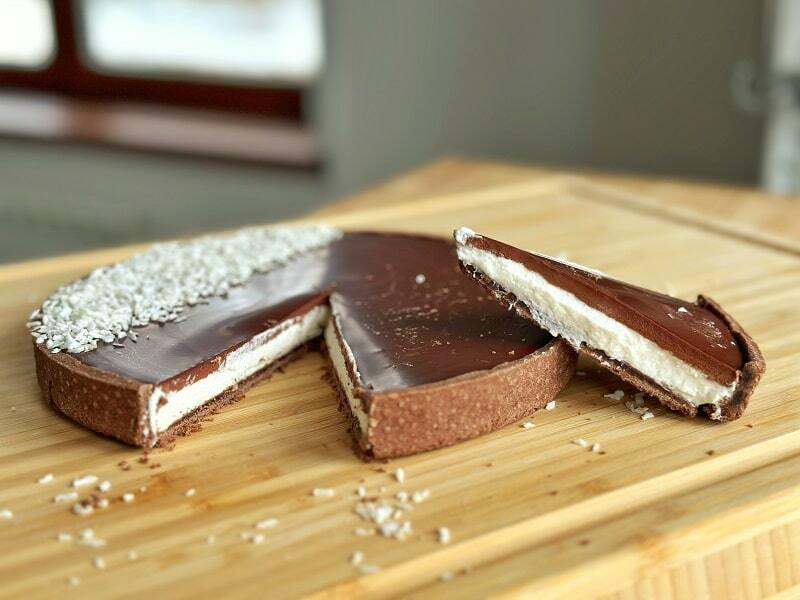
A fragrant coconut pie with a moist filling that stays tender without weeping into the crust.
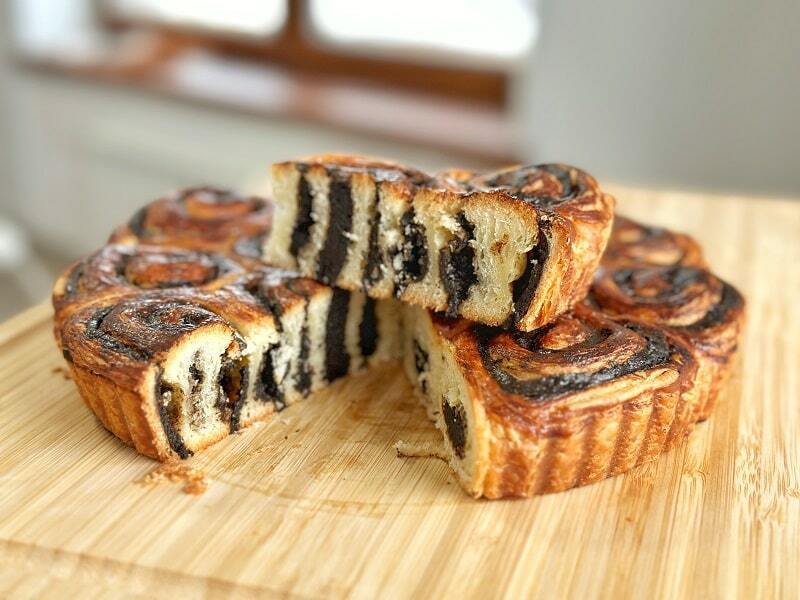
A dark, aromatic bird-cherry pie. The flour is regional and hard to find abroad, so the lesson gives you a substitute that works.
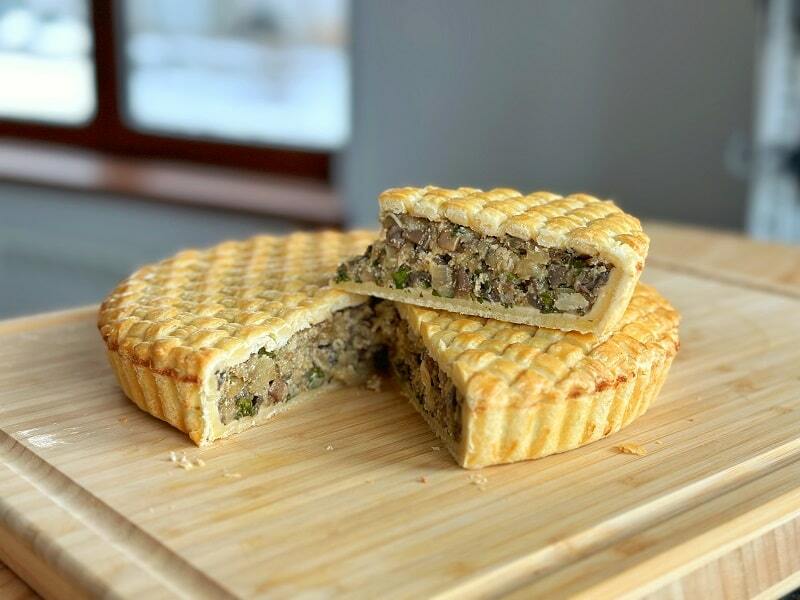
Your first savory pie, with a seasoned vegetable filling and a base that stays crisp under the moisture.
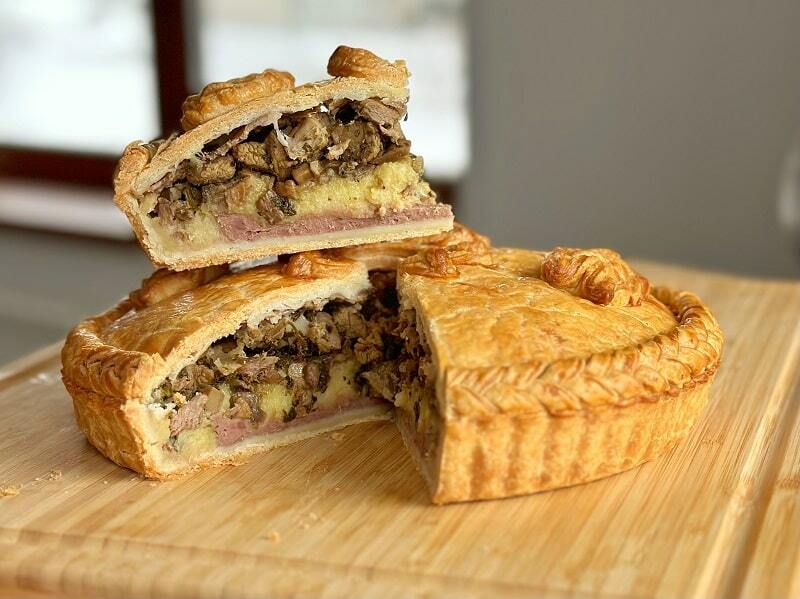
A hearty savory pie in the British tradition, with a sturdy crust built to hold a substantial filling.
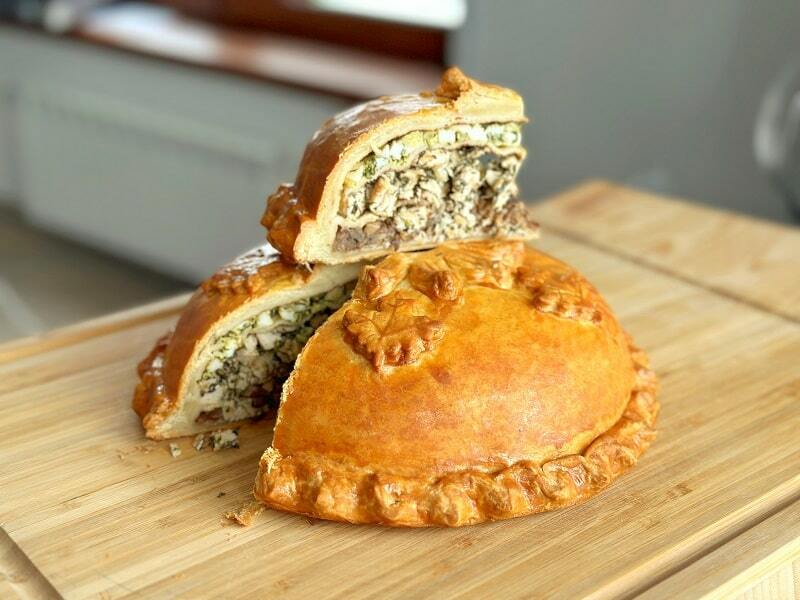
A tall, layered celebration pie assembled from several fillings, the centerpiece bake of the course.
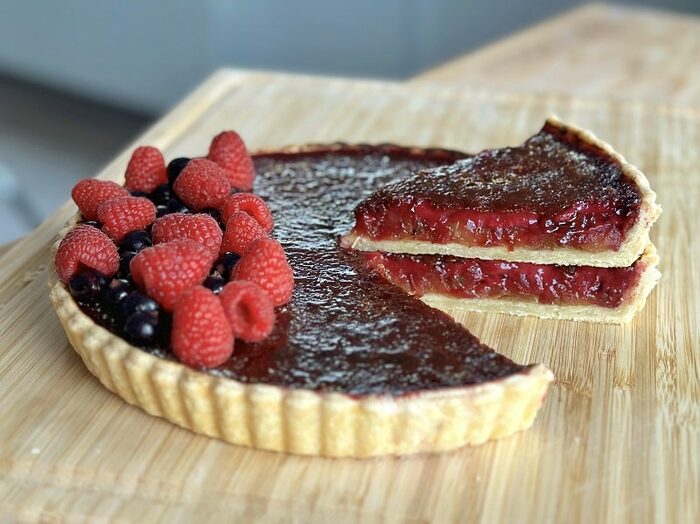
A dessert pie that marries a silky custard filling with a torched, crackling caramel top.
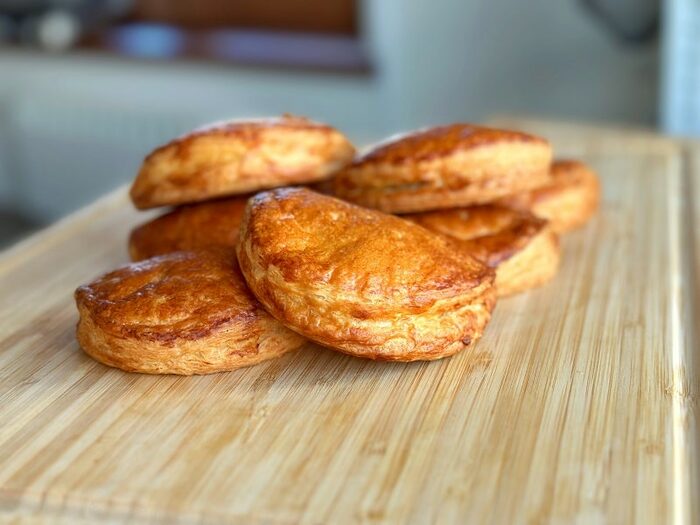
Individual filled pies on puff pastry, ideal for entertaining and giving, with a fifth dough to master.
.jpg)
“A good pie lives or dies at the bottom of the tin.”
I have spent my life around grain, flour, and dough, from the field to the mill to my grandmother's bread baked in a Russian stove. Pastry taught me one thing above all: the filling forgives you, but the crust does not. That is why I start this course where most people go wrong, at the base, and only then move on to the pies. I trained under Western chefs and bakers to sharpen my technique, and everything I show you here is meant to be repeated in a home oven, not just a professional one. Bake along with me and a crisp, fully baked bottom stops being a happy accident.
Every technique is a clear video you can pause and rewatch, with a downloadable guide to work from.
Cook it in your own kitchen, step by step, with the theory fresh in mind.
On Studio and Signature, send your work to the team and get specific fixes instead of guesses.
Every plan includes the foundations block and all 15 core pies. The three Signature showpieces are the only lessons reserved for the Signature plan. Every plan is covered by a 14-day money-back guarantee.
Every plan is a one-time payment with instant access and a 14-day money-back guarantee.
Change your mind within 14 days of purchase and we will refund you.
Finish the lessons and homework on Studio or Signature and receive your certificate.
On Studio and Signature, the team reviews your work and answers questions for 12 months.
One year of access on Essentials and Studio. Lifetime access on Signature.
How is this different from your Savory Pies course?
Our Savory Pies course is entirely savory, built around meat and fish pies. This course is the modern, mostly sweet crossover: apple, berry, nut, pumpkin, pistachio, galette, crumble, coconut, and more, with just a few savory pies in the mix. If you want dessert pies with a savory option or two, this is the one. If you only bake savory meat and fish pies, take the Savory Pies course instead.
What exactly do I get: how many pies and doughs?
You get 19 video lessons total: a foundations block of intro, tools, ingredients, and a base dough, then 15 pies built on 5 different doughs. The pies are mostly sweet with a few savory, so you finish with a genuine repertoire rather than a single recipe.
The bird-cherry pie uses a special flour. Can I actually make it?
Yes. Bird-cherry flour is regional and can be hard to find outside its home region, so we are honest about that. The lesson gives you a substitute that produces the same dark, aromatic pie, so you are never left with a recipe you cannot bake.
Which plan do I need to get the Russian kurnik and the other showpieces?
The three Signature showpieces, Russian kurnik, creme brulee pie, and portioned puff-pastry pies, are included only in the Signature plan. The Essentials and Studio plans include the foundations block and all 15 core pies, but not those three lessons.
I am a complete beginner. Is this too advanced for me?
No. The course is built for all levels and starts from the ground up, with tools, ingredients, and a base dough before any pie. We explain why crusts go wrong so you can fix problems instead of guessing, which is exactly what a beginner needs.
How long do I have access, and is there a guarantee?
Essentials and Studio give you course access for 1 year. Signature is the only plan with lifetime access. Studio and Signature include 1 year of support. Every plan comes with a 14-day money-back guarantee.
Learn the doughs, match them to the fillings, and bake 15 modern pies with a crisp, fully baked base every time. Foundations plus all 15 core pies in every plan, all three showpieces in Signature.