
Pastry instructor Dmitrii rebuilds the humble loaf in 9 video lessons and 6-8 recipes: layered fillings, multi-texture inserts, mini cakes and true French caneles, so every slice reads in clean layers instead of one sweet note.
Fine means one flavor, one texture, one polite slice and nobody asking for a second. Here is how good loaves get stuck at fine.
The loaf looks bakery-perfect, but the third bite tastes like the first: sweet crumb, then more sweet crumb. Guests praise it once and quietly reach for their tea.
You piped the raspberry dead center. The oven had other plans: it now sits at the bottom as a wet stripe, and every slice drags gummy crumbs behind the knife.
Cremeux, ganache, a crunchy insert: on paper, a showpiece. After a night in the fridge they melt into each other, and the slice tastes like one confused cream.
Modern Loaf Cakes 2.0 treats every loaf as architecture: batter, insert, soak, finish. Get the order and the temperatures right, and the layers hold themselves.
A great slice is not sweeter. It is better organized.
Not just a folder of recipes: a set of instincts that shows up in every loaf you design after the course.
9 video lessons and 6-8 recipes depending on your plan: five layered loaves, the French caneles and a bonus lesson in every plan, plus two Signature showpieces.
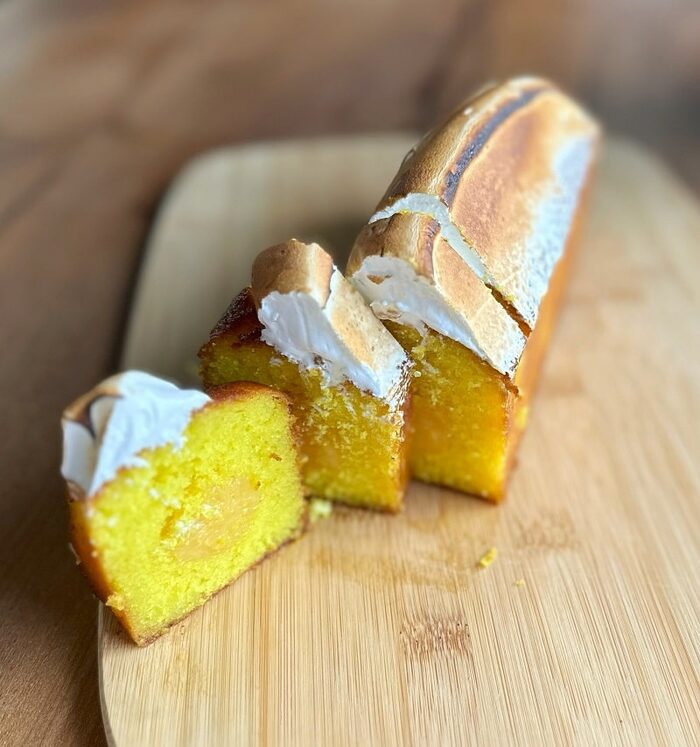
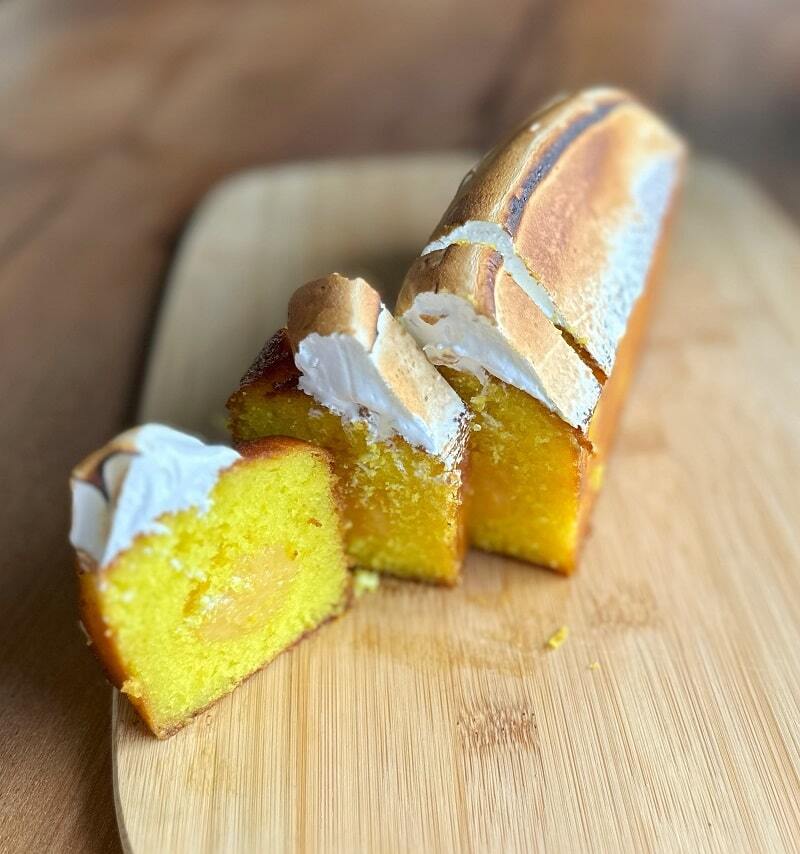
Everything you love in a lemon tartlet, rebuilt as a loaf: bright, sharp citrus against a tender, buttery crumb.
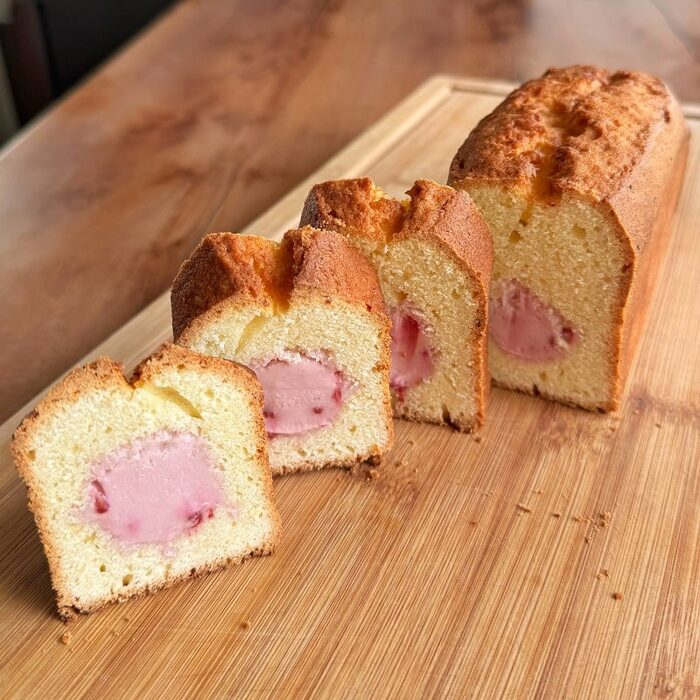
The homestyle classic reimagined, a creamy, tender crumb hiding a bright ribbon of raspberry in every slice.
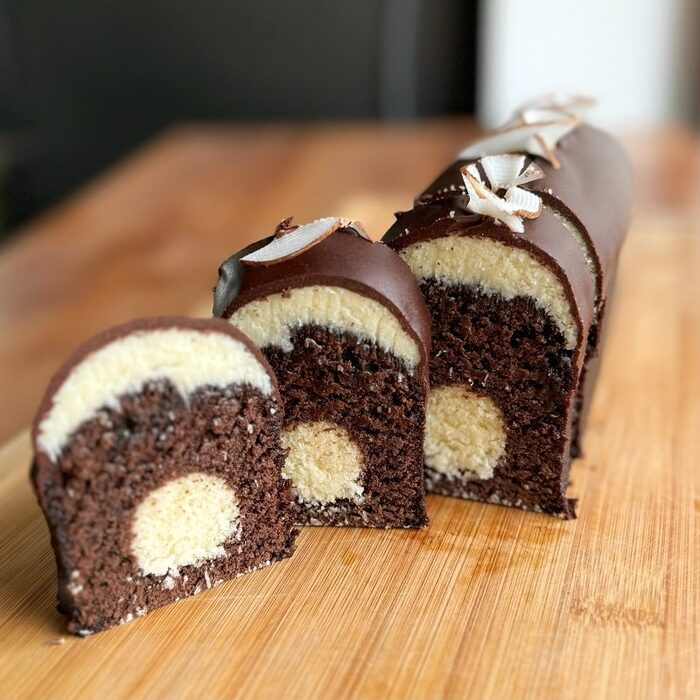
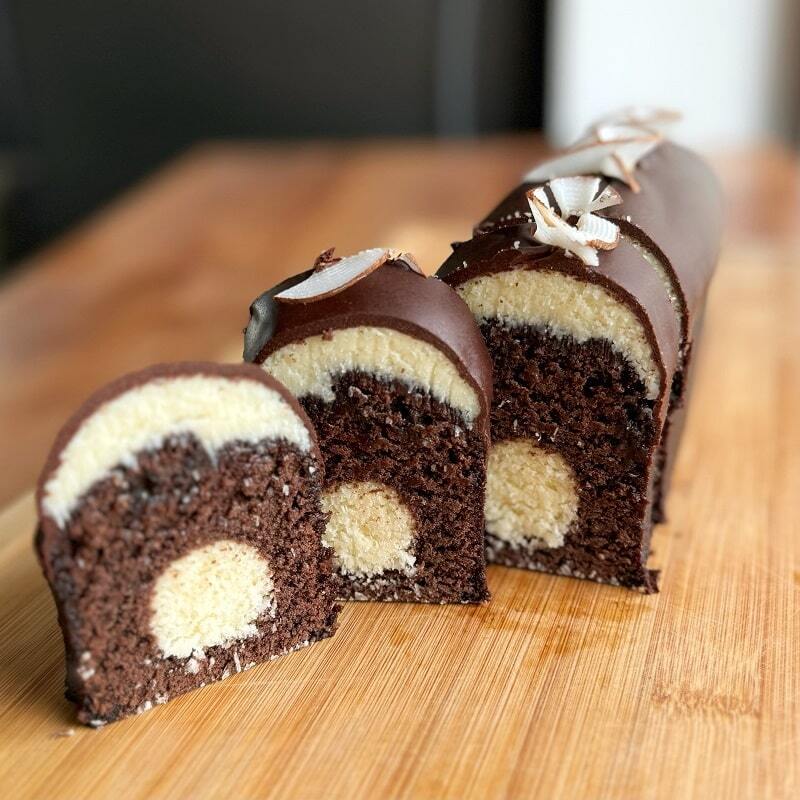
Deep chocolate crumb wrapped around two contrasting coconut fillings, so each slice travels from dark cocoa to creamy tropics.
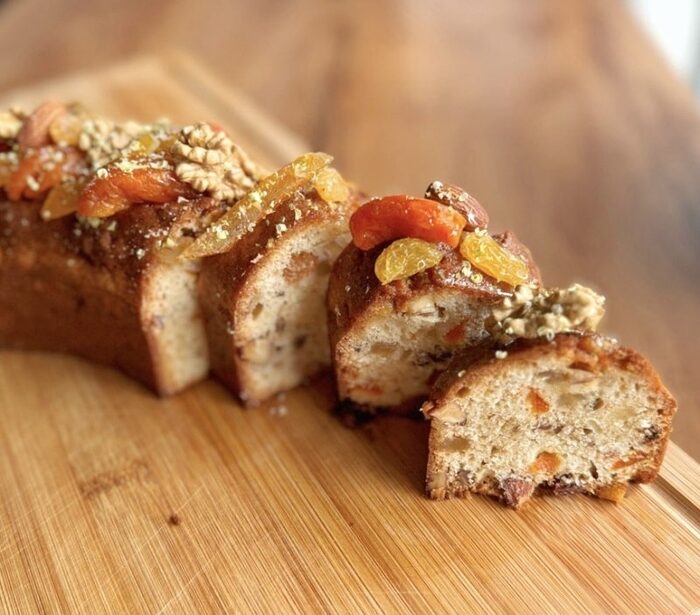
A classic crumb packed with dried fruits and warm spices, the kind that perfumes the kitchen before the oven opens.
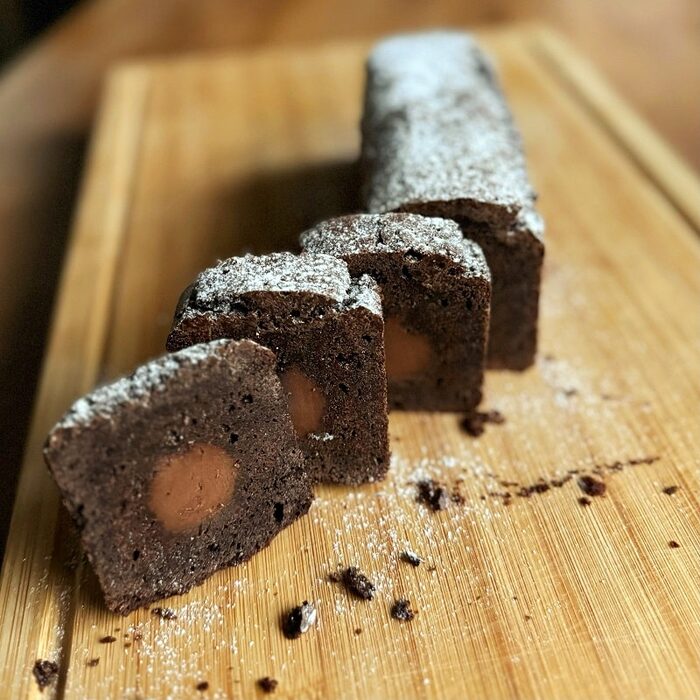
Dense and fudgy like a proper brownie, cut through with a silky chocolate cremeux that melts a beat later.
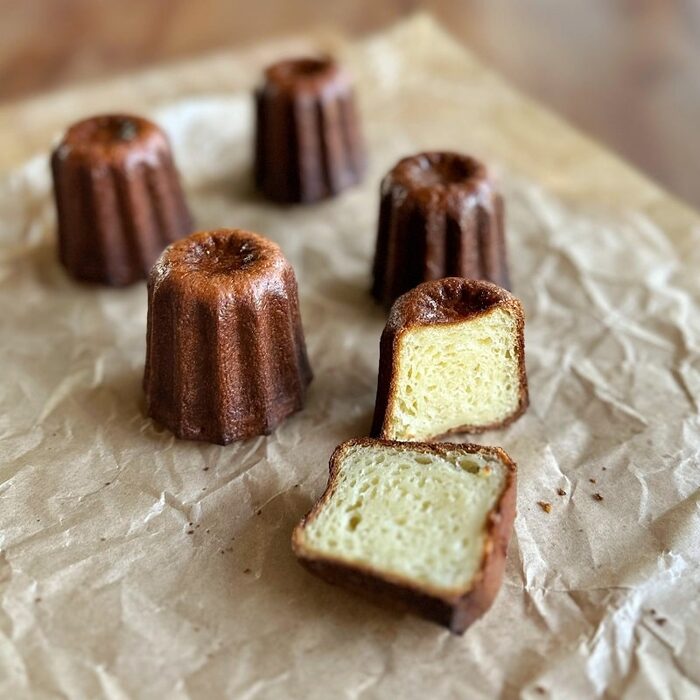
Bordeaux's famous paradox: a dark, crackling caramel crust that gives way to a soft, custardy center.
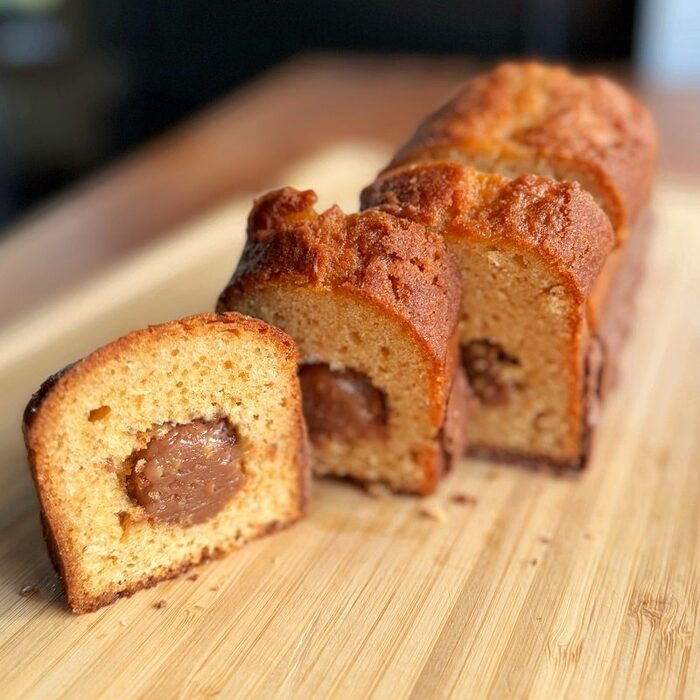
Crunchy, creamy and roasted-deep at once, three layers of peanut stacked in one loaf and tied together with caramel ganache.
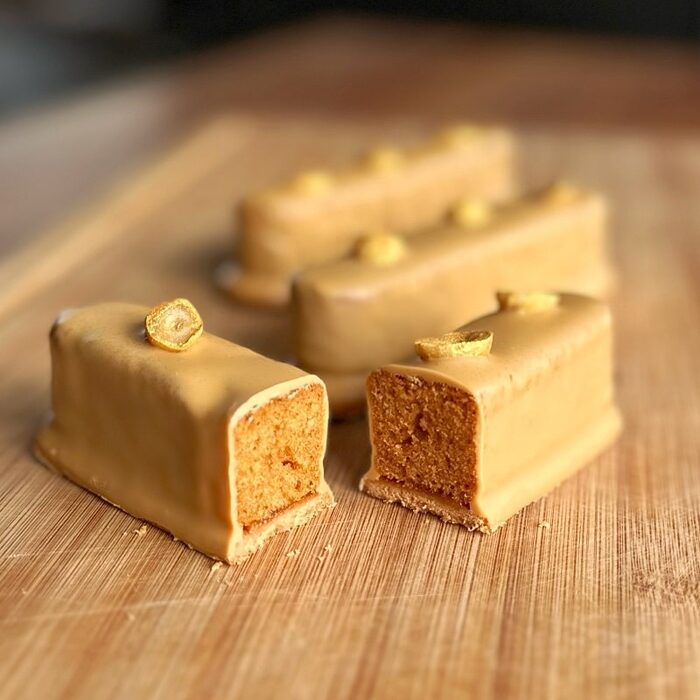
Single-serve showpieces with hazelnut praline and caramelized chocolate, small enough to plate and rich enough to end a dinner.
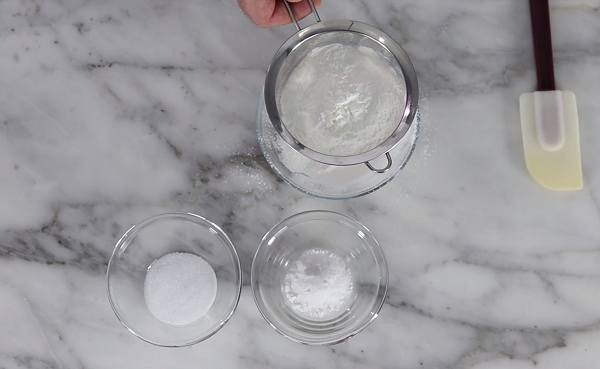
Theory and practice of mixing your own leavener, so the lift in your loaves is never the packet's decision.
.jpg)
“A loaf hides nothing. One cut down the middle, and everyone can see what the baker knew.”
I cut every test loaf straight down the middle before I taste it. The cross-section never lies: is the raspberry centered, did the cremeux hold its line, is the crumb even all the way to the edges. Building this course, I baked each recipe until the cut looked as good as the flavor, then filmed the version that behaves. In the lessons I hand you my own checkpoints: how thick the batter should ribbon, how cold an insert must be before it goes in, when a glaze is ready. So your first slice looks like my final one.
Every recipe is a clear video you can pause and rewatch, with a step-by-step PDF guide to bake from.
Mix the batter, place the filling and bake in your own kitchen, with the build order fresh in mind.
On Studio and Signature, send a photo of your loaf and its cut and get specific fixes instead of guesses.
Self-starters take Essentials. Bakers who want a second pair of eyes on every bake take Studio. And if you want the peanut and hazelnut showpieces plus lifetime access, Signature is your plan.
Every plan is a one-time payment with instant access and a 14-day money-back guarantee.
Change your mind within 14 days of purchase and we will refund you.
Finish the lessons and homework on Studio or Signature and receive your certificate.
On Studio and Signature, the team reviews your work and answers questions for 12 months.
One year of access on Essentials and Studio. Lifetime access on Signature.
How long do I keep access to the course?
Essentials and Studio include access for 1 year from enrollment. Signature comes with lifetime access to all 9 lessons and every future update to the course.
I have never baked a filled loaf. Can I keep up?
Yes. Every recipe is built from the batter up, and each step comes with the why: how thick the batter should ribbon, how cold an insert needs to be before it goes in. Beginners bake alongside the video; experienced bakers just move faster. All levels welcome.
What equipment do I need?
A home oven, a hand or stand mixer, a kitchen scale and standard loaf pans cover most of the course. Caneles need their own molds (copper is traditional, silicone works well), and the mini cakes use small molds. Every lesson lists its tools in the PDF guide before you bake.
I took Modern Loaf Cakes 1.0. What does 2.0 add, and which should I start with?
1.0 teaches the classic batters: honest, single-flavor loaves done right. 2.0 assumes you can bake a loaf and moves on to layered fillings, multi-texture inserts, the mini-cake format and caneles. New to loaves? Start with 1.0. Loaves come out well but taste one-note? This is your course. The recipe lists do not overlap.
What is the real difference between the plans?
The core is identical in every plan: five loaves, the caneles and the baking powder bonus. Essentials is self-guided. Studio adds a year of personal feedback, answers to your questions and a certificate after your final work. Signature adds the 3-Texture Peanut Cake, the Hazelnut Mini Cakes and lifetime access.
What if the course is not for me?
You have 14 days from purchase to request a full refund. Watch the first lessons, mix a batter, slice a loaf, and decide in your own kitchen, not from a sales page.
One build order keeps fillings centered and textures distinct: 9 lessons from the Lemon Cake 2.0 to your first true caneles. Stop guessing at the oven door and start slicing loaves that surprise people twice: once at the cut, once at the bite.