
Most homemade jam lands in one of two ditches: a runny syrup that slides off the spoon, or a stiff rubbery block that tastes of sugar and nothing else. This course gives you the technology behind a clean, glossy set and a bright fruit flavor, so the result is right every time instead of a guess.
It is almost never a bad recipe. It is that no one taught you the setting point, the acid balance, and the dry matter that decide whether the jar comes out glossy and fruit-forward or thin, dull, and cloying.
One pot pours like syrup, the next sets into a stiff block you could bounce. Without knowing the setting point you are gambling on every batch instead of aiming at a target.
Boil sugar too long and the fruit disappears under a flat caramelized sweetness. The berry you started with is gone, and every jar tastes roughly the same.
A jar goes murky, the color browns, or it spoils weeks after you made it. When the pH and dry matter are off, the preserve looks wrong on the shelf and does not keep.
You stop chasing recipes and start controlling the three levers that make a preserve: sugar, pectin, and acid. Once you can read them, any fruit becomes a jar with a clean gel and a flavor that still tastes like the fruit you picked.
By the end you can walk up to any fruit on the counter and know exactly how to turn it into a clean, glossy jar that tastes of the fruit.
Concrete skills you carry into every jar you make from here on, whether it is for your own kitchen, a display case, or sale.
You start with the tools, the ingredient theory, and one base mono-confiture, then work through 15 named flavors, from classic fruit pairings to savory jams built for cheese and meat boards. The source page counts differ, so we quote an honest 17-20 lessons; the 15 named flavors and 3 Signature bonuses below are the confirmed lineup.
The whole toolkit and the theory behind sugar, pectin, and acid, so every flavor after this makes sense instead of feeling like a memorized recipe.
A single fruit, no complex blend, cooked to a clean set. This is where the setting point stops being a mystery and becomes something you can aim at.
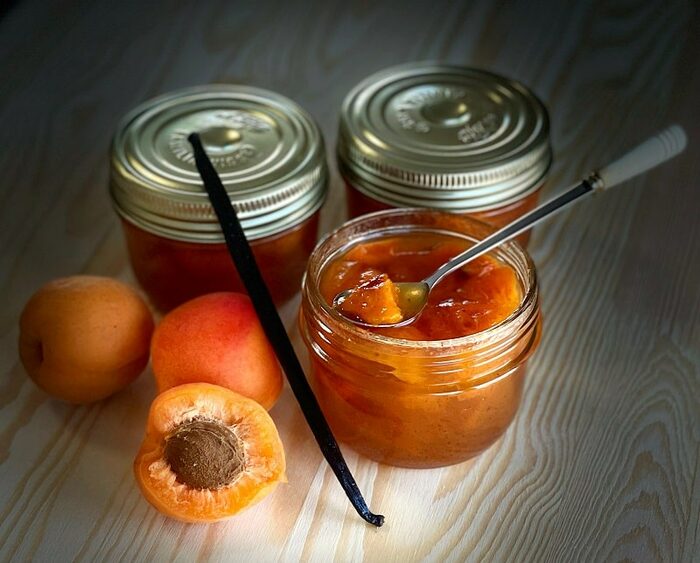
Sunny and velvety, the vanilla rounding the apricot without burying it.
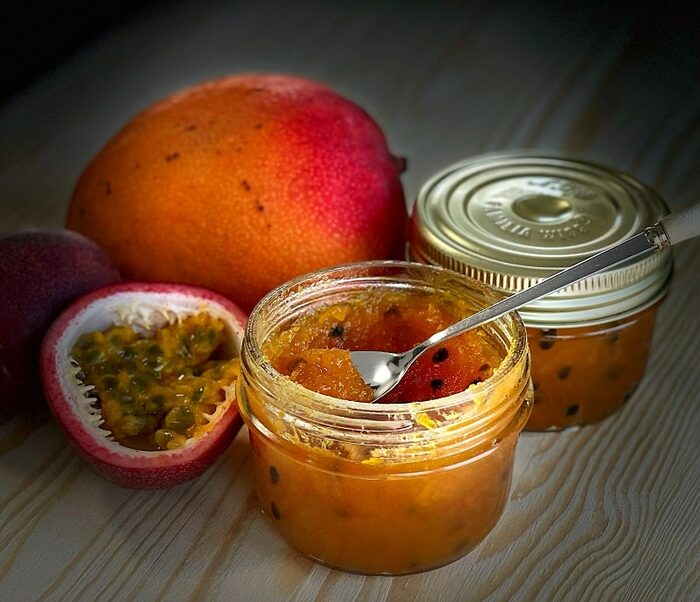
Full tropical fruit with a bright, lifting acidity.
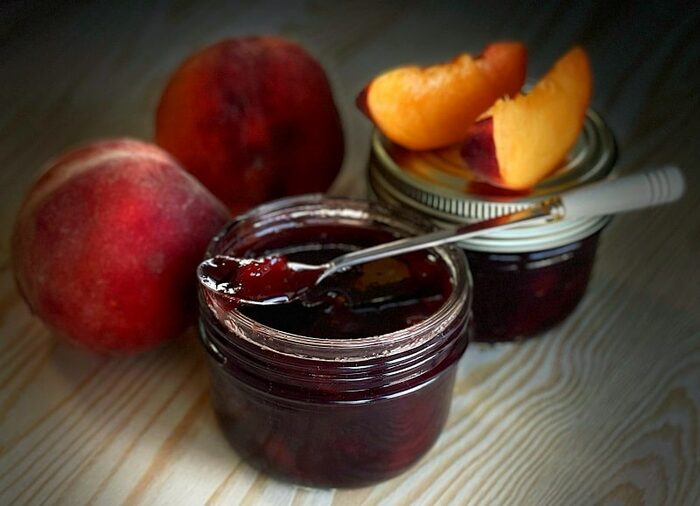
A noble aroma and a deep color, the wine giving the peach real depth.
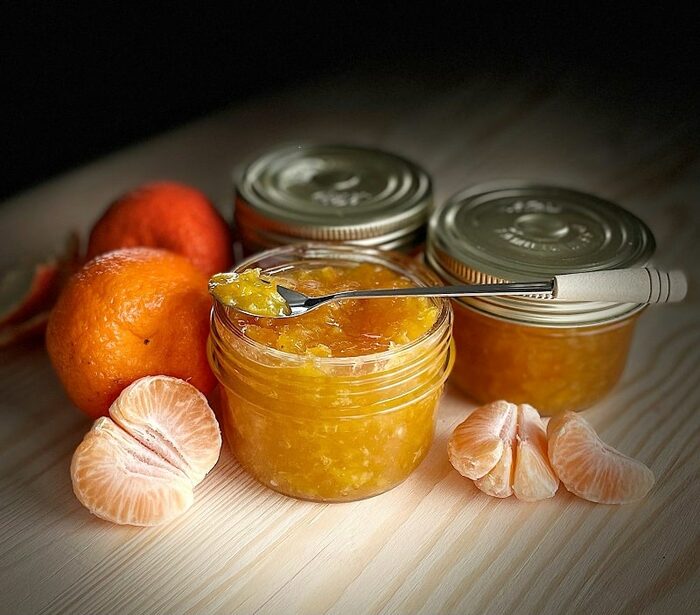
A burst of freshness, two citrus fruits stacked for brightness.
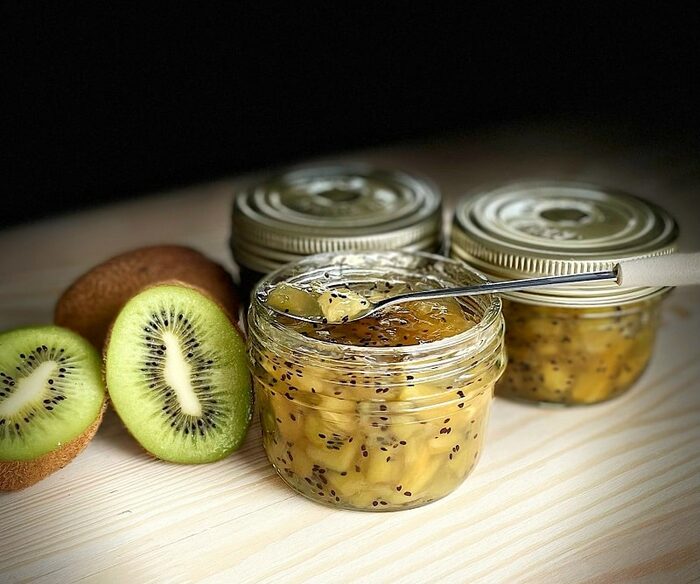
Tropical brightness with the little crunch of kiwi seeds.
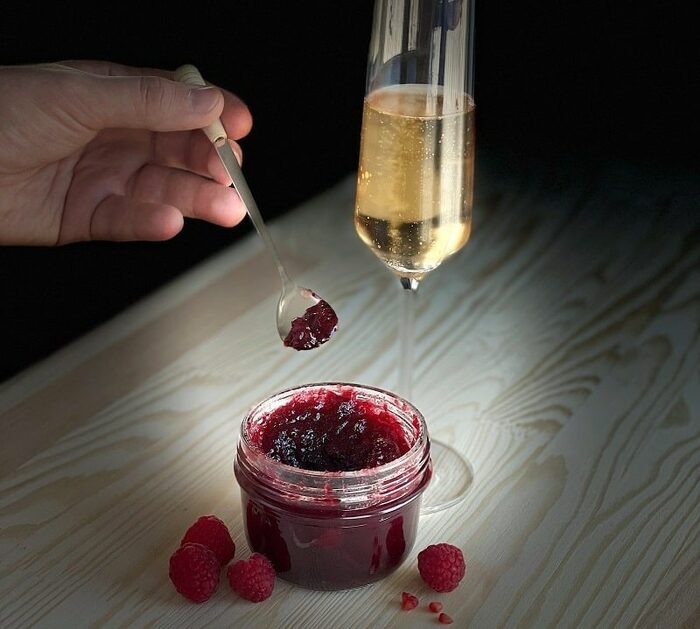
A sparkling top note over a silky, smooth texture.
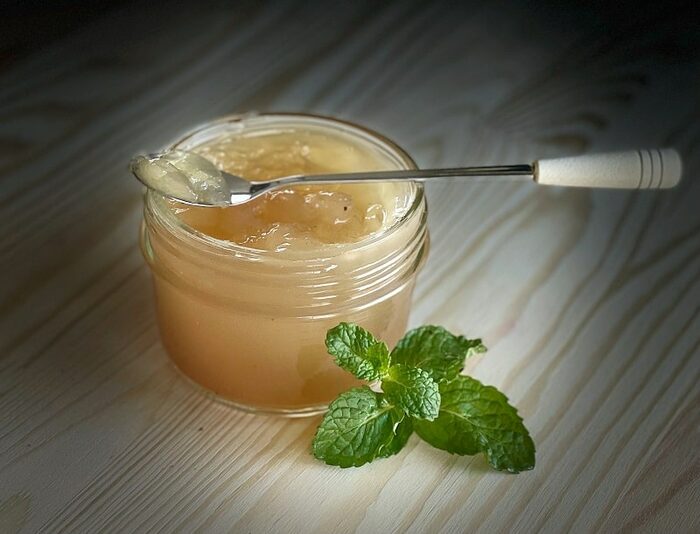
Cool, fresh, and set into a soft, clean gel.
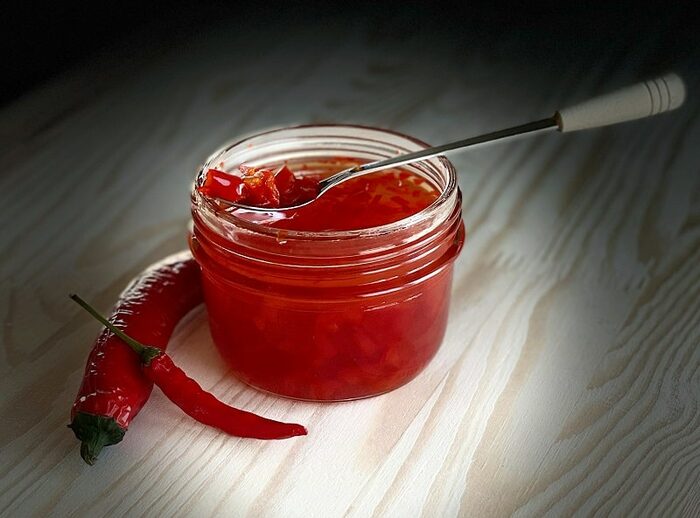
Sweet and hot in balance, the savory-leaning jar for a cheese board.
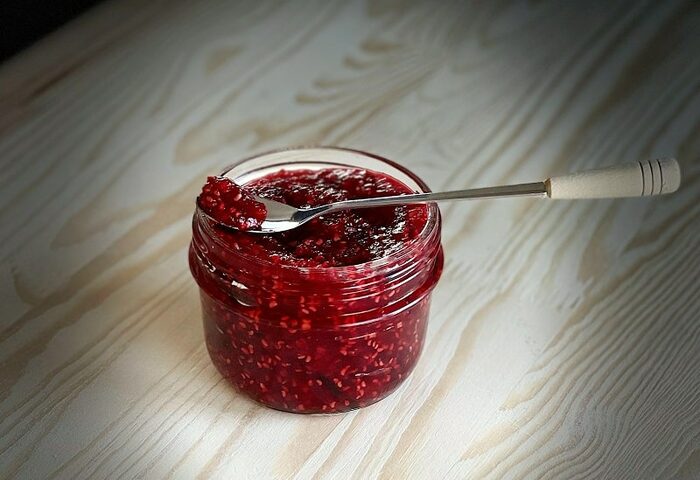
A layered, complex take on raspberry with a herbal lift.
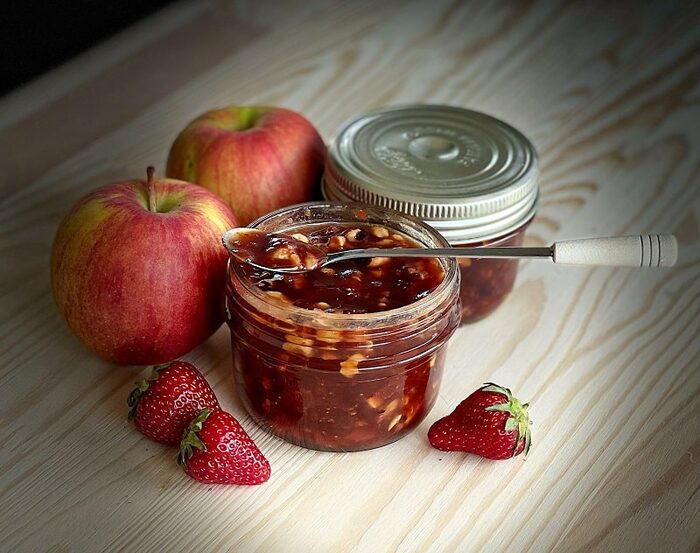
Bright fruit with a warm, nutty finish trailing behind it.
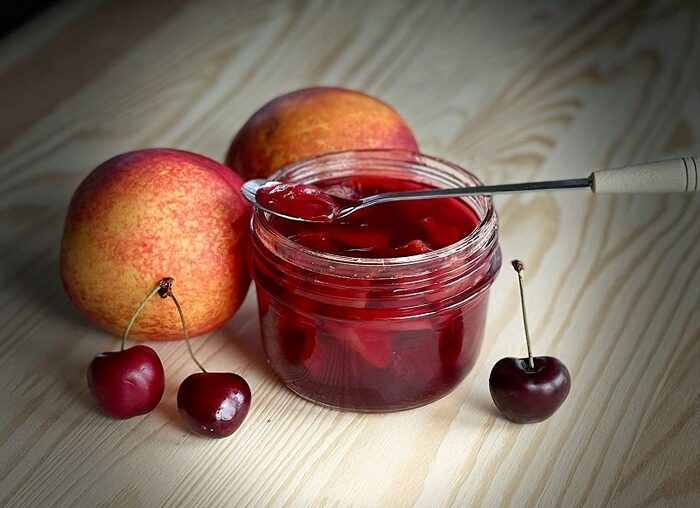
A ruby color and a juicy, tart edge.
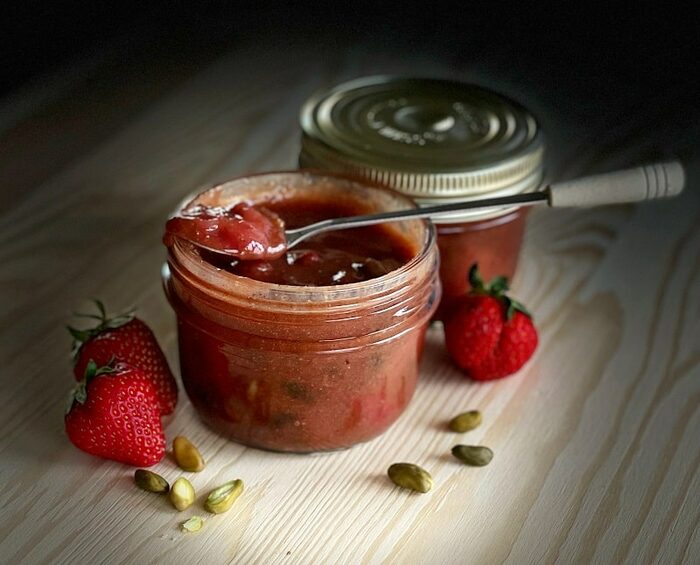
A dense, dessert-style jar with real body.
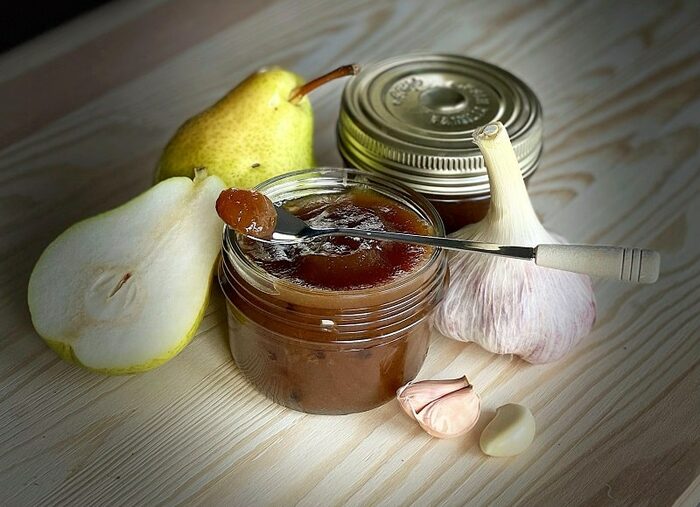
Sweet and savory at once, built to sit next to cheese.
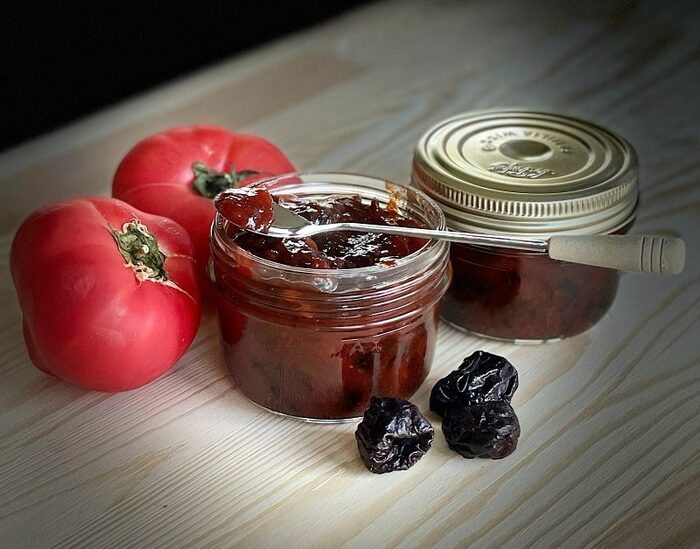
A caramelized profile with genuine gastronomic depth.
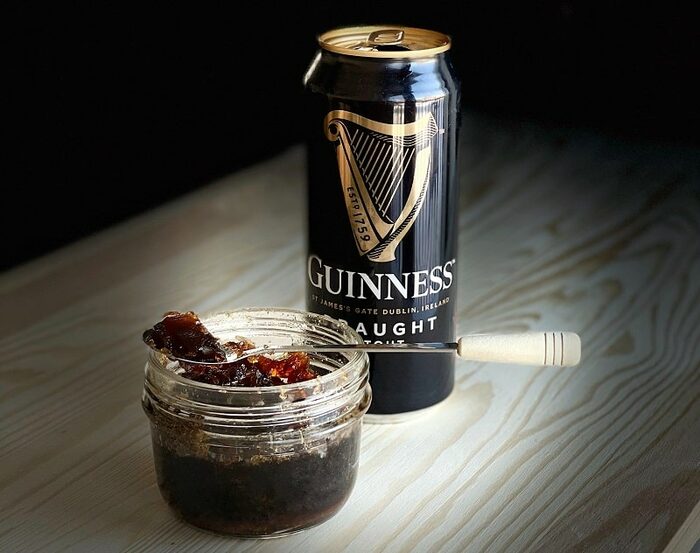
A deep gloss and a malty aroma, the jar that belongs with meat.
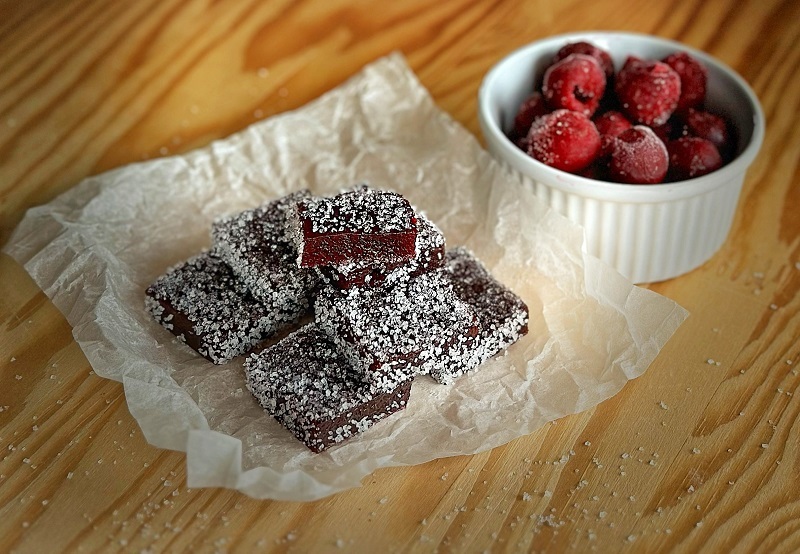
Chocolate fruit jellies, a set jelly confection that stretches the range beyond the jar.
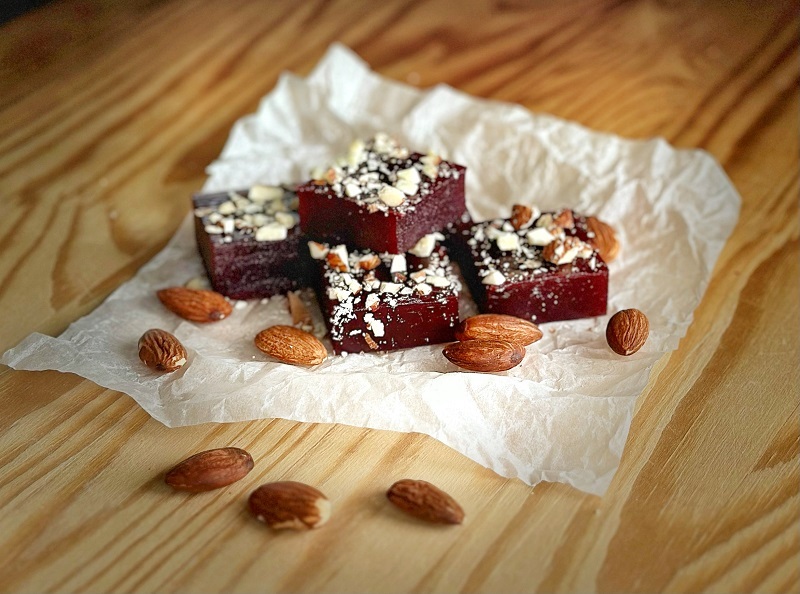
Nut-based fruit jellies, deeper and rounder than the classic set.
A clean, aromatic coffee jelly to close out the Signature set.
“A good jar is technology, not luck.”
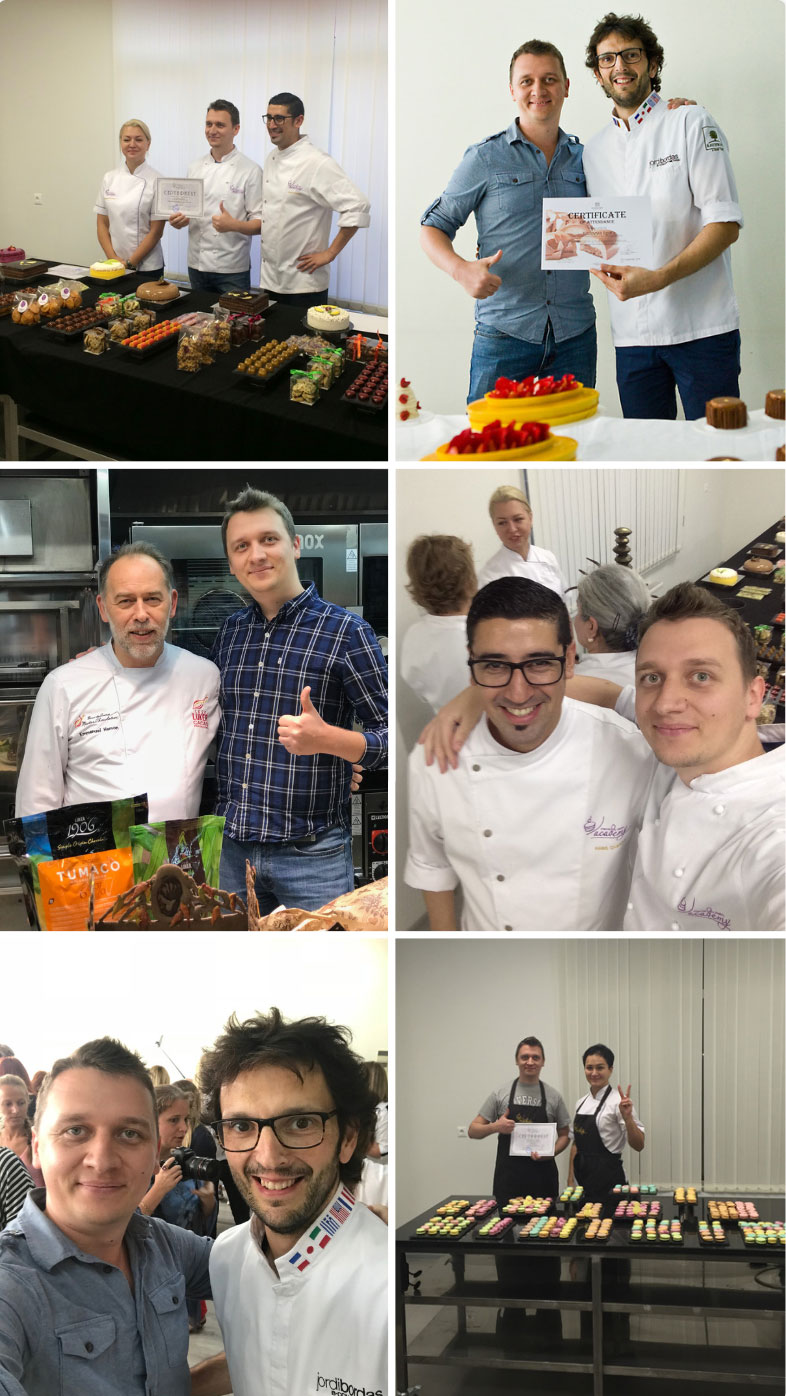
For years I watched talented cooks make the same jam twice and get two different results, one syrup, one rubber, and blame the fruit. It is almost never the fruit. It is the balance of sugar, pectin, and acid, and the setting point no one ever showed them how to read. In this course I hand you the same universal formula and the same simple Brix and pH checks I use in production, so you can take any fruit and set it clean, keep it bright, and even push into savory jams built for cheese and meat. My background runs from 400 hours of training with chefs like Hans Ovando and Jordi Bordas to running a real 700 square meter food production, and everything here is built to work at home, behind a display case, and on a shelf you sell from.
Every technique is a clear video you can pause and rewatch, with a downloadable guide to work from.
Cook it in your own kitchen, step by step, with the theory fresh in mind.
On Studio and Signature, send your work to the team and get specific fixes instead of guesses.
Every plan includes the foundations and all 15 named flavors. Pick the level of feedback and access that fits you. 14-day money-back guarantee on every plan.
Every plan is a one-time payment with instant access and a 14-day money-back guarantee.
Change your mind within 14 days of purchase and we will refund you.
Finish the lessons and homework on Studio or Signature and receive your certificate.
On Studio and Signature, the team reviews your work and answers questions for 12 months.
One year of access on Essentials and Studio. Lifetime access on Signature.
How is this different from your Sweet Jars course?
This course is about fruit preserves, real French-style confitures made from fruit with a clean set. Sweet Jars is about chocolate and nut spreads, the pastes you spoon onto bread. If you want jars of fruit jam that taste of the fruit, you are in the right place; if you want chocolate and nut spreads, take Sweet Jars instead.
Do I need a refractometer?
You can work without one, but for precise, repeatable results I recommend it. The course shows you how to control Brix and pH with simple tools so you are hitting a target, not guessing.
Is this beginner friendly?
Yes. The course is built step by step, starting with the tools and ingredient theory, and it is all levels. There is no heavy academic theory, just what you need to set a clean jar.
How long does a confiture keep?
Made to the standard and stored correctly, up to 6 months without issue, and in practice often longer. The course covers pasteurization and storage so your jars hold up on a shelf.
Are the savory jams really jams?
Yes. Flavors like pear and garlic, tomato and prune, and beer confiture use the same setting technology as the sweet ones, just built to sit alongside cheese and meat instead of on toast.
Is there a certificate?
Yes, on the Studio and Signature plans, along with homework review in a private area. Essentials is self-guided without a certificate.
Learn the formula, the setting point, and the simple checks that turn any fruit into a clean, glossy jar that tastes of the fruit. All 15 flavors, all levels, with a 14-day money-back guarantee.