
Chef Egor Kozlovskii teaches the texture science behind frozen desserts: 15 video lessons, 12 recipes, with or without a machine. You learn why ice cream turns grainy and how to guarantee it never does, so you fix a failing batch instead of starting over.
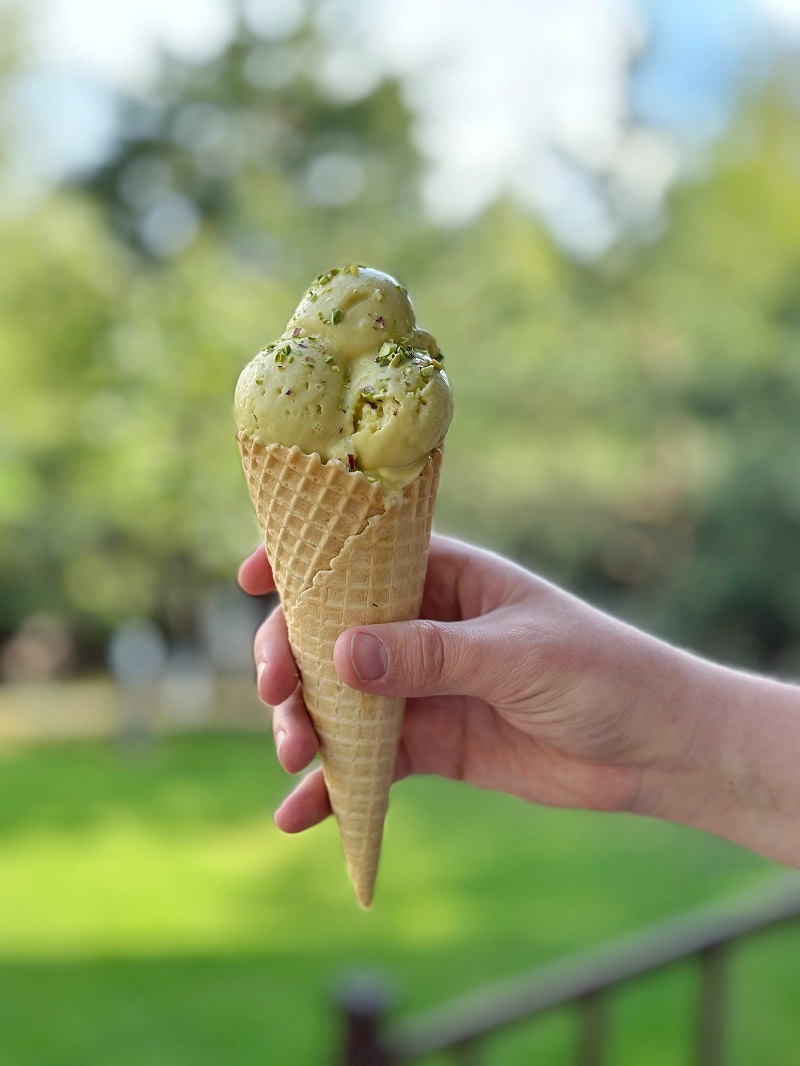
If your batches come out icy, grainy or frozen solid, nothing is wrong with you or your freezer. Something is off in the base, and it has a name.
You pull the tub out after dinner and the spoon bends before the surface gives. Twenty minutes on the counter later, it's soup at the edges and stone in the middle.
You churned for forty minutes, froze it overnight, and the first spoonful crunches. Crystals grew because the water in your mix had nothing holding it back.
You've half decided the fix is a $700 compressor machine. It's not. It's a few grams of the wrong sugar, invisible until you know where to look.
Recipes tell you what to pour. This course teaches you what every gram is doing at minus eighteen degrees, then proves it twelve times.
Cold is free. Creamy is chemistry.
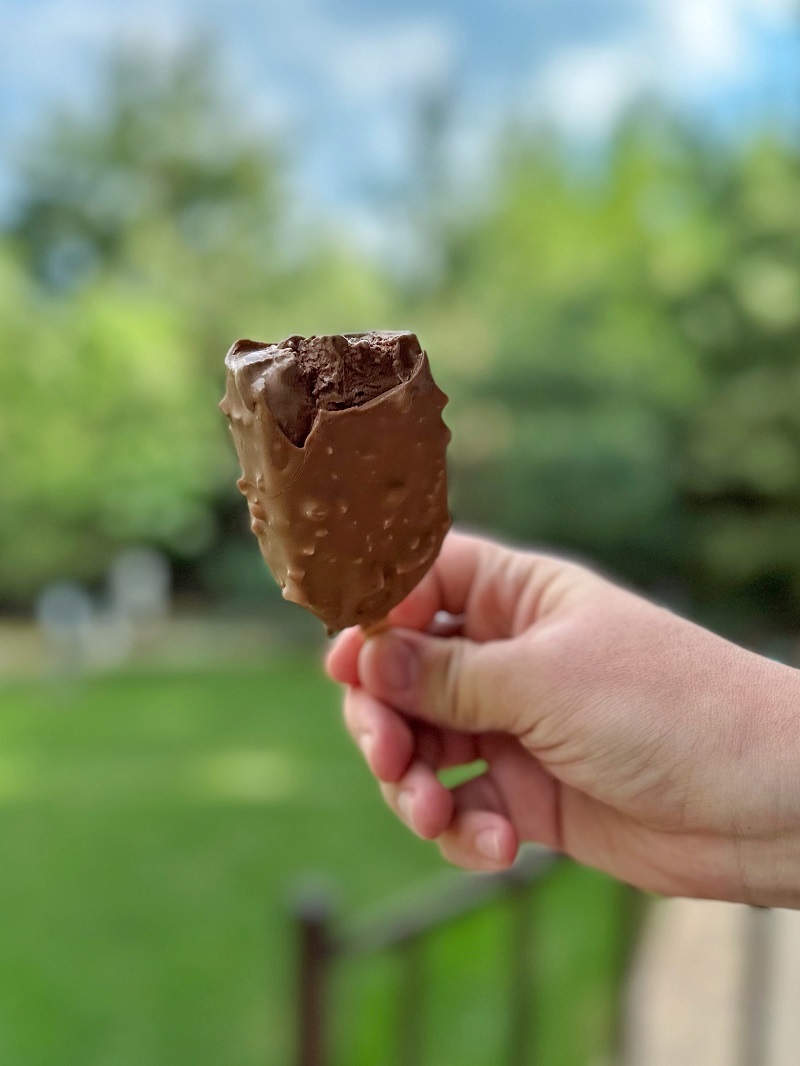
Most courses hand you recipes and hope. This one starts with the mechanics of cold, so every recipe afterwards makes sense, and every failure becomes fixable.
What actually separates ice cream from gelato, semifreddo, sorbet, granita and popsicles, plus the tools worth owning for each.
What they are, what they are made of and how they work: why glucose keeps a sorbet soft, and which stabilizer stops crystals before they start.
Compressor, bowl or no machine at all: the honest pros and cons of each, whether you need one in the first place, and what dry ice or liquid nitrogen can do in a pinch.
Ready-made math tables for fat, liquid, sugars and aeration: plug in your numbers and texture stops being luck.
Fifteen lessons from now, this is your freezer.
Twelve desserts across every frozen family: ice cream, gelato, sorbet, granita, semifreddo and bars. Theory first, machine optional throughout.
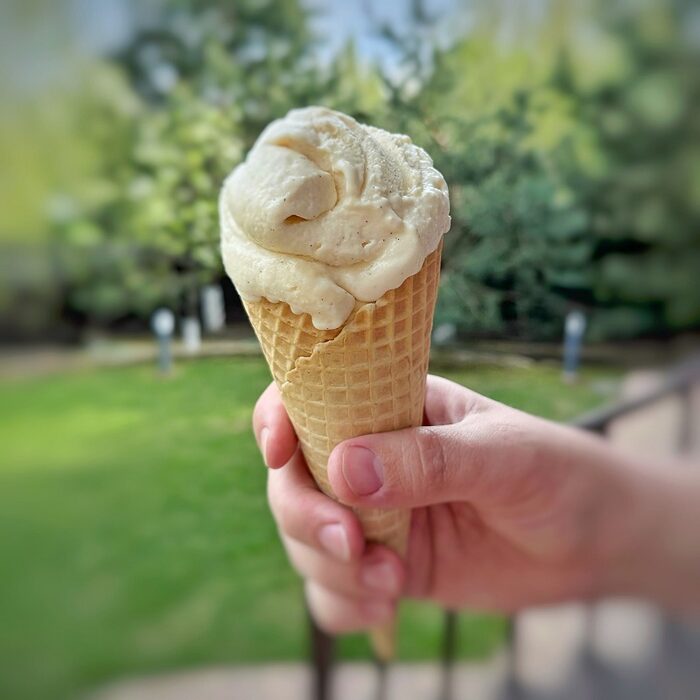
The classic made twice, as a custard base and an eggless base, so you taste exactly what yolks do to texture.
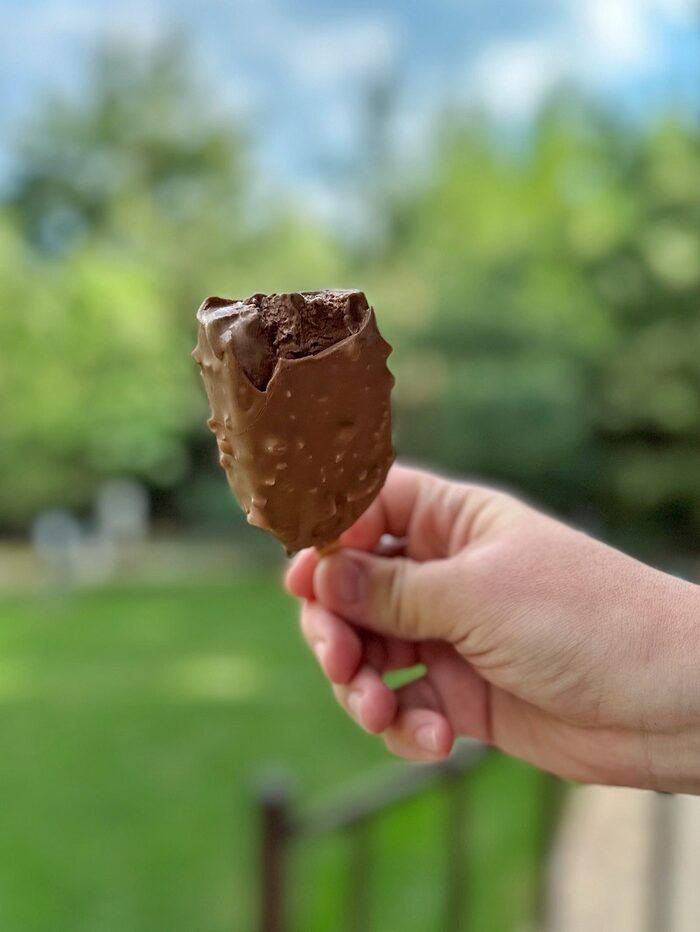
Dark, dense chocolate ice cream dipped in a nut-studded coating that cracks under your teeth before melting.
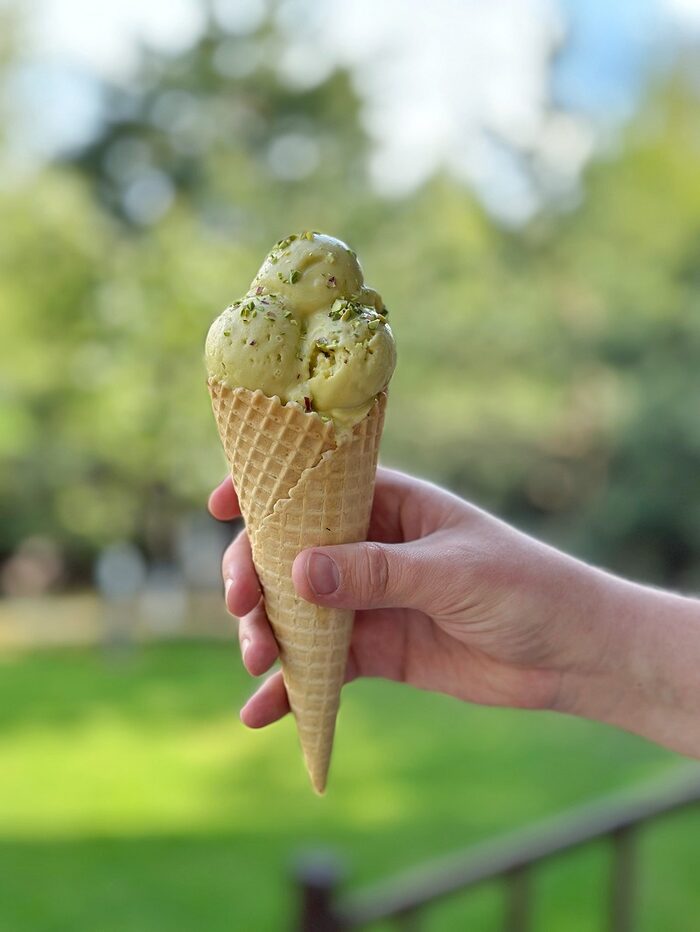
Slow-melting, stretchy and intensely nutty: the benchmark every gelateria in Italy is judged by.
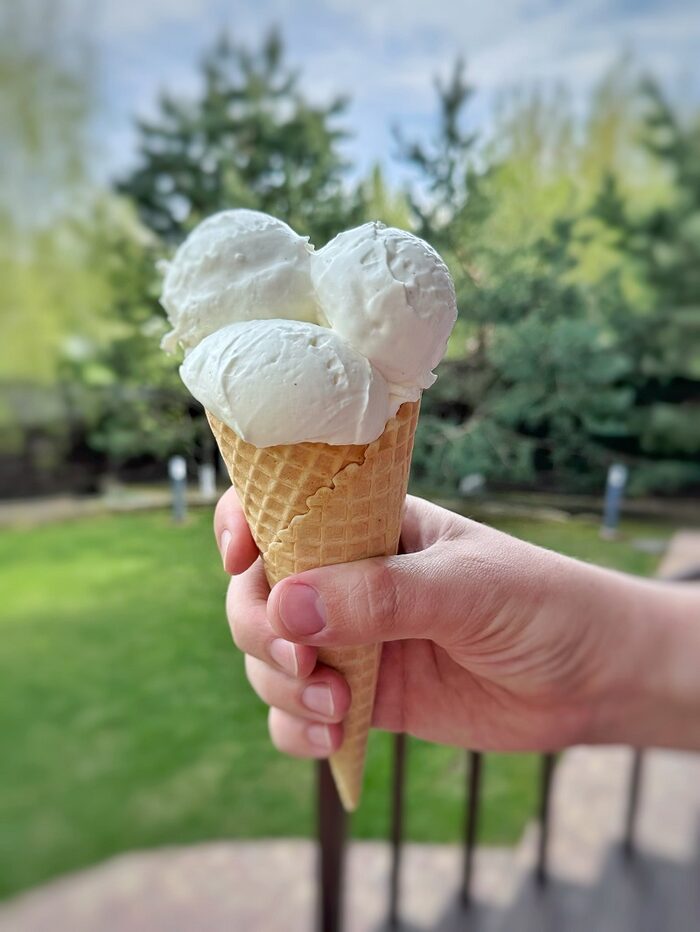
Silky and scoopable with nothing beyond a whisk and your freezer: proof the hardware was never the secret.
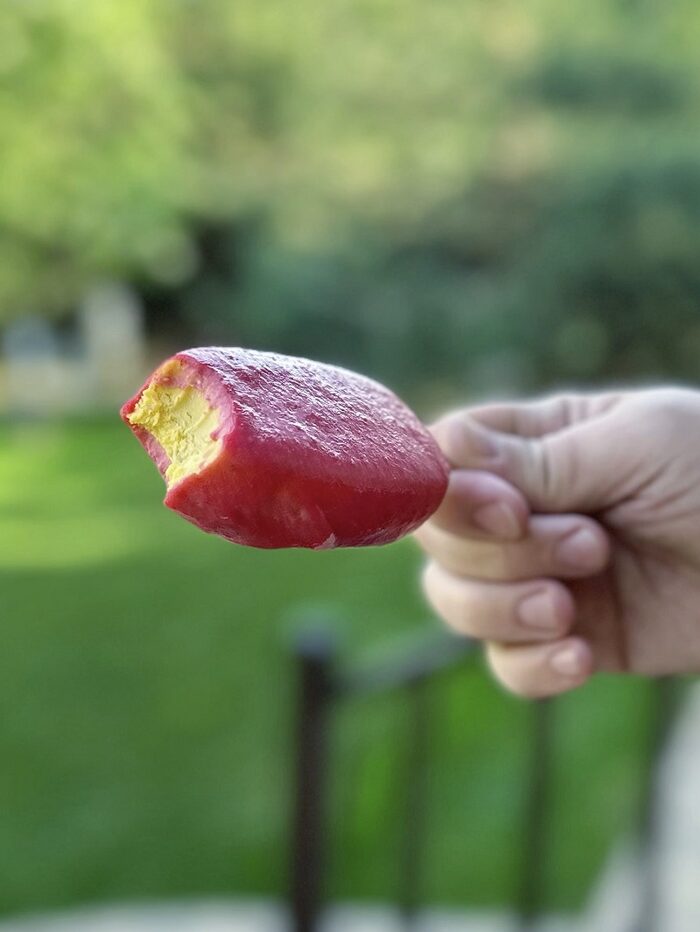
Ripe mango frozen velvet-smooth, dipped in a tart berry glaze that sets glossy in seconds.
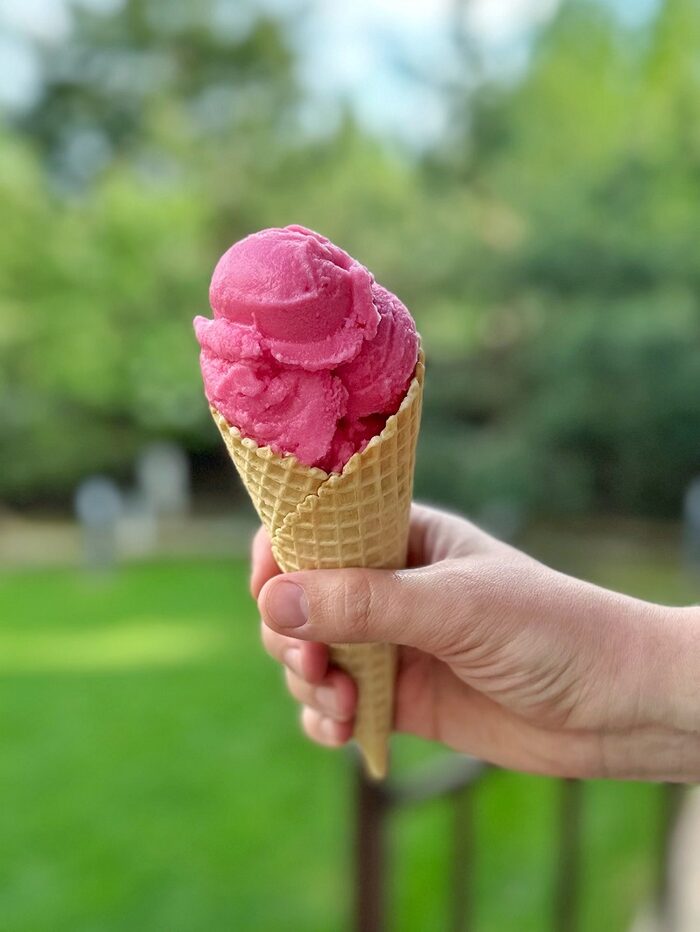
Jewel-red, tart and impossibly smooth, with none of the crunch that betrays a homemade sorbet.
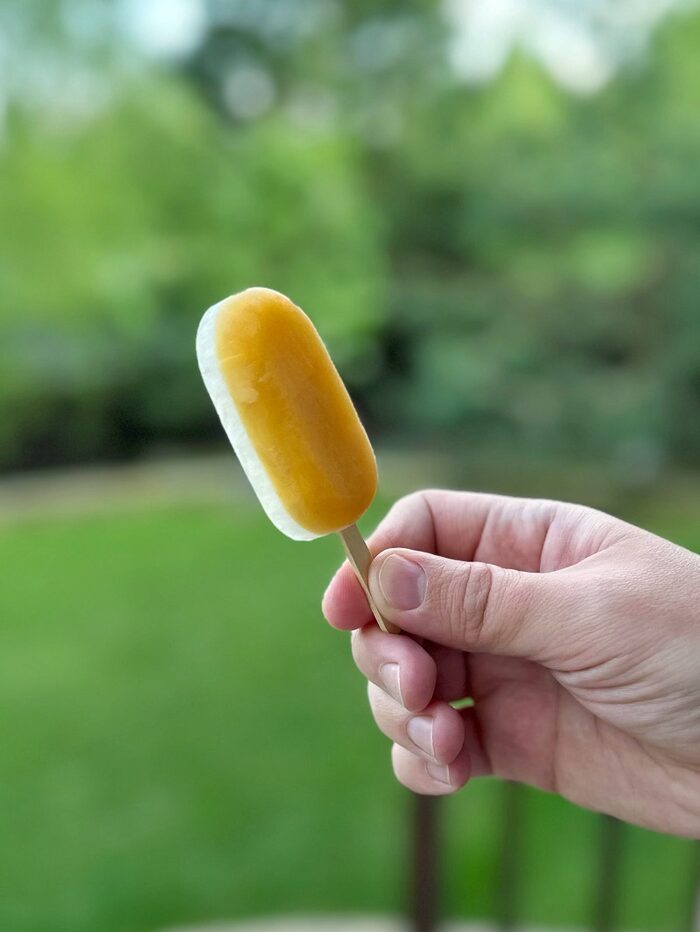
Two layers on one stick, velvety peach below and pale champagne above: a frozen cocktail with a grown-up bite.
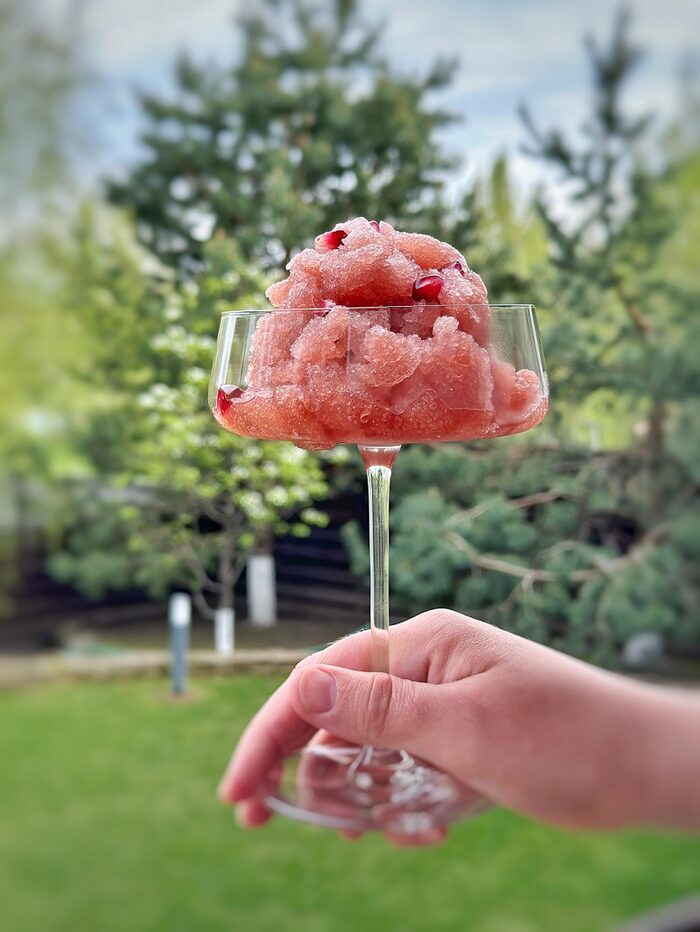
Coarse ruby crystals you rake loose with a fork: the one dessert where ice is the whole point.
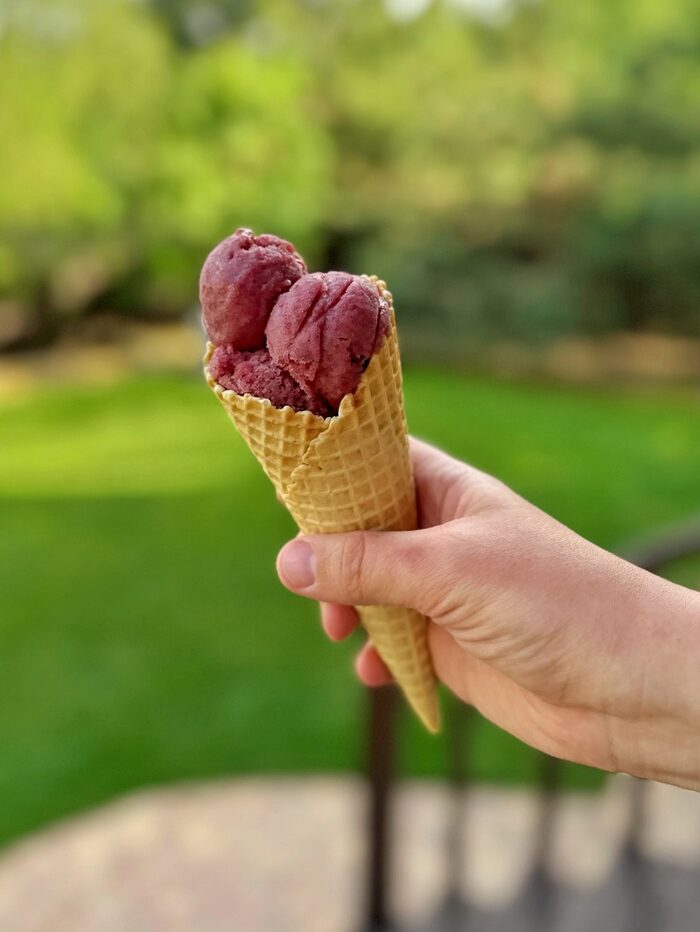
Winter in a scoop: red wine, citrus and spice, balanced so the alcohol warms without wrecking the freeze.
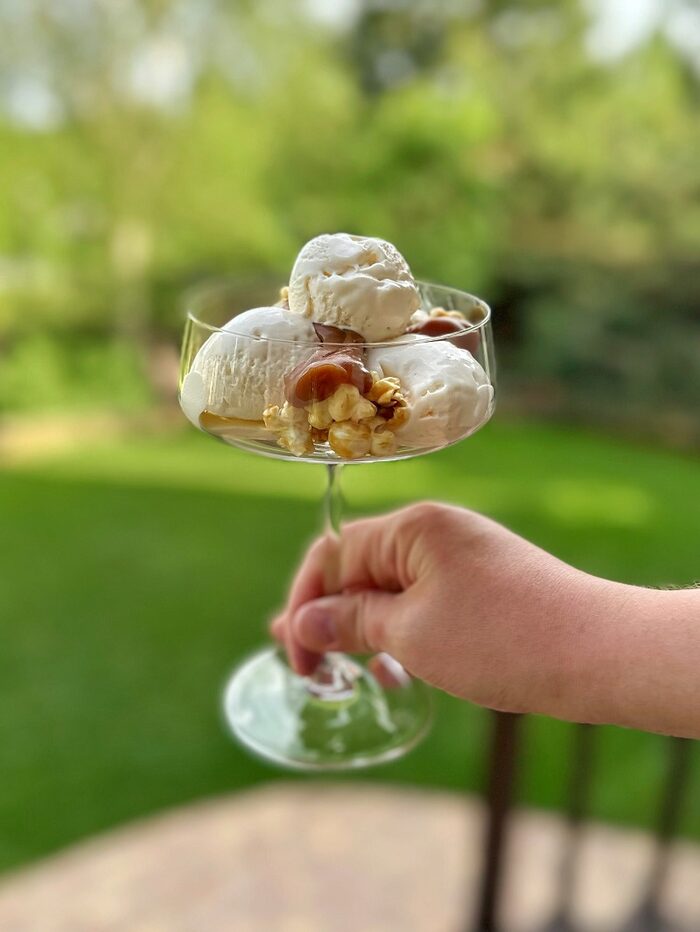
Buttered popcorn steeped into the base and ribboned with caramel: the flavor nobody can place and everybody finishes.
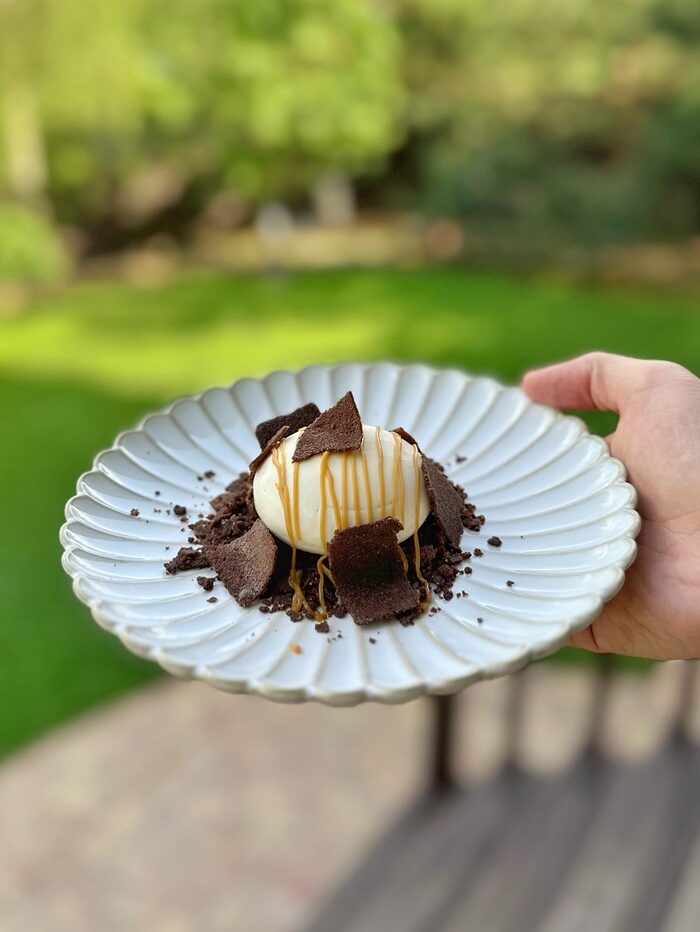
Half-frozen espresso mousse you slice like a cake: airy, cold and no machine in sight.
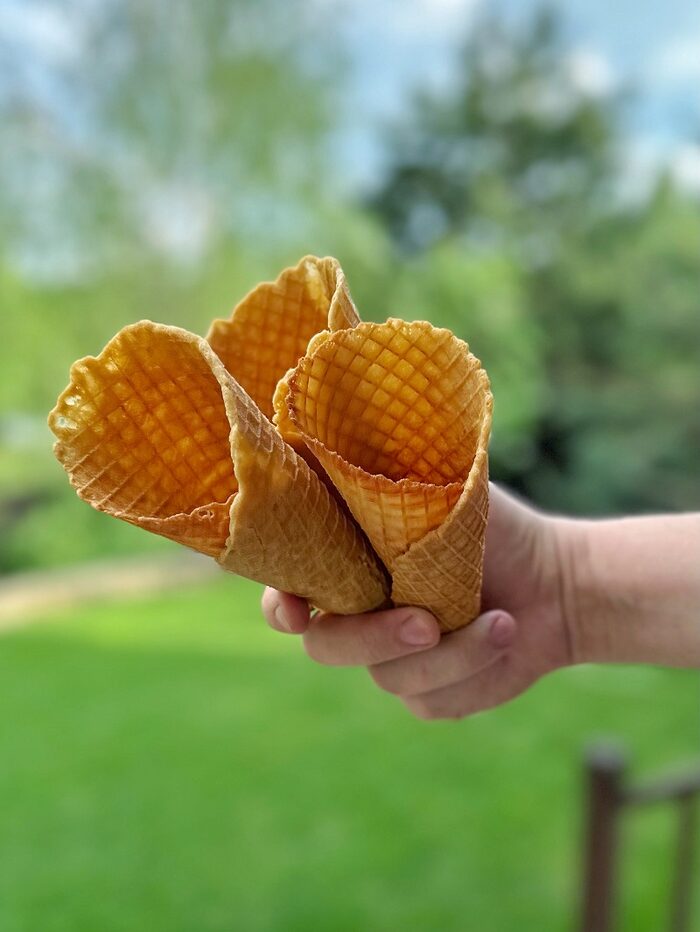
Thin, snappy cones rolled warm off the iron, because a scoop this good deserves better than a bowl.
Mint, passion fruit gelato, almond, coffee-chocolate and more: twenty tested formulas that bring your library to 32 recipes.
The balancing math behind every base, so you can invent a flavor on Tuesday and churn it perfectly on Wednesday.
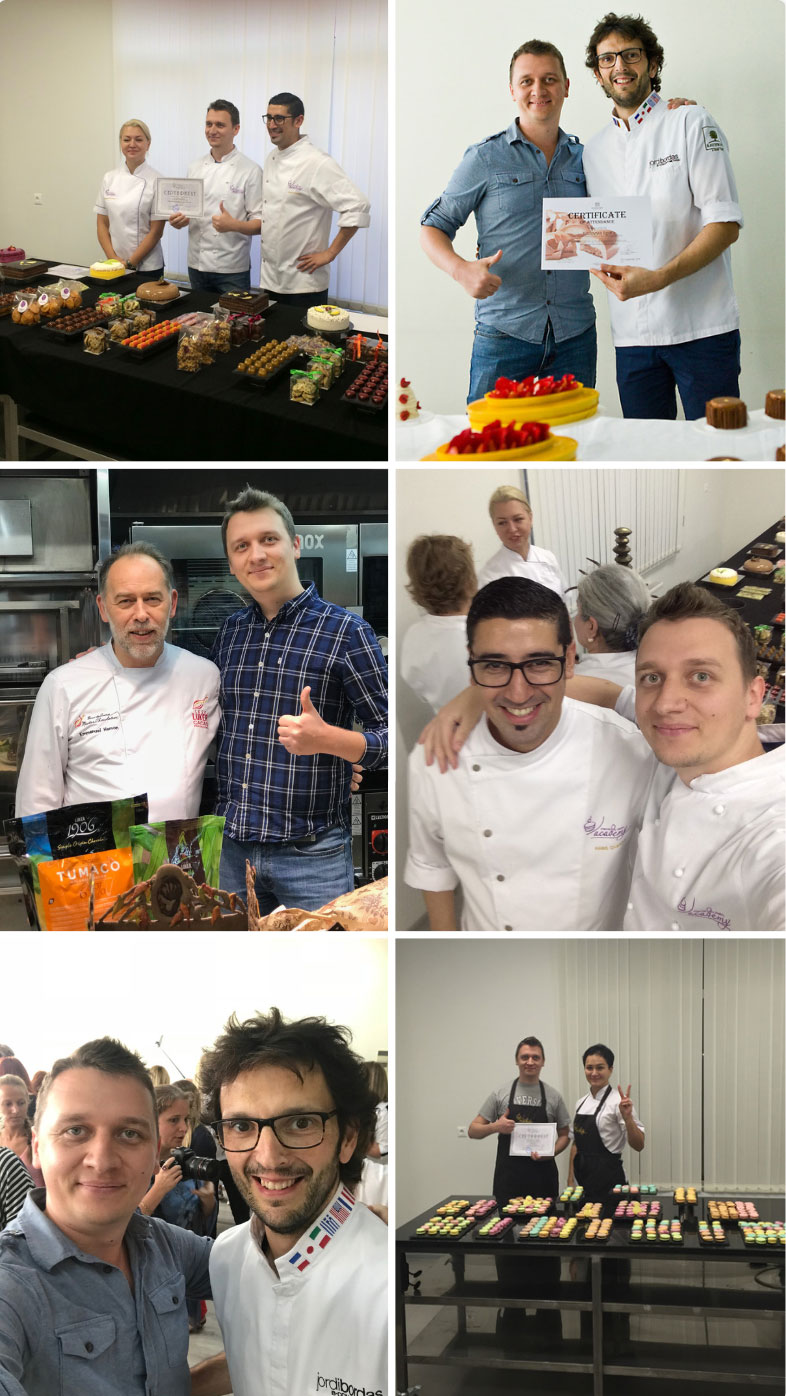
“Nobody fails at ice cream because their hands are wrong. They fail because water freezes into crystals unless every other ingredient is there to stop it. Once you learn to balance a mix, the freezer stops being a lottery.”
I'm Egor Kozlovskii, founder of LeChefio. Frozen desserts humbled me more than any cake ever did. I remember standing at an open freezer at two in the morning, stabbing a spoon into a pistachio gelato that had been perfect eight hours earlier, trying to work out what betrayed me. The answer wasn't in any recipe. It was in the numbers: fat, liquid, sugars, air. I built my balancing tables so I'd never guess again, and in this course you get them on day one. Then we churn twelve desserts together until the numbers become instinct.
Every recipe is a clear video you can pause and rewatch, with a downloadable PDF guide to work from.
Weigh, churn and freeze in your own kitchen, batch by batch, with the balancing tables at your elbow.
On Studio and Signature, send your batch to the team and get specific fixes instead of guesses.
Making ice cream for your own freezer? Essentials is everything you need. Want the team checking your texture and answering your questions? That's Studio. Want all 32 recipes, the recipe-building formulas and lifetime access? That's Signature.
Every plan is a one-time payment with instant access and a 14-day money-back guarantee.
Change your mind within 14 days of purchase and we will refund you.
Finish the lessons and homework on Studio or Signature and receive your certificate.
On Studio and Signature, the team reviews your work and answers questions for 12 months.
One year of access on Essentials and Studio. Lifetime access on Signature.
How long will I have access to the course?
Essentials and Studio include access to all lessons for 1 year from the day of purchase. Lifetime access, including every future update to the course, comes with the Signature plan only.
I've never made ice cream in my life. Will I manage?
Yes. The course assumes zero experience: three theory lessons explain every dessert type, every tool and every ingredient before you start, and all 12 recipes are filmed step by step. The first recipe is vanilla, taught two ways. All levels welcome.
Do I need an ice cream machine or special equipment?
No. One full theory lesson compares machines honestly, including whether you need one at all. Several recipes need no machine: the white chocolate ice cream, the semifreddo, the bars, the popsicles and the granita. Egor even shows dry ice and liquid nitrogen methods. A freezer, a whisk, a saucepan and a digital scale cover you.
What's the difference between the three plans?
Every plan includes all 15 lessons, the 12 video recipes, the balancing tables and the PDF guides. Studio adds a year of personal feedback on your batches and answers from the team, plus a certificate. Signature adds 20 written recipes, the recipe-building formulas and lifetime access.
Do I get a certificate?
Studio and Signature students receive a LeChefio certificate of completion after finishing the course. Essentials does not include a certificate.
What if the course isn't for me?
Every plan comes with a real 14-day money-back guarantee. Start the lessons, make a batch, and if the course isn't what you expected, write to us within 14 days of purchase and we'll refund you in full.
15 video lessons, 12 recipes, balancing tables that end the guesswork. With a machine or without one. And a 14-day money-back guarantee, so the only thing at risk is your excuse.