
Homemade pasta that comes out grey, gummy, and torn is a technique problem, not a talent problem. Across 32 lessons you build a base dough that rolls paper-thin without tearing, then move all the way to bright natural colors, rainbow sheets, and stuffed shapes that hold their filling. Savory Italian cooking, start to finish.
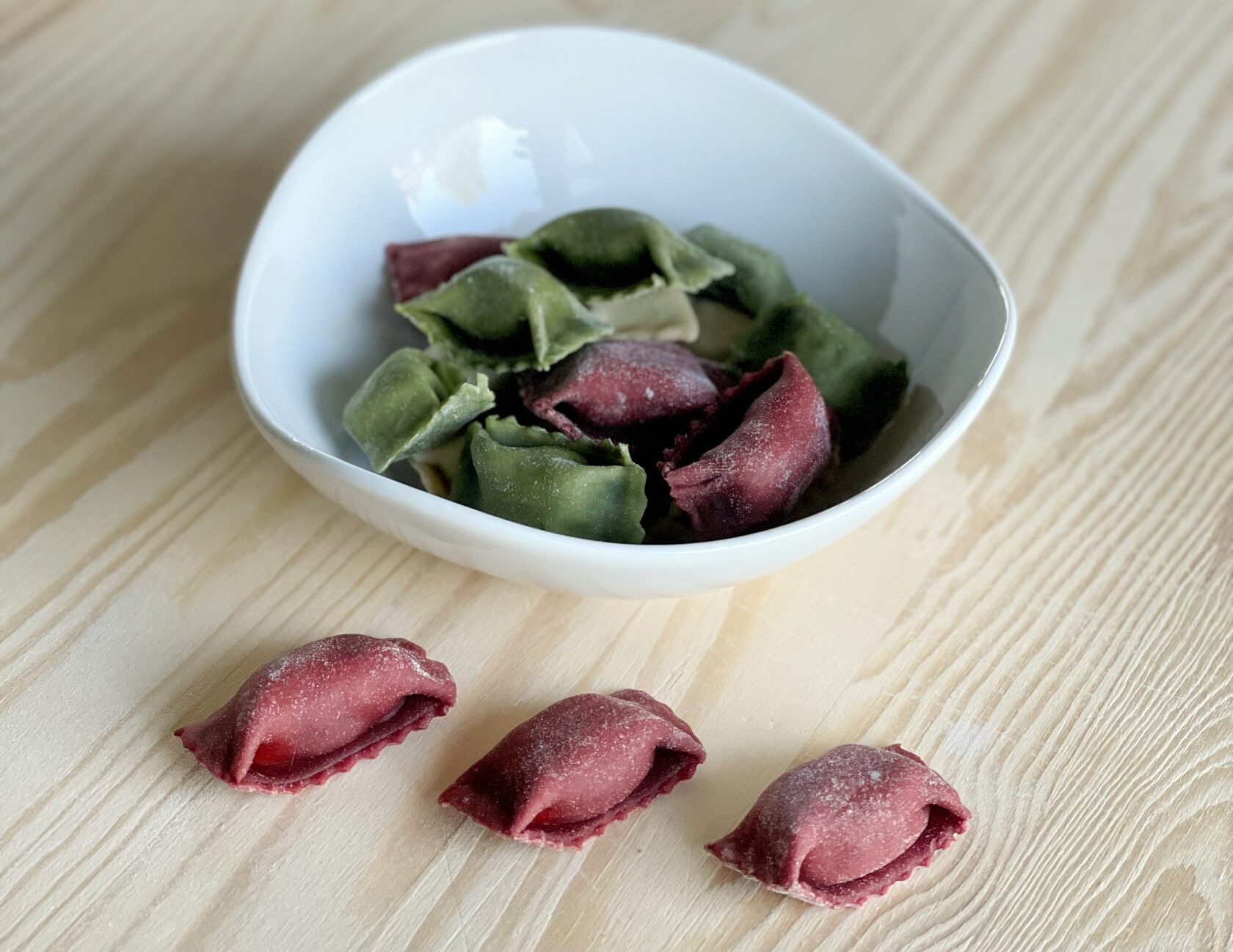
It is almost never the recipe. It is the dough hydration, the way you rest and roll it, and how you handle color and filling. Fix those and everything else follows.
The sheet never gets thin enough, so it cooks up doughy and grey instead of golden and tender with a clean bite.
The dough dries out or was never rested right, so ravioli and agnolotti split at the seam and leak filling into the water.
Beet, spinach, and turmeric doughs either wash out grey in the pot or dry out and crack, so the rainbow effect never survives cooking.
You start with the fundamentals until the base dough is reliable, then layer on color and stuffed shapes without relearning anything.
By the end you are not following one recipe. You own the dough, the color, and the seal, so any shape on any menu is within reach.
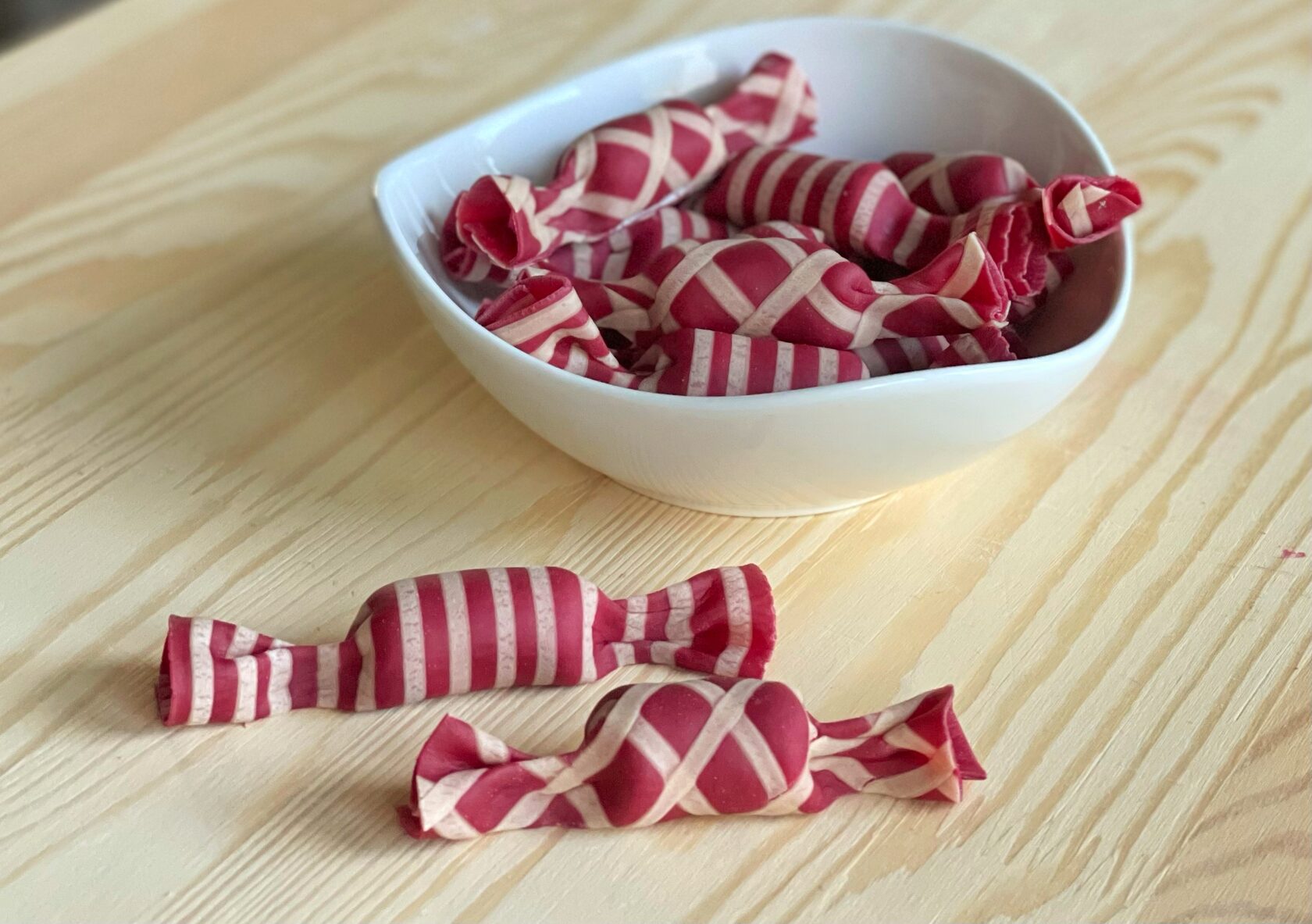
Concrete, plate-ready results, not vague inspiration.
Fundamentals first, then color, then filled and shaped pasta. Every lesson is in every plan except the two Signature exclusives.
Where the shapes and regional styles come from, so the techniques ahead make sense.
The board, rollers, cutters, and machines that make thin, even sheets possible at home.
Flours, eggs, and liquids, and how each one changes the feel and bite of the dough.
The core rules of hydration, kneading, and rest that decide whether dough tears or rolls clean.
The silky, springy foundation dough you will build every other pasta on.
Rolling and cutting by hand with just a pin and a board, thin enough to see light through.
A simple sauce that clings to fresh pasta and shows off that tender bite.
How to boil, time, and plate fresh pasta so it stays al dente instead of gummy.
A dough with no eggs that still rolls thin and holds together for anyone avoiding them.
A softer, richer dough enriched with milk for a different texture and flavor.
Using a pasta machine to roll and cut fast, evenly, and repeatably.
A warm red-orange dough colored with paprika that keeps its glow through cooking.
A deep terracotta dough built on tomato paste for a rich, savory tone.
A golden-yellow dough with a fleck of pepper for both color and a gentle kick.
A soft green dough colored with matcha that stays vivid instead of washing out.
A striking magenta dough from beet that holds its color in the pot when you do it right.
The classic verde dough, a fresh natural green that never turns grey.
A dramatic violet dough from purple sweet potato for the boldest color on the plate.
An extra deep-dive on getting color bright, even, and colorfast every time.
Joining two doughs into a single sheet with a clean, deliberate color break.
Pinched bow-tie farfalle in two colors, the first way to build them.
A second technique for two-tone farfalle with a different pattern and pinch.
Finishing your colored farfalle with a sauce chosen to match the shape.
Candy-wrapper pasta twisted shut at both ends around a soft filling.
The signature multi-color sheet turned into rainbow farfalle and fettuccine.
Stacking colored doughs into striped sheets for graphic, layered pasta.
Delicate ravioli around a seafood filling, sealed tight so nothing leaks.
The Sardinian pleated pouch closed with its signature wheat-ear braid.
Fresh sheets layered and baked into a proper homemade lasagna.
Small Piedmontese pillows pinched around filling into neat, sealed rows.
Ridged tubes rolled from fresh sheets, filled and baked in sauce. Exclusive to the Signature plan.
Oversized ravioli built around a generous filling, sealed to stay whole in the pot. Exclusive to the Signature plan.
.jpg)
“Get the dough right and everything else, color, shape, filling, just falls into place.”
I am Dmitrii, and dough has been my whole working life. I have spent years with flour under my nails, learning how hydration, rest, and handling decide whether a sheet rolls silky and thin or tears the second you fill it. Fresh pasta runs on those same fundamentals. In this course I walk you through them step by step, from a base dough you can trust to bright natural colors, rainbow sheets, and stuffed shapes that hold together. No mystery, no wasted flour, just the technique that makes it work every time.
Every technique is a clear video you can pause and rewatch, with a downloadable guide to work from.
Cook it in your own kitchen, step by step, with the theory fresh in mind.
On Studio and Signature, send your work to the team and get specific fixes instead of guesses.
All three plans include the same 32 video lessons and instant access after payment. They differ in feedback, access length, and the two Signature-only recipes. Every plan is covered by a 14-day money-back guarantee.
Every plan is a one-time payment with instant access and a 14-day money-back guarantee.
Change your mind within 14 days of purchase and we will refund you.
Finish the lessons and homework on Studio or Signature and receive your certificate.
On Studio and Signature, the team reviews your work and answers questions for 12 months.
One year of access on Essentials and Studio. Lifetime access on Signature.
Is this a pastry or dessert course?
No. This is savory Italian cooking, focused entirely on fresh pasta: doughs, colors, shapes, fillings, and sauces. If you are looking for pastry or desserts, this is not the course for you.
I am a total beginner and my pasta always comes out thick and gummy. Can I do this?
Yes. The course is built for all levels and starts from the fundamentals. You learn the hydration, rest, and rolling that turn a thick grey sheet into a thin, silky one, so beginners get reliable results by following the steps.
Will the colored and rainbow doughs really keep their color when cooked?
Yes, when you use the right technique. Module 2 and the bonus masterclass focus on getting each natural dough bright, even, and colorfast so beet, spinach, turmeric, and the rest hold their tone in the pot instead of bleeding out or turning grey.
How do I stop my ravioli from tearing and leaking?
That comes down to dough handling and sealing, which the course covers directly. You learn to keep the dough at the right moisture and to seal each shape tight, so caramelle, ravioli, agnolotti, and culurgiones hold their filling from the board to the plate.
What is the difference between the plans?
All three include the same 32 lessons and instant access. Essentials is self-guided with 1-year access. Studio adds curator homework review, feedback, a certificate, 1-year access, and 1 year of support. Signature adds two exclusive recipes, personal support from Dmitrii for 1 year, and lifetime access.
Do I need a pasta machine, or can I do it by hand?
You can start entirely by hand. The course teaches a full hand method with just a rolling pin and board, and also covers machine methods if you have or want a pasta machine for faster, more even sheets.
Silky base dough, colors that survive the pot, and stuffed shapes that hold their filling. 32 lessons, all levels, with a 14-day money-back guarantee on every plan.