
Pastry instructor Dmitrii walks you through 23 video lessons: 3 on theory, then 20 radically different European cookie formats, from piped nut sticks and tuiles to linzer and sandwich cookies, so you master doughs, not one-off recipes.
Because every new format is new physics: a new dough, a new bake window, a new way to lose an evening. So you stay loyal to the one recipe that works.
Spread a touch too thick, lifted a moment too late: it folded like wet cardboard over the rolling pin, then cooled chewy instead of glassy.
The dough fought the piping bag until your hand cramped, and the oven still erased every ridge, leaving pale anonymous slabs where nut sticks should be.
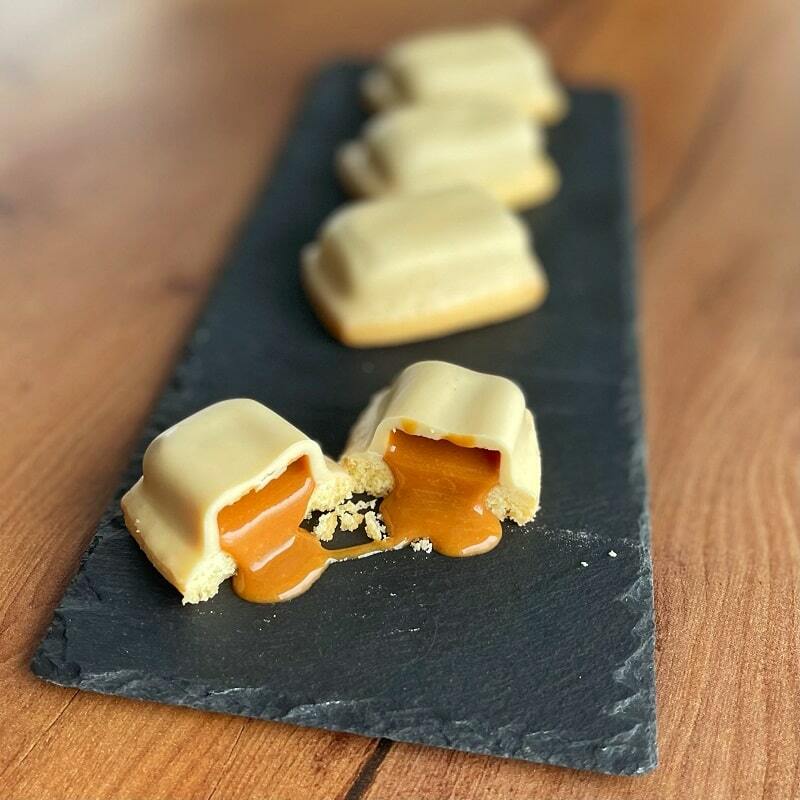
The liquid center found one hairline crack, leaked out across the tray and welded your prettiest cookie to the parchment before the guests even arrived.
Dmitrii teaches cookies as one connected craft. Three theory lessons set the base, then twenty formats keep reusing the same dough logic in new shapes, with flavor variations inside each.
Learn the dough once, and every shape after it is a variation.
The theory block is short and dense on purpose: context, equipment and ingredient behavior, so the twenty formats ahead feel logical instead of lucky.
How Europe filled its tins, and where formats like the tuile and the linzer actually come from.
The honest shopping list: trays, mats, piping tips and cutters sorted into what you need now and what can wait.
Butter, sugars, flours, nuts and chocolate read through behavior: what each choice does to spread, crumb, color and shelf life.
Twenty finished formats matter less than what stays behind: a set of dough instincts you will use on every cookie recipe you open from now on.
23 video lessons in every plan: a 3-lesson theory block, then 20 cookie formats with flavor variations inside each. The Signature workbook adds 10 more recipes, for 30 in total.
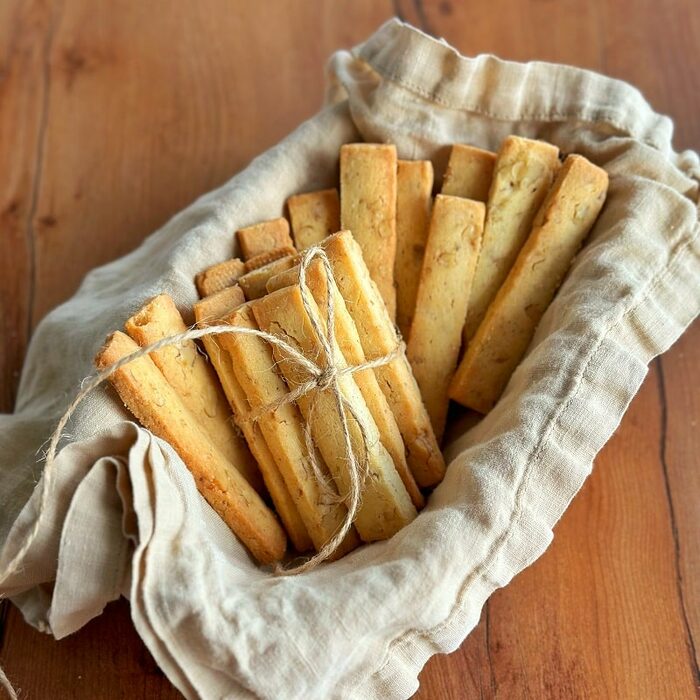
Piped into ridged batons, toasty with ground nuts and crisp at both ends of every stick.
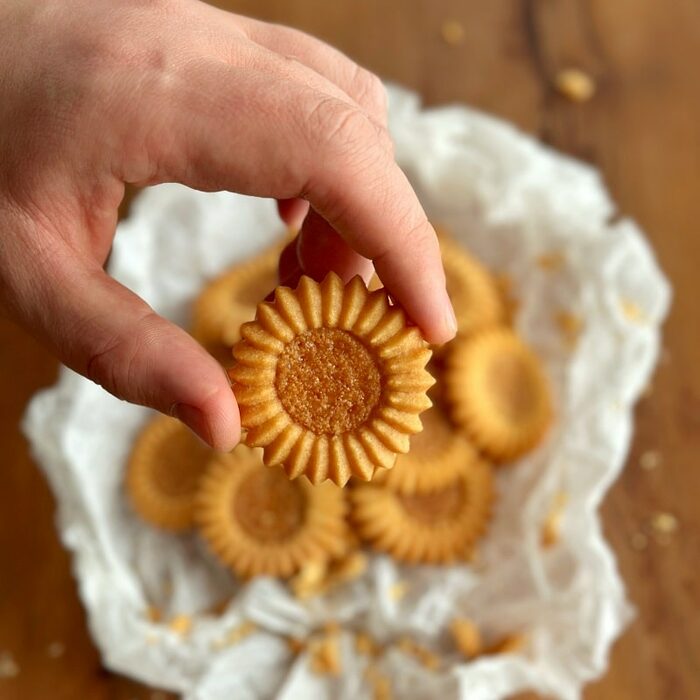
Shaped into a golden sun of toasted nut dough that you break apart ray by buttery ray.
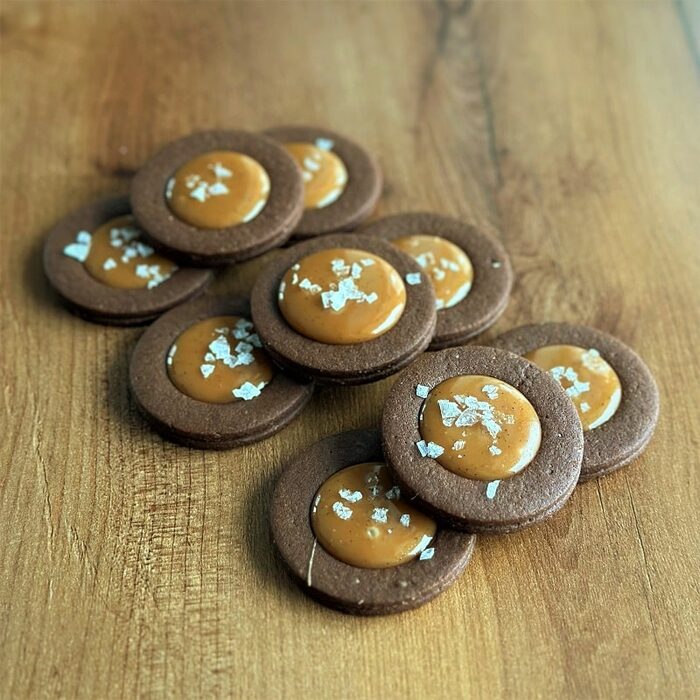
Chewy caramel packed with roasted peanuts and finished in chocolate, the salt landing right at the end.
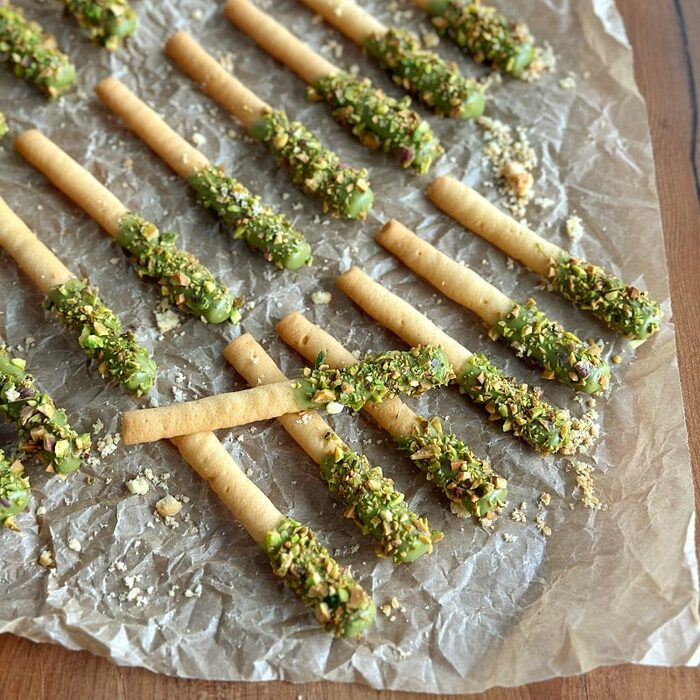
Green-flecked batons under dark chocolate, with pistachio flavor deep enough to introduce itself from the first bite.
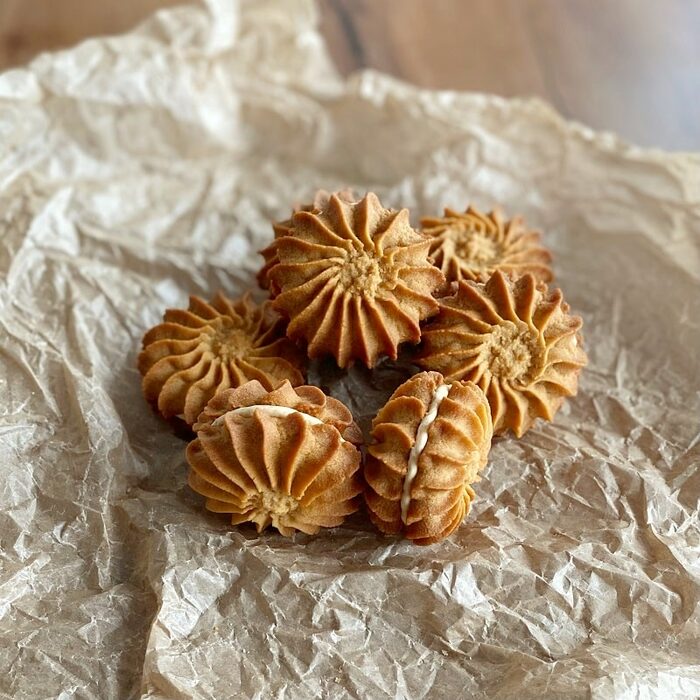
Built around almond and almost nothing else: dense, fragrant and quietly rich beside an evening espresso.
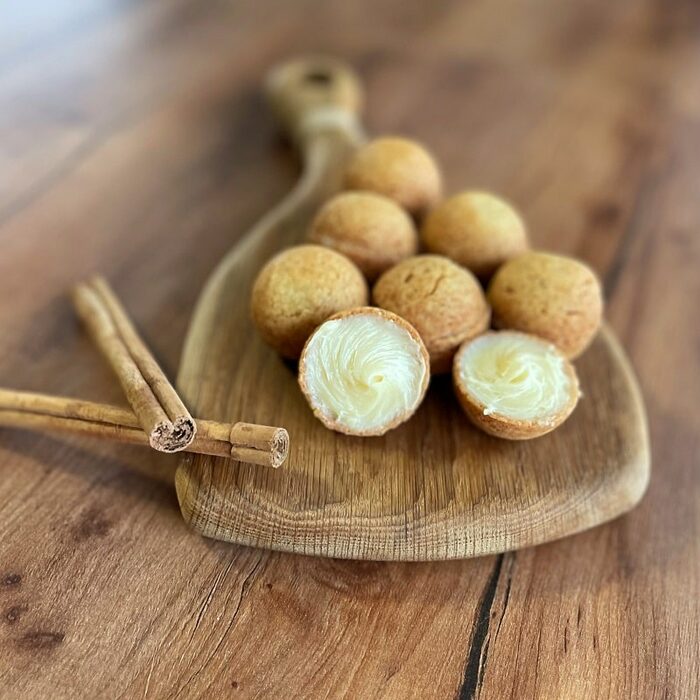
Round chocolate cookies made for December, deeply cocoa, slightly dramatic and gone before the tea is poured.
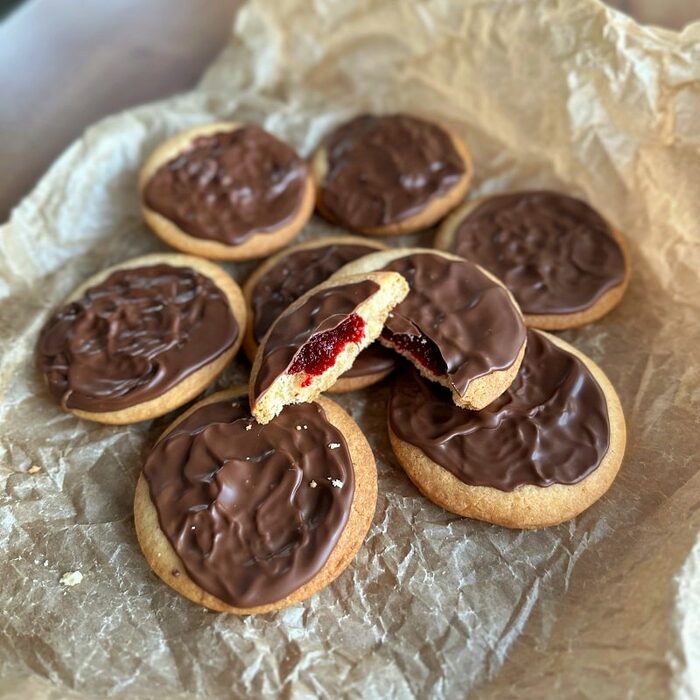
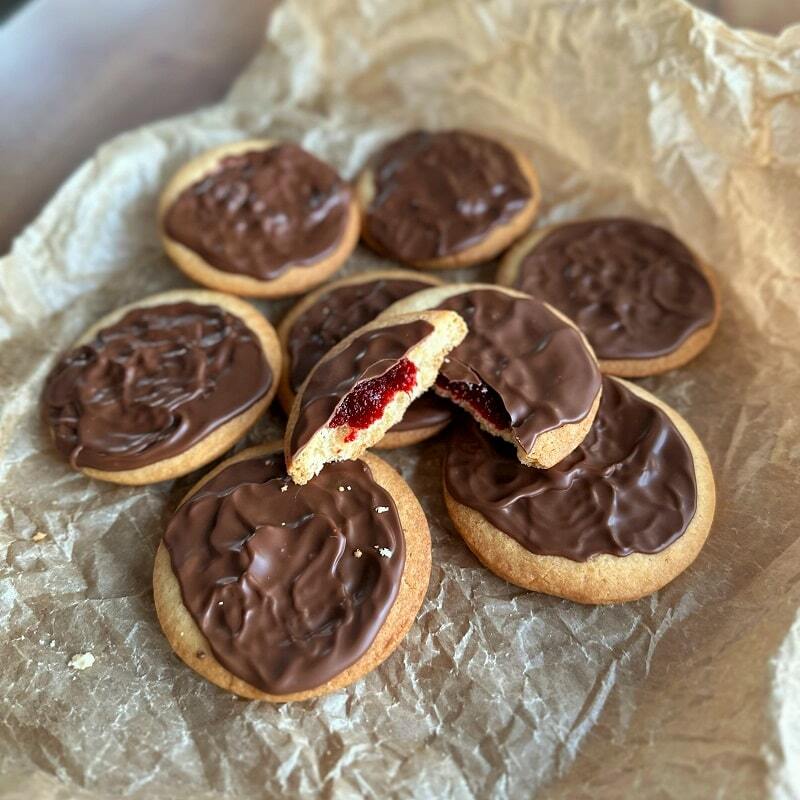
A dark cocoa cookie with cherry at its heart, each bite finishing soft, jammy and slightly tart.
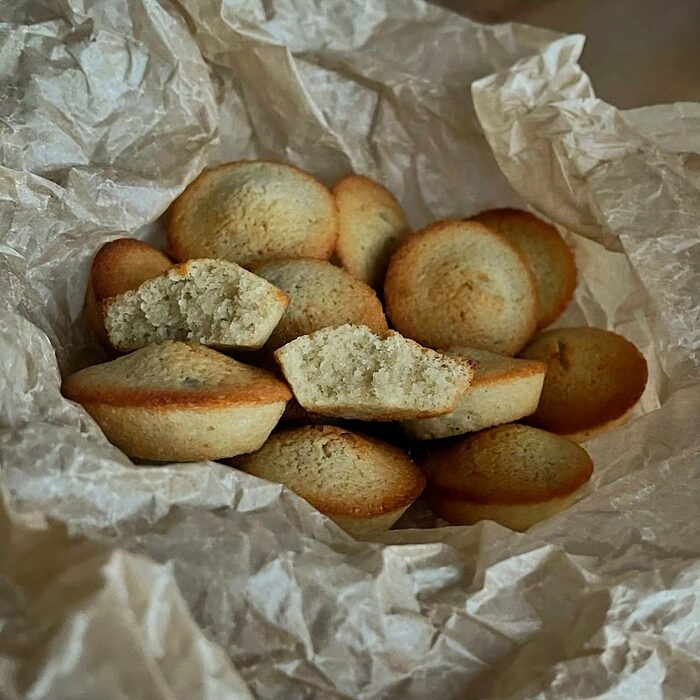
Light sponge rounds carrying two cheeses at once, tender in the middle and rich without turning heavy.
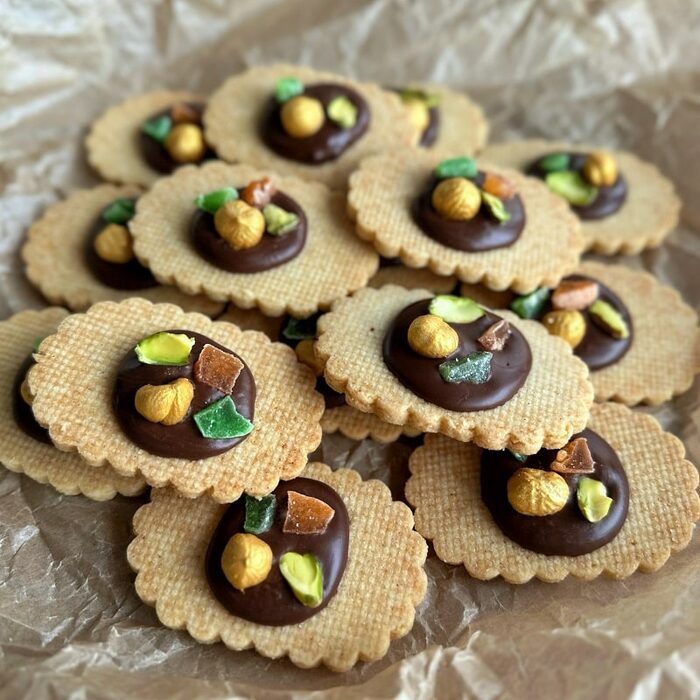
Gianduja logic in cookie form: deep chocolate and roasted hazelnut in every crumb, made for cold evenings.
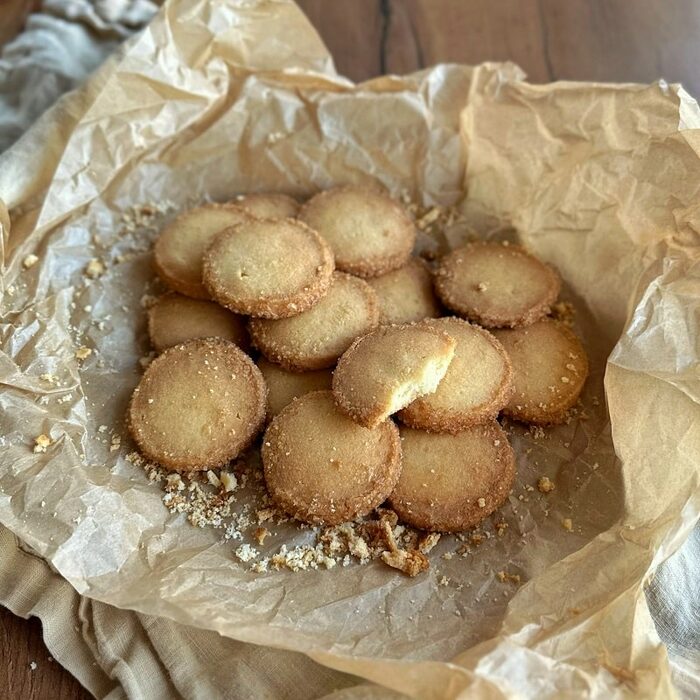
Shortbread-style rounds that collapse into fine, buttery crumbs the moment your teeth close on them.
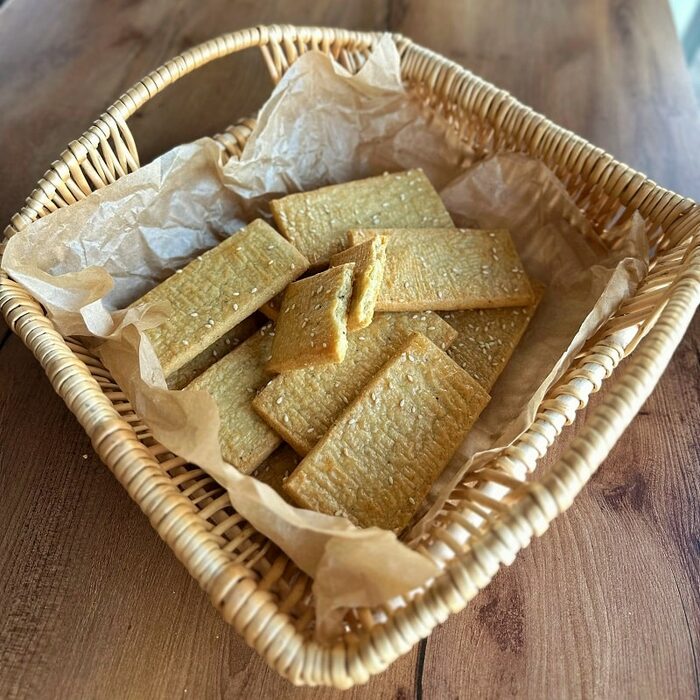
Proof that cookies do not have to be sweet: salty, buttery and better with wine than with tea.
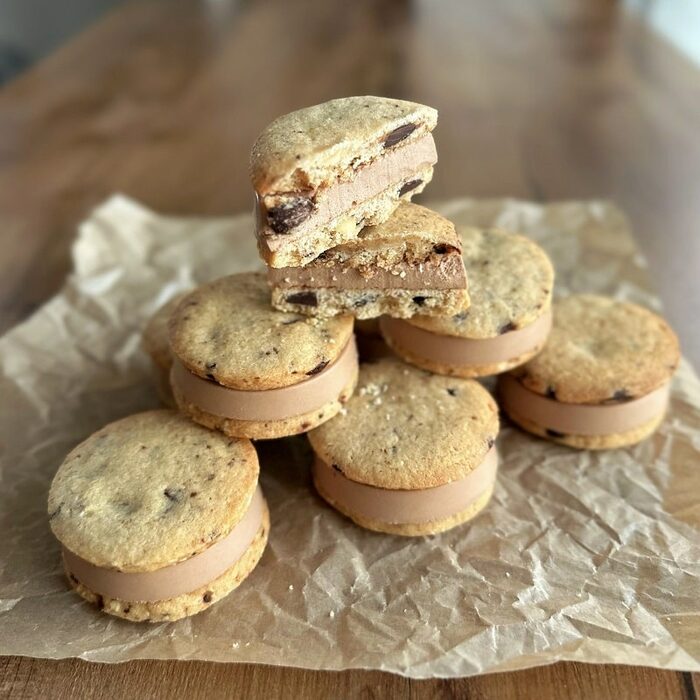
A dough designed to sit against ice cream and stay tender in the freezer, never turning to stone.
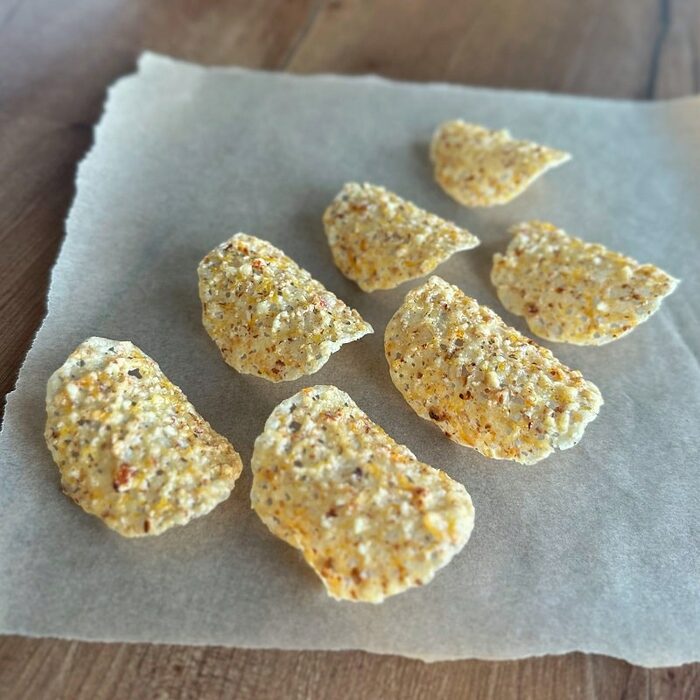
Paper-thin, glassy and citrus-bright, curved over a rolling pin in the few seconds it stays flexible.
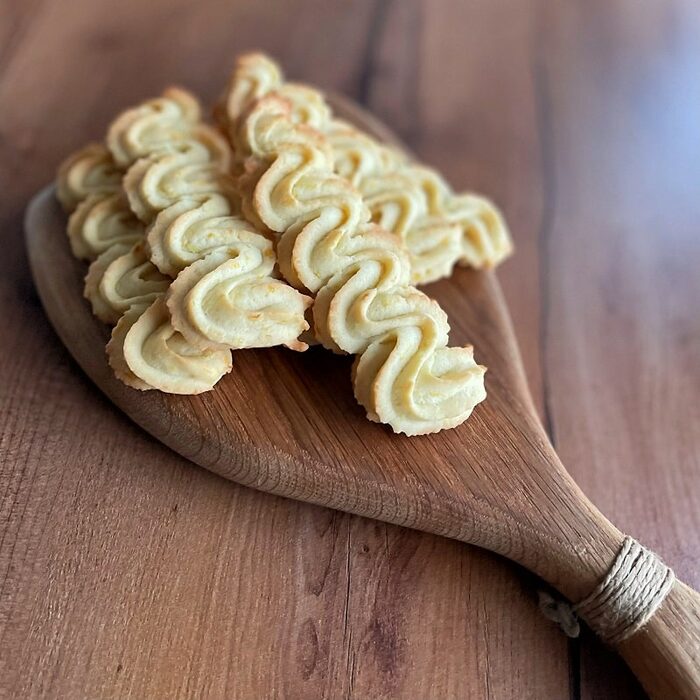
Bright zest through a tender crumb, the sharp, sunny cookie that wakes up a heavy dessert table.
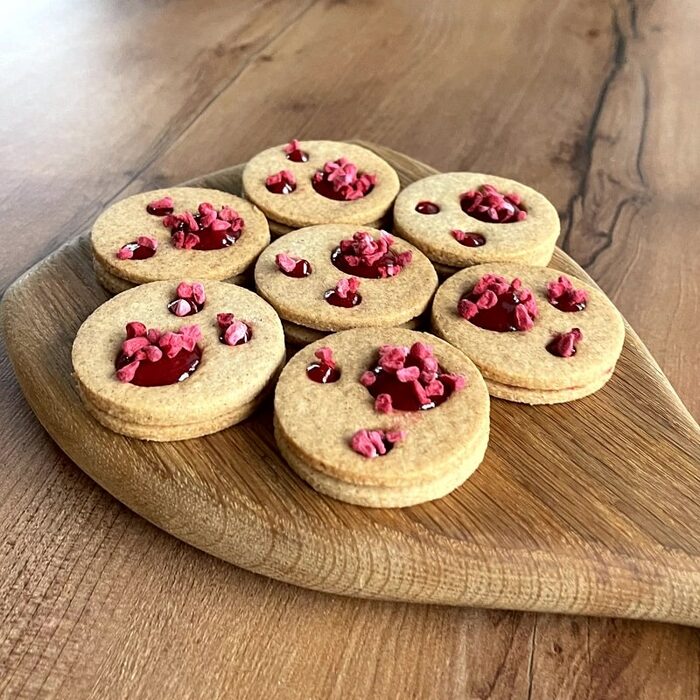
Nutty Austrian dough sandwiching raspberry jam, with a cut-out window and a soft snowfall of powdered sugar.
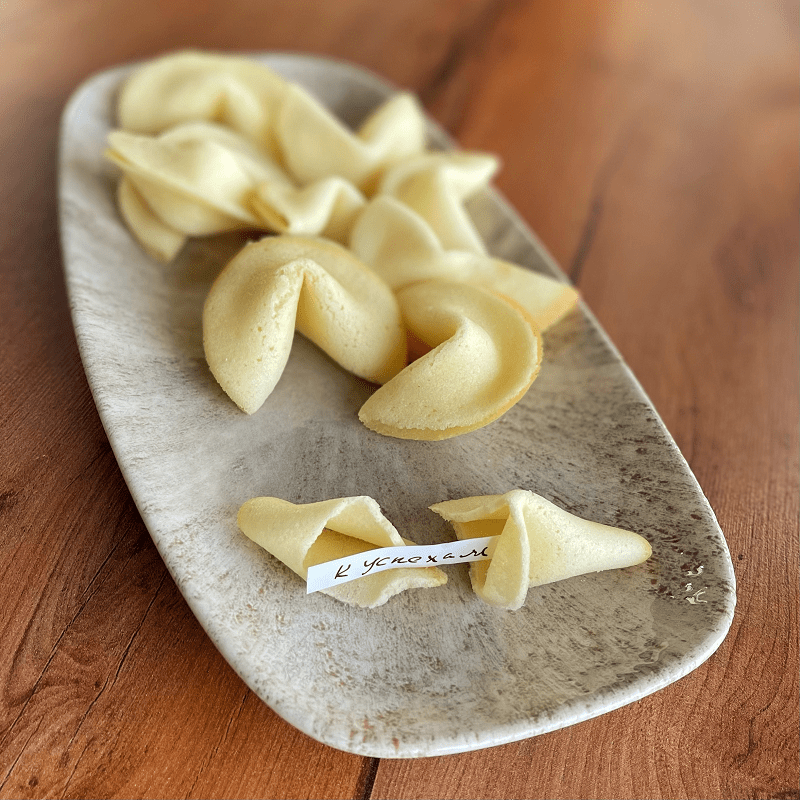
Folded around a paper note while the cookie is still hot and obedient, dessert with a message inside.
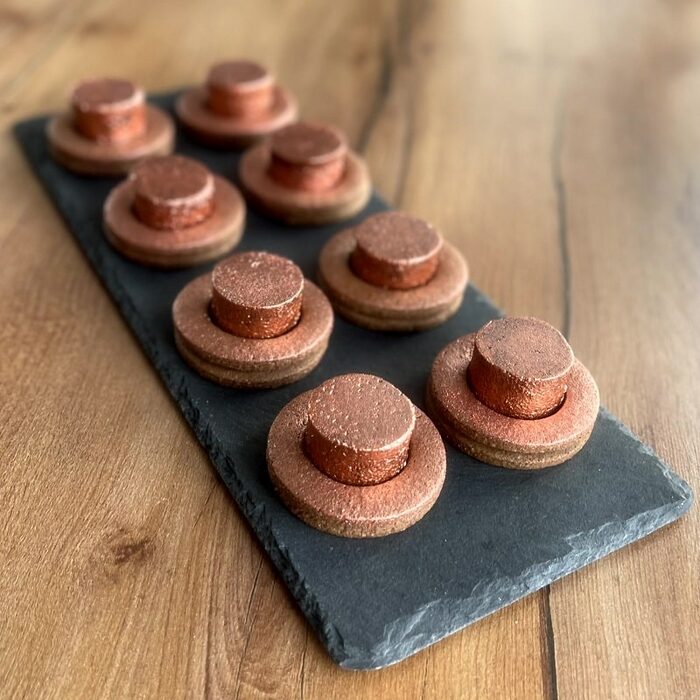
Rolled into burnished tubes and filled with black currant, tart fruit against a deep caramel-toned shell.
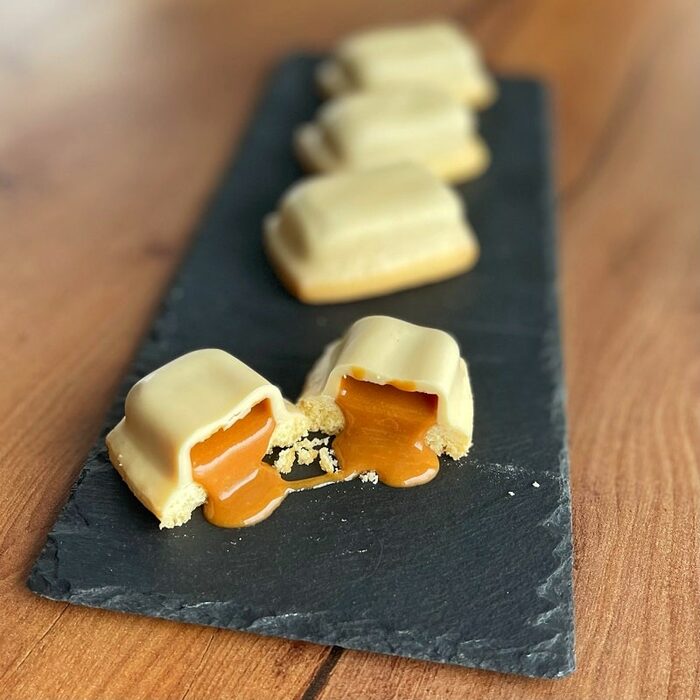
Baked just far enough that the middle stays molten and spills slowly when the shell breaks open.
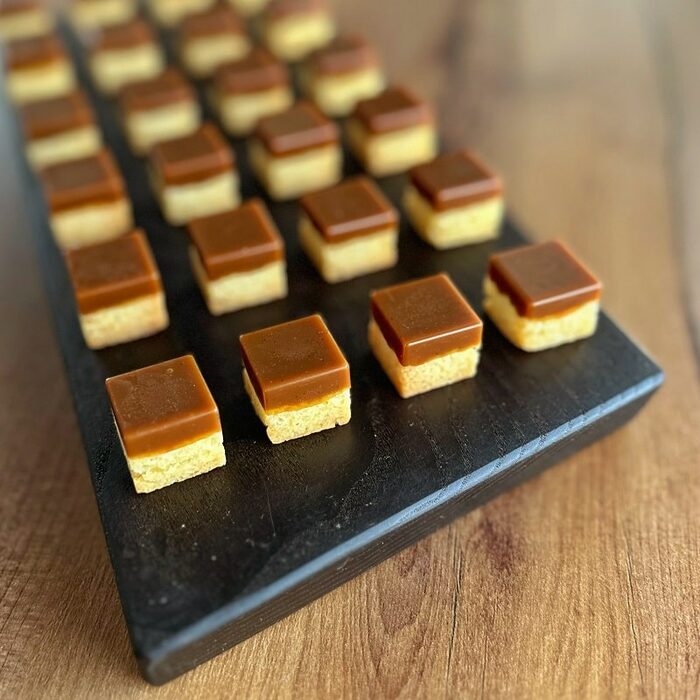
Neat golden blocks with a proper caramel chew, cut clean at the edges like tiny confectionery bricks.
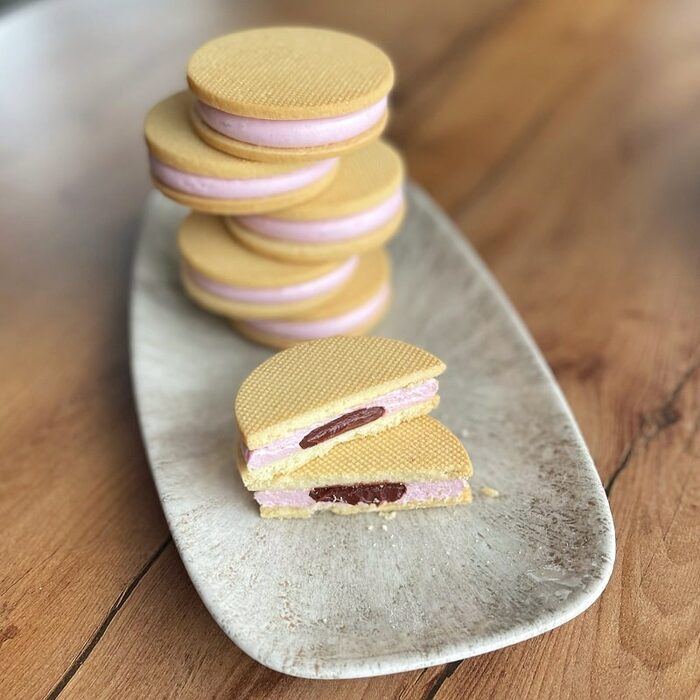
Two tender halves around a bright raspberry filling that holds its line instead of sliding out sideways.
Ten more recipes in a printable workbook, growing your collection from twenty cookies to a round thirty.
.jpg)
“A cookie is the shortest recipe in pastry. There is nowhere for a mistake to hide, and I teach you to love that.”
Cookies were the first thing I was trusted to bake and the first thing I ruined: a tray of piped sticks that melted into one pale lake, because nobody had told me why butter temperature matters. That tray still runs my teaching. In this course I hand over my whole European tin: nut sticks, tuiles, linzer, caramel cubes, even savory cookies for wine nights, filmed the way I bake at home, with the scale on the counter and every oven quirk said out loud. I still tap each cooled tuile to hear it ring. When yours rings back, you will know exactly what I mean.
Every format is a clear video you can pause and rewatch, with a PDF guide to work from.
Pipe, curve and fill in your own kitchen, format by format, with the theory fresh in mind.
On Studio and Signature, send photos of your bakes to the curators and get specific fixes instead of guesses.
Bake on your own with Essentials, get curator feedback on every tray with Studio, or take the full thirty-recipe collection home forever with Signature.
Every plan is a one-time payment with instant access and a 14-day money-back guarantee.
Change your mind within 14 days of purchase and we will refund you.
Finish the lessons and homework on Studio or Signature and receive your certificate.
On Studio and Signature, the team reviews your work and answers questions for 12 months.
One year of access on Essentials and Studio. Lifetime access on Signature.
How long do I keep access to the lessons?
Essentials and Studio include 1 year of access from the day you enroll. Signature comes with lifetime access to the course and every future update.
I only ever bake one kind of cookie. Will I keep up?
Yes. The course opens with three theory lessons on equipment and ingredients, and the formats climb gradually, from simple piped sticks to showpieces like tuiles and liquid centers. Every lesson pairs video with a PDF guide, so you can move at whatever pace suits you.
What equipment do I need?
A home oven, flat baking trays, parchment or a silicone mat, a piping bag with a few tips, a rolling pin and a digital scale cover the whole course. The Tools and Equipment lesson sorts the full list into essentials and optional extras before you buy anything new.
What actually differs between the three plans?
The 23 lessons are identical in every plan. Essentials is self-guided with 1 year of access. Studio adds curator feedback on your bakes, answers to your questions for a year and a certificate of completion. Signature adds the bonus workbook with 10 extra recipes, 30 recipes in total, plus lifetime access.
Should I take this or Modern American Cookies?
This course is the European collection: 20 radically different formats, from piped sticks and tuiles to linzer, savory cookies and filled sandwiches, across many dough types. Modern American Cookies is a different pleasure: thick, gooey, generously stuffed cookies in the New York style. Pick this one for breadth and technique, that one for the big soft classics, or pair them for a complete cookie education.
What if I start and realize it is not for me?
You have 14 days from purchase to try the course. If it turns out cookies are not your chapter, write to our support team within those 14 days and we will refund you in full.
Three theory lessons build the base, twenty European formats build the range, and flavor variations inside each keep the tin interesting for years. The one-recipe era ends the day you enroll.