
With Dmitrii you work through 7 theory lessons and 15 practice bakes, from rye, whole grain and Borodinsky sourdough loaves to tartine, ciabatta, brioche, burger buns and donuts, so you understand why dough behaves the way it does and can repeat it at home.
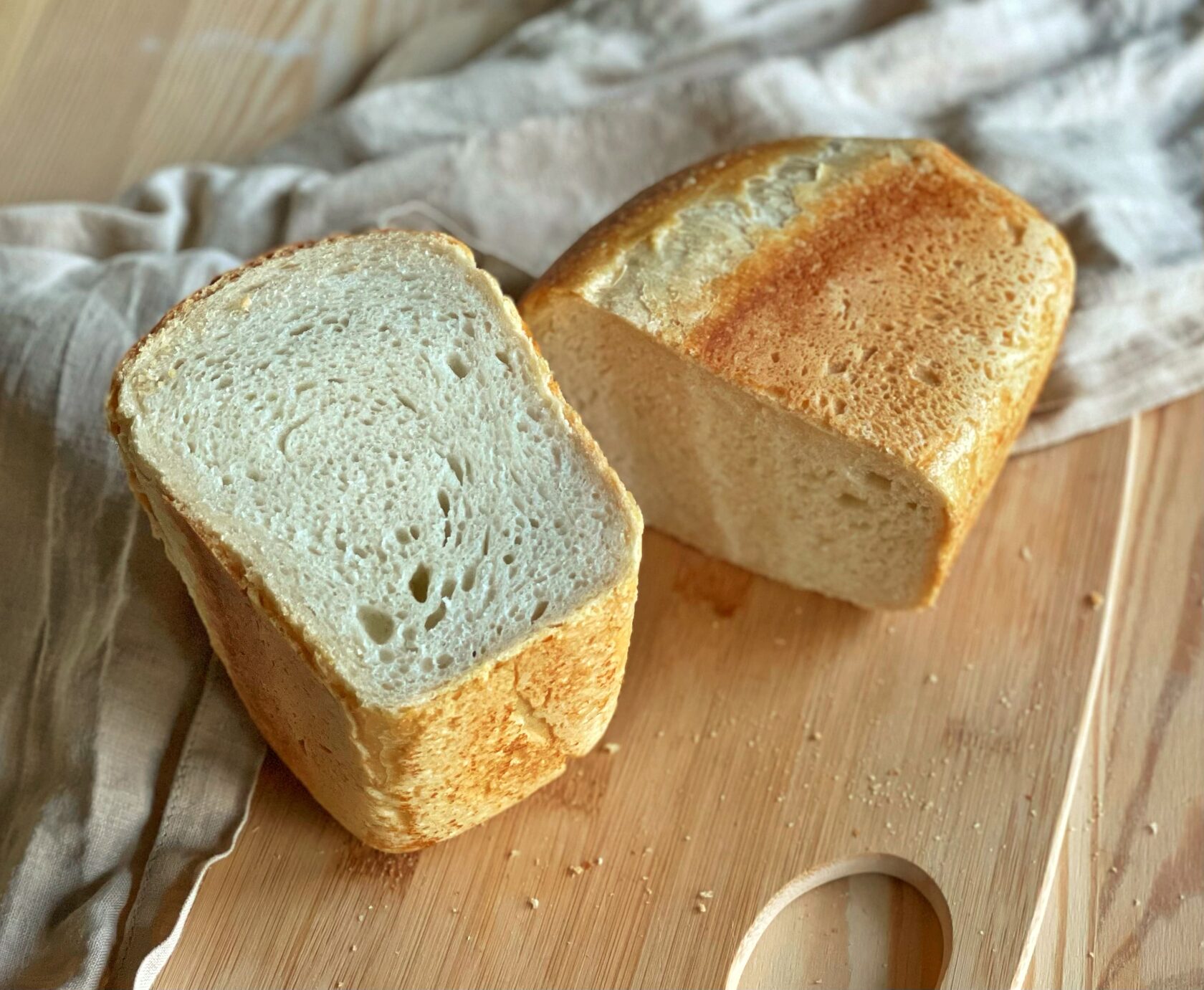
It is almost never the recipe. Bread fails at the parts a recipe never explains: the feel of ready dough, the moment to bake, the way heat sets a crust.
You slice into the still-warm loaf and the middle is damp and tight, a pale wet band that pulls at the knife instead of springing back.
It comes out of the oven the color of raw dough, no crackle, no shine, and it goes soft and chewy within an hour on the counter.
The jar sat grey and lifeless, the loaf barely rose, and after two flat bakes you quietly went back to a packet of yeast.
Most bread courses hand you fifteen recipes and hope. This one teaches you what fermentation, hydration and heat are actually doing, so any loaf becomes a set of decisions you can read and adjust.
Understand the dough once and every loaf after it gets easier.
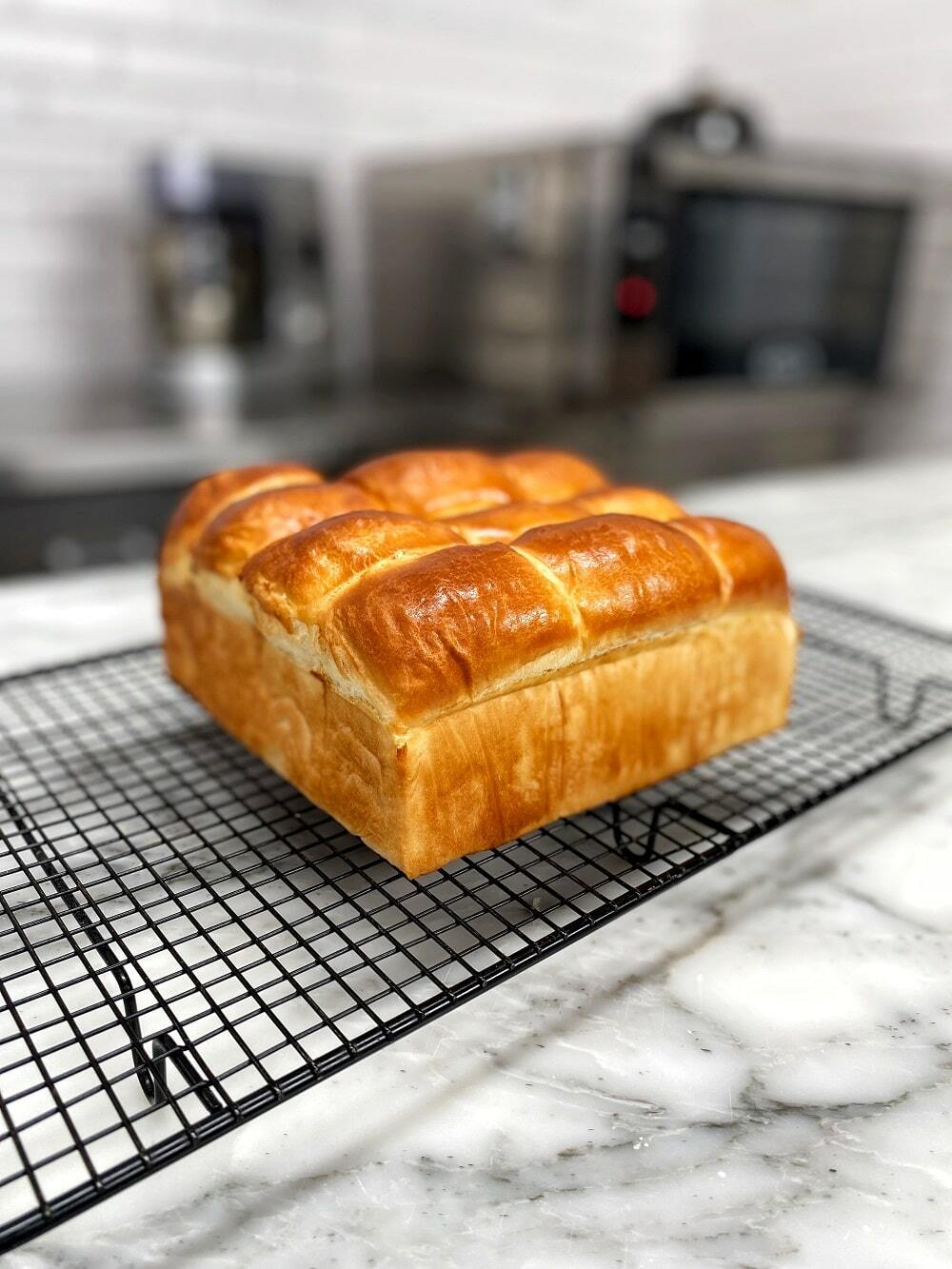
Most bread fails for reasons a recipe never mentions. This course front-loads the why, so you know what fermentation, yeast and heat are doing before your first bake.
What flour strength, water and salt each do in a dough, so you pick ingredients by their job instead of by the label.
How to raise, feed and store a live starter, and how commercial yeast behaves next to it, so you can bake with either one.
Base temperature, hand versus machine mixing and bulk fermentation, the single process that decides whether a loaf rises or stalls.
How heat sets the crust, why loaves are shaped the way they are, and how scoring controls where a loaf opens in the oven.
A full lesson on the errors that flatten, gum and pale a loaf, so you recognize each one while the dough is still fixable.
Not a folder of recipes you follow blind, but the judgment to read dough and fix it while it is still in your hands.
22 lessons in every plan: 7 theory lessons and 15 practice bakes, plus 4 bonus video lessons in the Signature plan.
Set up your workspace with the tools that actually matter and see where the loaf on your counter comes from.
Learn what flour strength, water and salt each do so you can pick ingredients on purpose instead of by habit.
Build a live starter from scratch, keep it fed and know how to store it between bakes without killing it.
See how commercial yeast behaves against a starter so you can reach for either one and know what to expect.
Grasp base temperature, hand versus machine mixing and fermentation as the single process that makes bread rise.
Time the bake to the loaf, read the crust and keep bread fresh for days once it leaves the oven.
Walk through the errors that flatten, gum and pale a loaf so you can catch each one before it reaches the oven.
Raise, feed, store and revive a living starter so every sourdough loaf that follows has a reliable engine behind it.
Start with a forgiving rye loaf that teaches you how sourdough rises, holds and smells before anything trickier.
Bake a 100 percent whole wheat hearth loaf and feel how heavier flour changes the way dough ferments and holds.
Make the dark, malty Borodinsky loaf, dense and aromatic, and learn to bake rye to a moist, sliceable crumb.
Build the loaf bakers chase, a blistered crust over a wide open crumb, from good flour and a healthy starter.
Handle a wet, slack dough and bake the airy, holey ciabatta that went from an Italian bakery to the whole world.
Fold sunflower and flax seeds through a hearty loaf that stays moist for days and tastes as good as it is filling.
Bake a real garlic loaf with fresh herbs and olive oil worked right into the dough, not brushed on at the end.
Turn a tender, airy French Austrian dough into the fluted fruit and nut kugelhopf that eats somewhere between bread and cake.
Master enriched yeast dough heavy with butter and eggs and pull out a golden, feather-light brioche crumb.
Take that brioche sweet, filling soft rolls with pastry cream and bright pineapple for something close to dessert.
Layer tart cherry confit into brioche and finish it under a dark scatter of poppy seeds for a bakery-window loaf.
Turn a handful of plain ingredients into soft, glossy burger buns that hold up to a heavy patty without falling apart.
Fry classic ring donuts to an even gold with a light, tender inside and get the frying temperature right every time.
Move on to pillowy filled donuts, piping a generous center in so it stays put and never leaks through the crust.
Braid a glossy, egg-rich challah and learn the weave that turns a simple enriched dough into a centerpiece loaf.
Settle into a dependable everyday loaf you can bake on a weeknight without thinking twice about it.
Bake a savory snack bread built for tearing and sharing, flavored right through and best still warm from the oven.
Finish with a soft, milk-enriched loaf whose tender pull-apart crumb stays fresh far longer than a lean bread.
.jpg)
“The recipe is the easy part. Reading the dough is the craft, and that is what I teach.”
I am Dmitrii. I grew up around grain, harvested wheat on a combine in my youth and worked at a mill, then sharpened the craft with Western chefs and bakers. I teach the way I learned, hands in the dough, watching what it does. I will show you how to read a starter by smell, feel when fermentation is done and pull out a crust that crackles as it cools. Nothing here depends on a professional oven. Everything here works in a home kitchen, because that is where I bake too.
Every technique is a clear video you can pause and rewatch, with a downloadable guide to work from.
Cook it in your own kitchen, step by step, with the theory fresh in mind.
On Studio and Signature, send your work to the team and get specific fixes instead of guesses.
Learn on your own, get your bakes reviewed, or take the full repertoire with lifetime access and the bonus lessons. Same theory and same 15 bakes in every plan.
Every plan is a one-time payment with instant access and a 14-day money-back guarantee.
Change your mind within 14 days of purchase and we will refund you.
Finish the lessons and homework on Studio or Signature and receive your certificate.
On Studio and Signature, the team reviews your work and answers questions for 12 months.
One year of access on Essentials and Studio. Lifetime access on Signature.
How long do I have access to the course?
Essentials and Studio give you access to all materials for 1 year, which is comfortable time to work through 22 lessons at your own pace. The Signature plan gives you lifetime access to the course and every future update, so you can come back to any loaf whenever you bake it.
I have never baked bread. Can I start here?
Yes. The course opens with seven theory lessons and a forgiving rye sourdough before anything harder, so you build from the ground up. All levels are welcome, and each step is shown on video with a PDF guide to follow at your own pace.
What equipment do I need?
A home oven, a mixing bowl and basic tools are enough to start, and the first theory lesson walks through exactly what matters and what you can skip. Nothing here depends on professional equipment, because everything is baked in a home kitchen.
What is the difference between the plans?
Every plan includes the same 7 theory lessons and 15 practice bakes. Essentials is self-guided. Studio adds feedback on your bakes, answers to your questions and a certificate. Signature adds 4 bonus video lessons and lifetime access to the course and all future updates.
Do I get a certificate?
Yes, on the Studio and Signature plans. After you complete the course and submit your final bake for review, you receive a certificate of completion. The Essentials plan is self-guided and does not include review or a certificate.
What if the course is not right for me?
If you start the course and find it is not a fit, you can request a refund within 14 days of purchase. We would rather you bake with confidence than stay in a course that is not for you.
Learn what the dough is doing, from your first rye sourdough to brioche, buns and donuts, and bake bread that smells like a bakery in your own kitchen.