
The Chocolatier's Path takes you from reading a chocolate label to making boutique bonbons, one video lesson at a time. You learn why chocolate behaves the way it does, and it starts behaving for you.
If this list feels familiar, you are not clumsy and your chocolate is not cursed. You are just missing the why.
One batch is silk, the next stiffens in the bowl or dries with dull gray streaks, and the recipe never explains what changed.
Exact temperatures, tempering curves and seed chocolate sound like a ritual reserved for professionals with marble tables, so you avoid the one skill every glossy result depends on.
They stick in the mold, release without shine, or crack at the seam. You wanted the glossy shells from a chocolatier's window, and you got something you would hesitate to put in a gift box.
Chocolate is chemistry and temperature. A random video can't diagnose your kitchen and your chocolate. A system can, and this is that system: one connected path from A to Z, built in the order your hands need.
A recipe tells you what to do. This course teaches you why it works, and the why is what makes results repeatable.
A full block of dedicated theory lessons comes before any practice. By the time you temper your first batch, you understand the material so well that mistakes have nowhere to hide.
What the package actually tells you: cocoa content, fats, and which chocolate to buy for which job.
How chocolate is made, its types and differences, how it stores and why it behaves the way it does.
Deeper into chocolate and fillings: every ingredient taken apart, what it does and why it is there.
What tempering really is, and what actually happens inside the chocolate as it cools. Down to the molecule.
How to work with infrared thermometers, even when they lie.
How and with what to wash molds, so every shell releases with a mirror shine.
How to choose one, and whether you need one at all. Most pieces work without it.
The chocolatier's pencil: fold a paper cone for fine lines, lettering and detail work.
A method for designing combinations that taste like you, instead of copying someone else's.
Not a playlist of watched videos. Skills that hold up on an ordinary Tuesday, in your kitchen, with your chocolate.
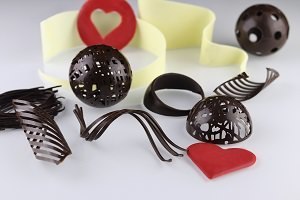
32 video lessons, each with a downloadable guide. After the theory block, you build the full range: bars, figures, truffles and bonbons, along with simple decor (spheres, curls, hearts, borders, twists) and a lesson on creating your own flavor pairings.
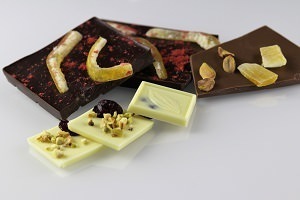
A thin, crackly sheet of tempered chocolate loaded with toasted nuts and bright dried fruit, broken into generous shards.
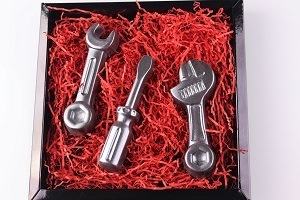
Solid cast figures with crisp detail and a deep, even gloss that catches the light.

Thin-walled, surprisingly light figures that ring softly when tapped and crack open clean.
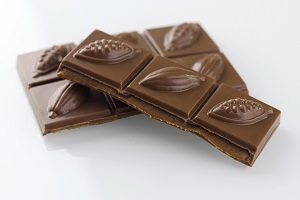
A glossy bar that snaps open onto slow-flowing caramel with a quiet edge of sea salt.
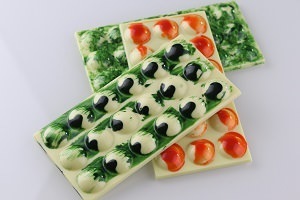
Bars in bold, saturated color that keep the same hard snap and shine as classic dark.
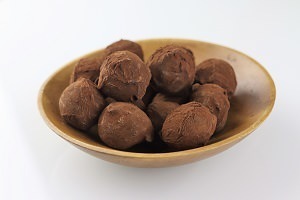
A cocoa-dusted shell around a soft ganache center that starts melting the moment it touches your tongue.
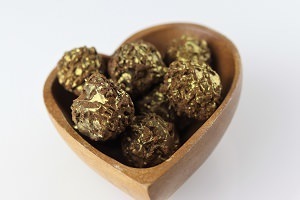
Dark, silky ganache with a warm whisky note that lingers after the chocolate is gone.
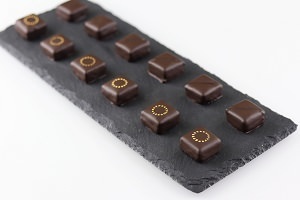
Two contrasting ganache layers, slabbed and hand-cut into squares with clean, sharp edges.

A smooth, pliable chocolate you knead and shape like clay, still warm from your hands.
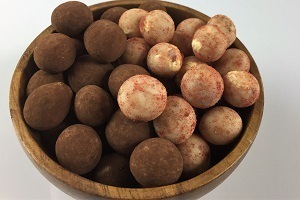
Nuts rolled in chocolate, layer upon layer, until each one becomes a smooth, heavy little pebble that rattles gently in the box.
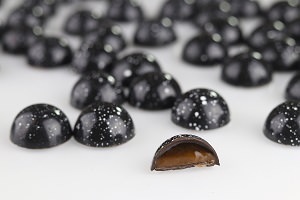
Midnight-blue shells splashed with tiny stars and polished to a mirror shine.
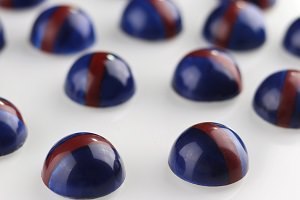
A crisp painted shell that cracks into a bright, tart raspberry heart.

Bite-size domes in a bold giraffe pattern with a tender center under the snap.
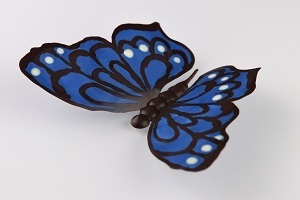
Paper-thin butterflies with crisp wing detail, light enough to look ready to lift off the cake.
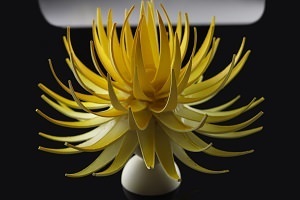
A full flower built petal by petal, so thin the light glows through the edges.
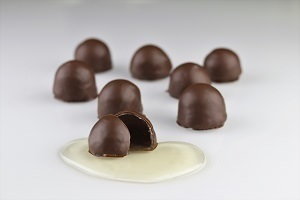
A delicate glazed shell holding liqueur that is genuinely liquid and floods out at the first bite.
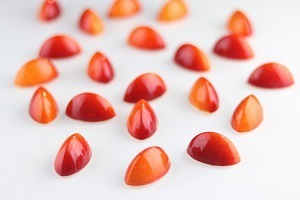
Shells airbrushed in a seamless color fade, from deep to pale, with no visible line.
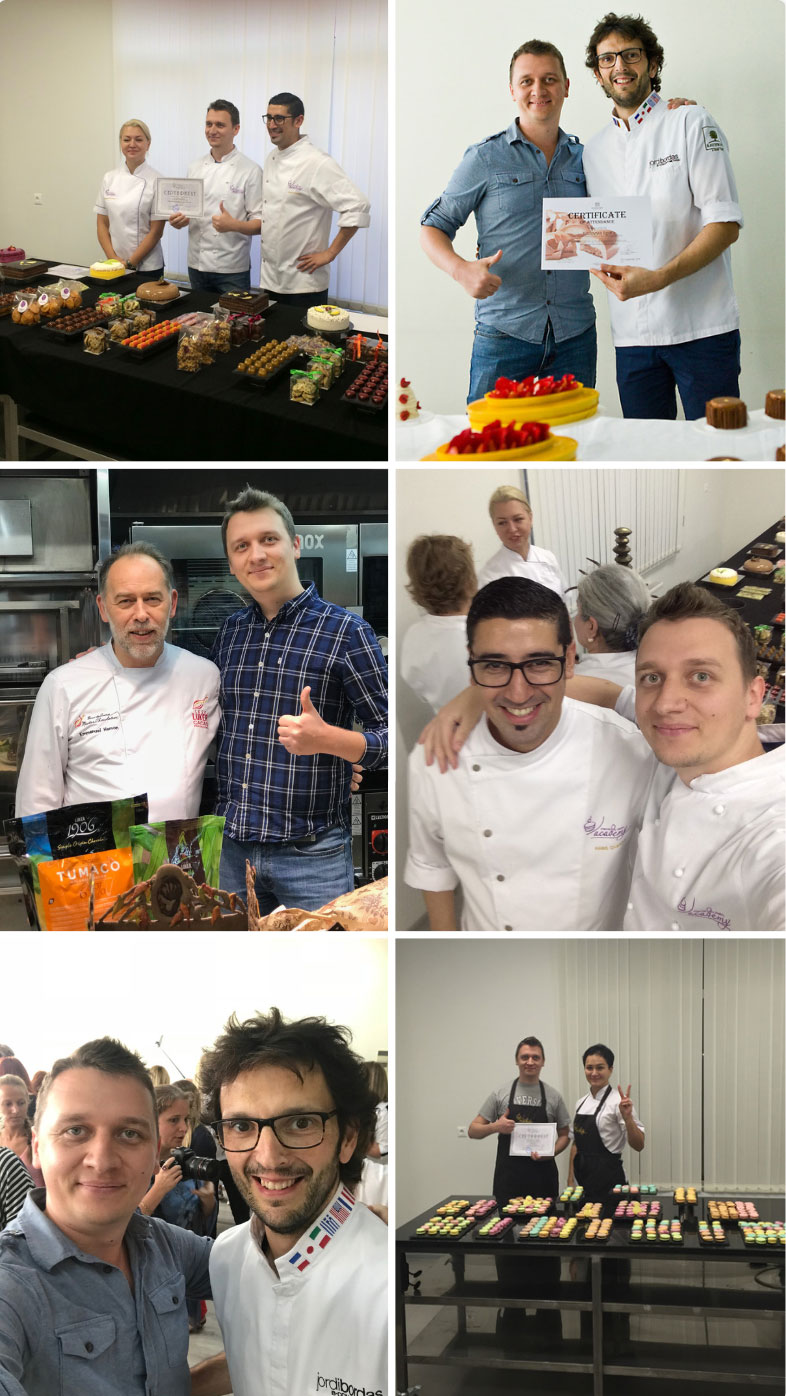
“Chocolate is not moody. It is precise. Once you know its rules, you stop being afraid of it. That is the whole path.”
I'm Egor Kozlovskii, founder and head instructor of LeChefio, and a working pastry chef. Chocolate is the most honest material in the pastry kitchen: it does exactly what the temperature tells it to, nothing more and nothing less. That is why I built this course around the why. Each of the 32 lessons shows you the step, then explains the reason behind it, because the reason is what you'll lean on when something looks wrong at nine on the night before a birthday. I filmed the course the way I train chefs: calm pace, plain language, no steps skipped. And if you join on Studio or Signature, my team and I will look at your homework and answer your questions, so you're never left guessing alone.
Every technique is a clear video you can pause and rewatch, with a downloadable guide to work from.
Temper, mold and finish in your own kitchen, piece by piece, with the theory fresh in mind.
On Studio and Signature, send your work to the team and get specific fixes instead of guesses.
Making chocolate for the joy of it? Essentials is the complete craft. Want expert eyes on your work? That's Studio. Want the 3 exclusive pieces and lifetime access? That's Signature.
Every plan is a one-time payment with instant access and a 14-day money-back guarantee.
Change your mind within 14 days of purchase and we will refund you.
Finish the lessons and homework on Studio or Signature and receive your certificate.
On Studio and Signature, the team reviews your work and answers questions for 12 months.
One year of access on Essentials and Studio. Lifetime access on Signature.
How long do I keep access?
Essentials and Studio include 1 year of access from the day you join. Signature is the only plan with lifetime access: the course stays in your account for good. Team support (homework feedback and answers) runs for 1 year on Studio and Signature.
I'm a complete beginner. Will I keep up?
Yes. The course assumes nothing: it starts with how to read a chocolate label and builds the theory from the ground up before you temper anything. Every lesson is a video, so you can rewatch any step as many times as you need. Careful work matters more here than experience.
What equipment do I need?
A kitchen thermometer or an infrared thermometer (the course includes a lesson on calibrating it), polycarbonate molds for the bonbon lessons, and ordinary kitchen tools. An airbrush is optional: you get an overview lesson so you can decide whether you want one, and most pieces are made without it.
What is the difference between the plans?
All three plans include the complete core program: theory, tempering 4+2 ways and all 14 core pieces. Essentials is self-guided. Studio adds homework feedback and answers from the team for 1 year, plus a certificate of completion. Signature adds three pieces the other plans do not include (Chocolate Decorations: Flower, Liqueur-Filled Glazed Bonbon and Molded Bonbons: Gradient) and upgrades you to lifetime access.
Do I get a certificate?
On Studio and Signature, yes: you receive a certificate of completion when you finish the course. Essentials doesn't include a certificate.
What if the course is not for me?
Every plan comes with a real 14-day money-back guarantee. Join, watch the lessons, temper your first batch. If you decide within 14 days of purchase that it's not for you, email us and we will refund you in full.
Choose a plan, open lesson one, and start treating chocolate as a material you control. Every plan comes with a real 14-day money-back guarantee: if the course is not for you, you get your money back in full. And if it is, you will know. Your chocolate will snap.