
With chef Egor Kozlovskii across 15 video lessons and 13 to 14 chocolate desserts, from no-machine ice cream to a mirror-glazed mousse pastry. You learn the why behind each one, so deep flavor and proper texture stop being a gamble and start repeating every time.
The truth is not that the other desserts are harder. It is that no one showed you why they behave the way they do, so every new one becomes a separate gamble, and the chocolate comes out pale, flat and one-note the moment you leave the two recipes you trust.
You pull the mousse or the cake from the fridge, take the first bite, and it is sweet and beige and soft, everything except the deep chocolate you were chasing. It reads as brown, not as chocolate, and the flavor fades before you have swallowed.
The souffle refuses to set and slumps on the plate. The marshmallow weeps by morning. The ice cream freezes into a solid brick. Same cocoa, same effort, one family of chocolate desserts at a time, each one failing in its own private way.
A tart, a filled madeleine, a glazed mousse pastry from a patisserie window: you scroll past those recipes assuming they need a pastry chef and a lab. So your chocolate repertoire stays stuck at one reliable tray of brownies.
You do not need thirteen unrelated recipes you follow on faith. You need to see how chocolate behaves frozen, baked, whipped and set, so each new dessert is a variation you understand, not a coin toss.
Learn how chocolate behaves, and the whole dessert map opens at once.
Not a playlist you watched once. A set of things your hands will know how to do with chocolate, in any form a dessert can take, so the range you make well finally matches how much you love the flavor.
A short start-here foundation, then 13 chocolate desserts across every form and texture, closing with one patisserie-window showpiece. One ingredient you love, finally across the whole dessert map.
The practical groundwork the classic truffles and dipped finishes rely on: six approachable methods so those coatings set smooth and hold their shine at home, no special gear.
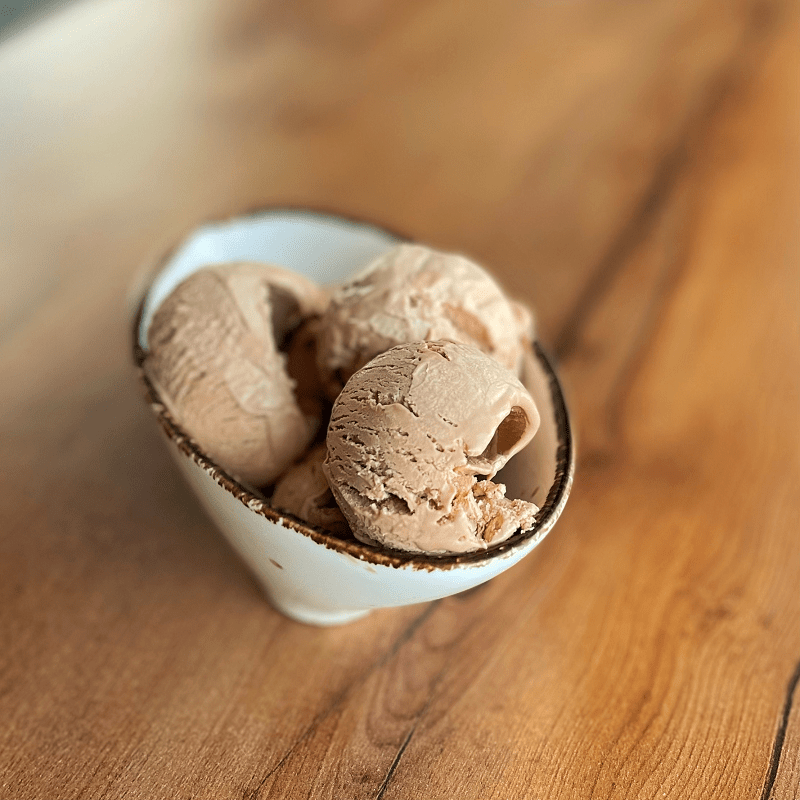
Dense, scoopable and deeply cocoa, churned with nothing but a whisk, a freezer and patience.
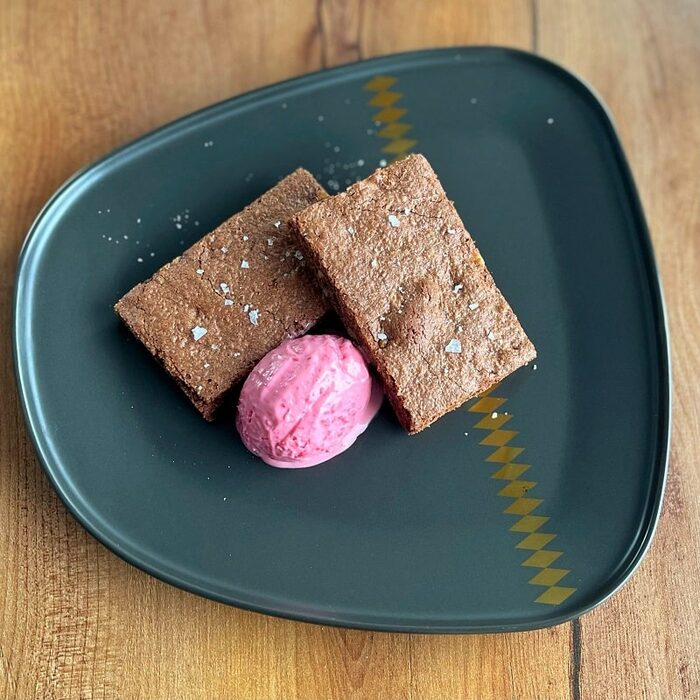
A fudgy, crackle-topped square that never misses its flour, served warm under a sharp raspberry scoop.
Crackled edges, soft centers and enough espresso to make the cocoa taste twice as dark.
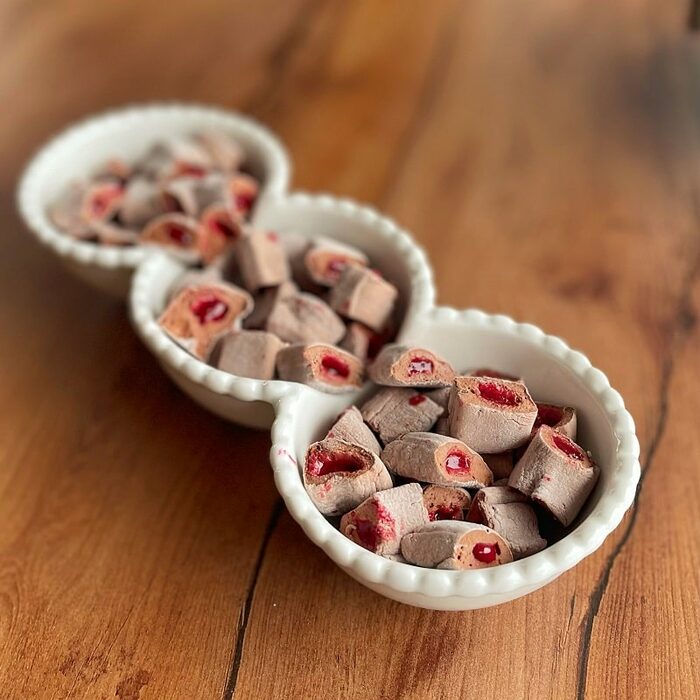
A pillowy bite that springs back under your finger, laced with sour cherry and wrapped in a thin chocolate coat.
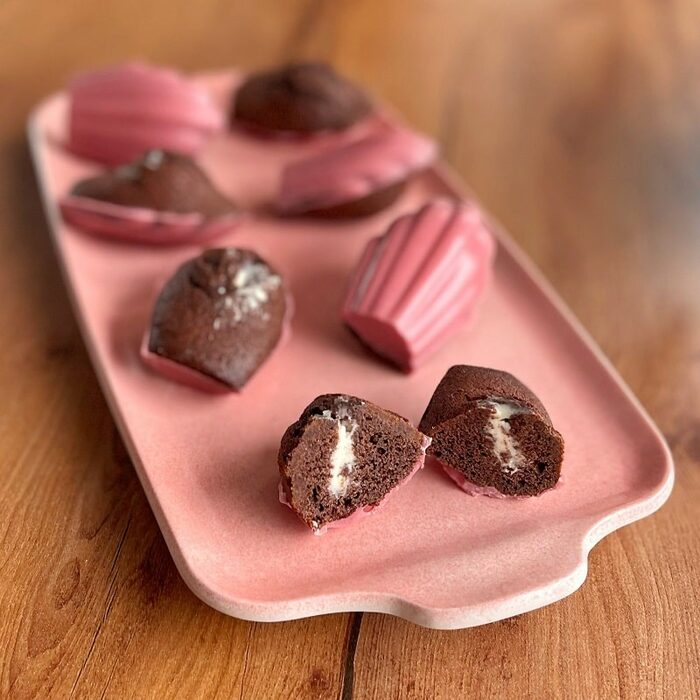
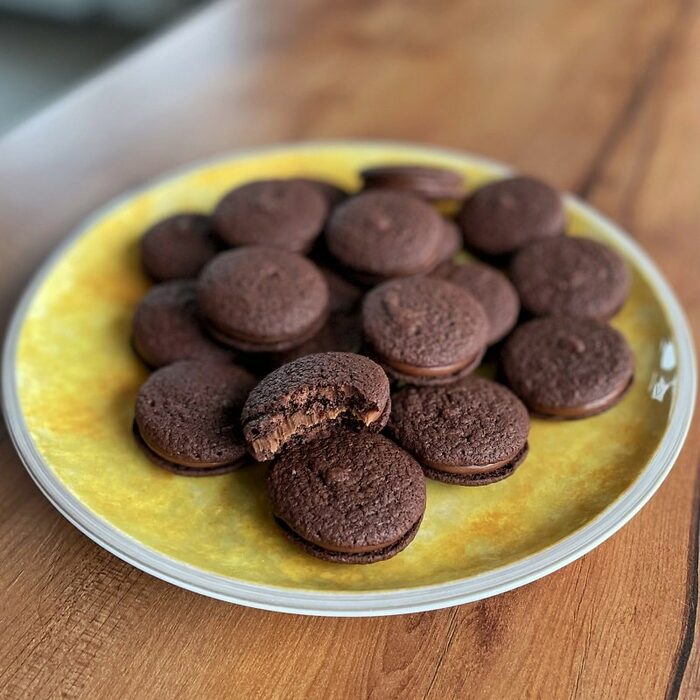
The shell-shaped sponge with its proud little hump, dipped in blush-pink ruby chocolate and hiding a soft heart.
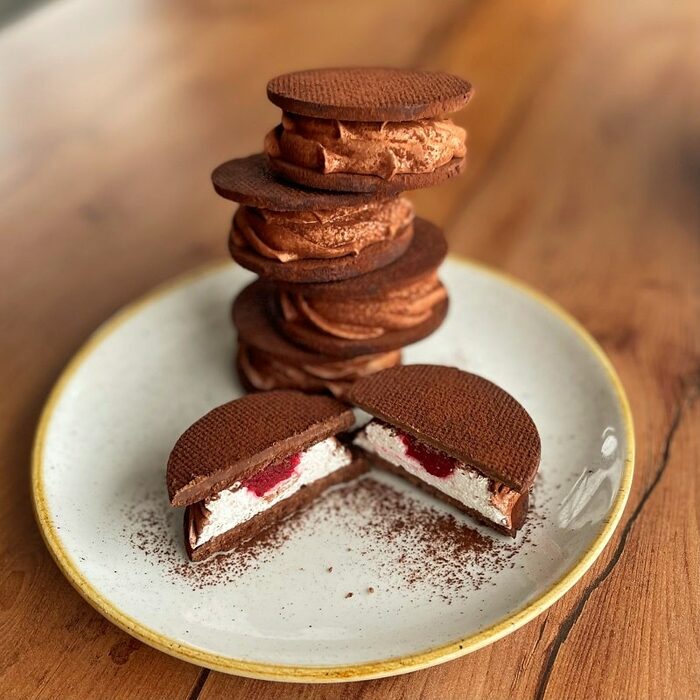
Two clouds of zephyr, Russia's silkier answer to marshmallow, pressed around bright raspberry under a chocolate coat.
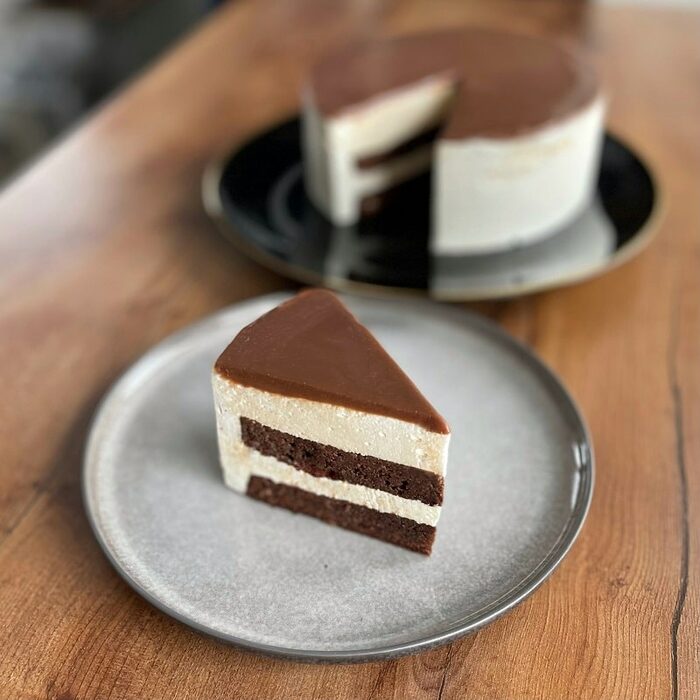
A Russian classic rebuilt in chocolate: a cloud-light, agar-set chocolate souffle over a rich chocolate sponge, sealed under a glossy ganache glaze that slices clean.
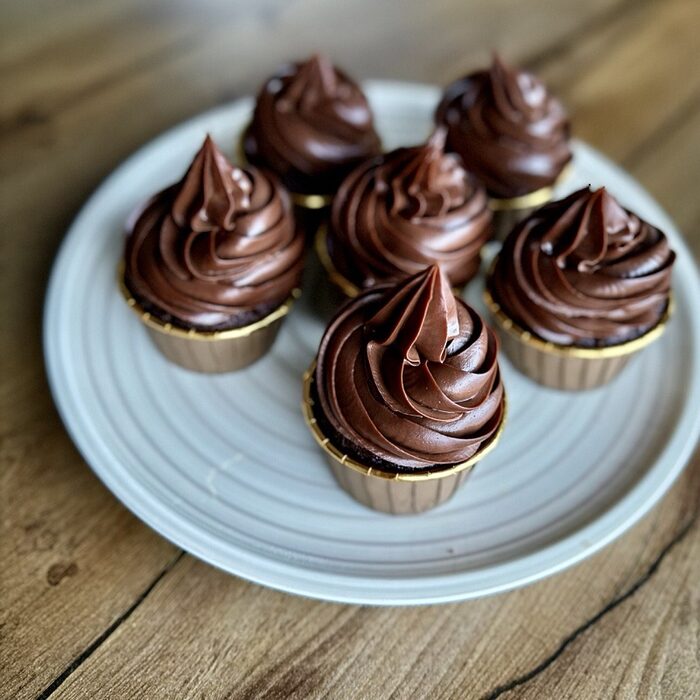
A tender midnight crumb crowned with silky cremeux and a ribbon of banana caramel that stretches as you bite.
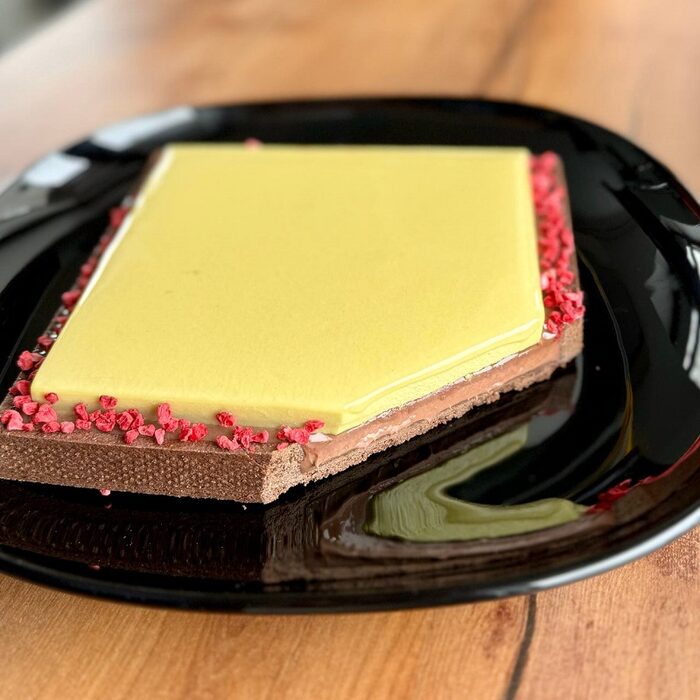
Snappy cocoa pastry, deep-green pistachio cream and a dark ganache surface polished like a mirror.
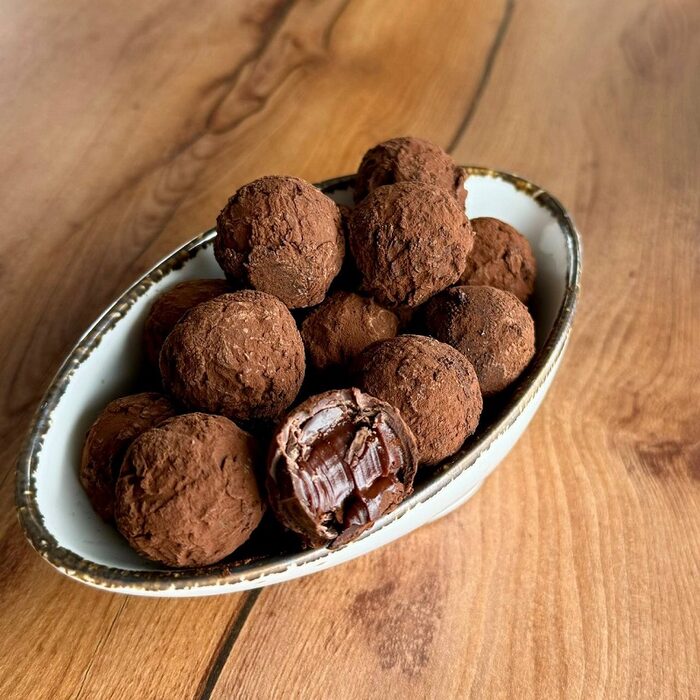
The benchmark truffle: a crackling shell, a center that melts at body temperature and cocoa dust on your fingertips.
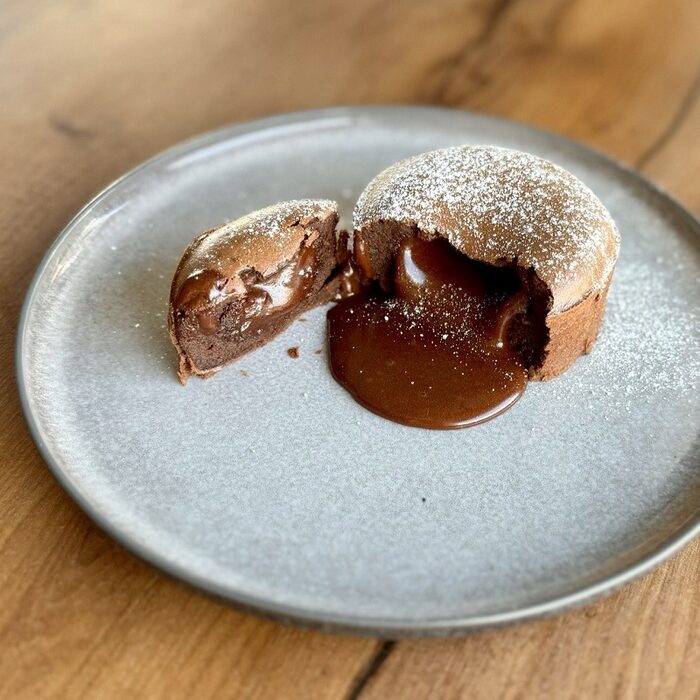
The molten lava cake, timed to the minute so the crust holds and the center floods the plate at the first spoon.
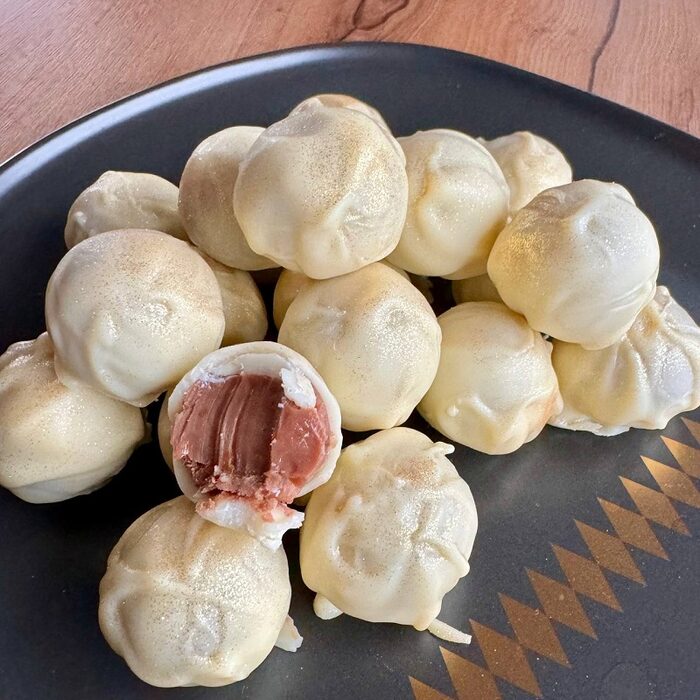
A sharp citrus ganache inside a snappy chocolate shell: sunshine wearing a tuxedo.
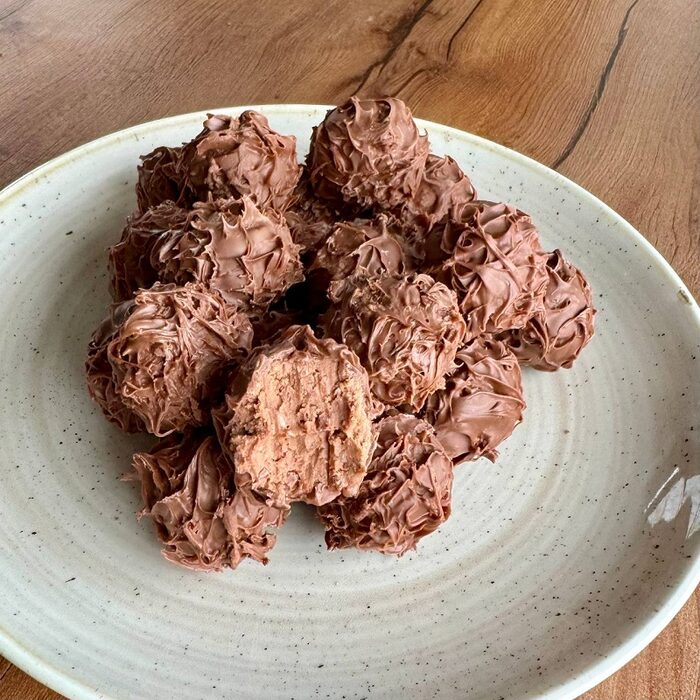
A grown-up truffle with a soft cream-liqueur center that lingers like the last sip of the glass.
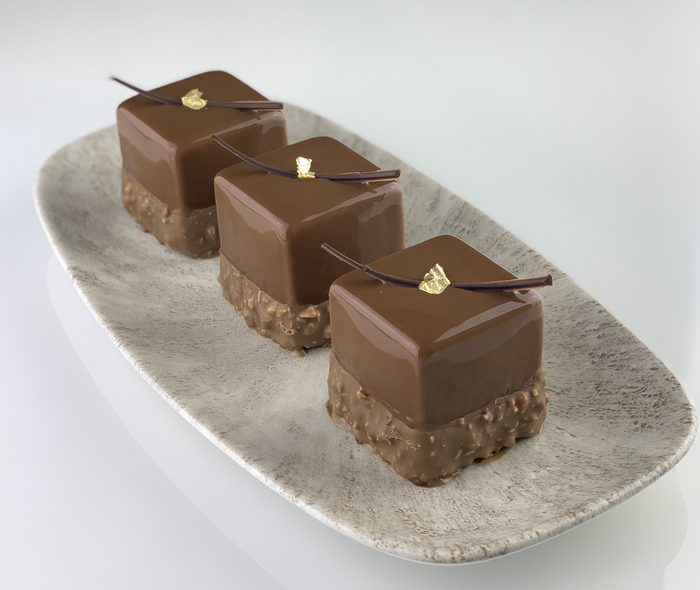
A patisserie-window mousse pastry with a Belgian soul: layered textures built element by element and glazed to a mirror finish.
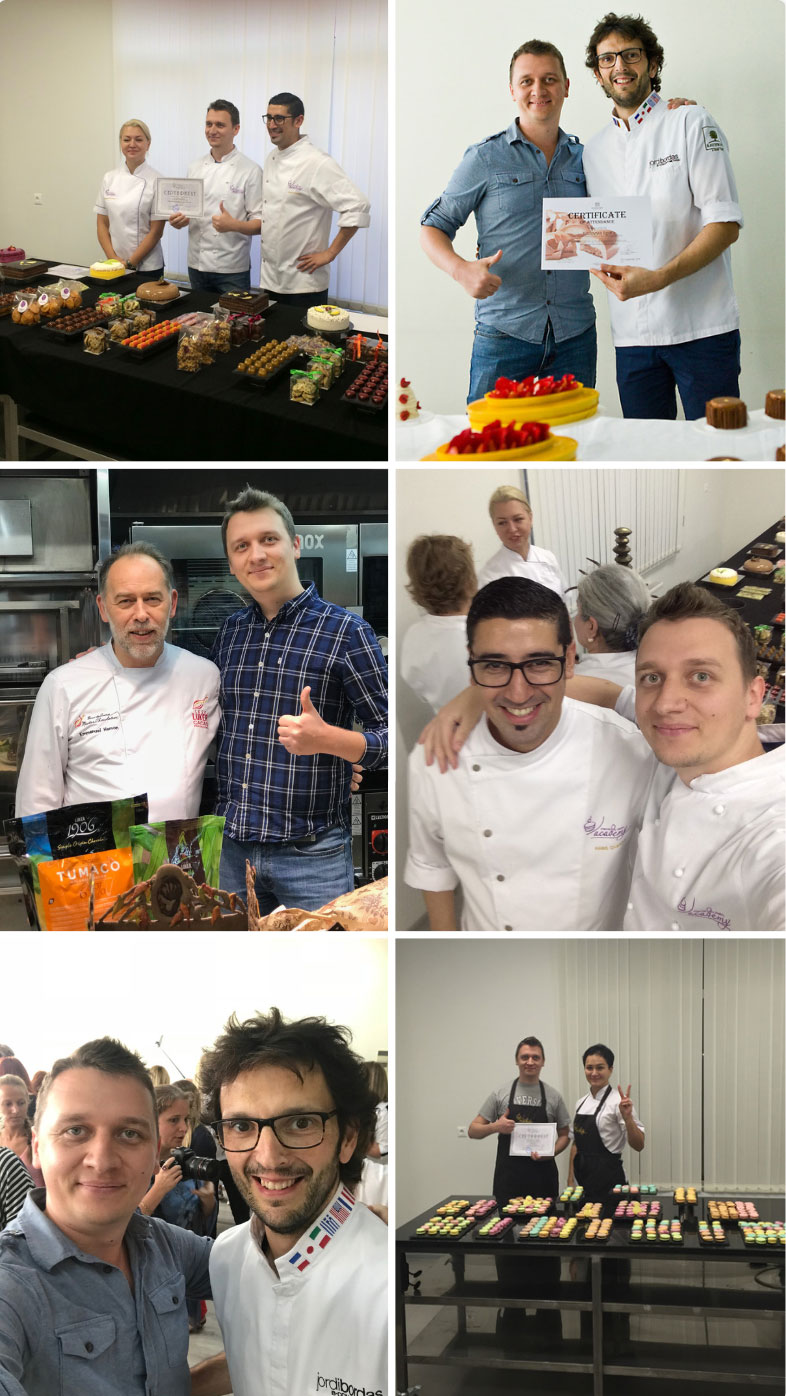
“A chocolate lover should not be stuck at brownies. Once you know how chocolate behaves, the whole map is yours.”
For years my safe move was the same tray of brownies. I loved chocolate, but the ice cream, the souffle, the glazed pastry all felt like they belonged to someone with better training. I still remember pulling a souffle cake out of the oven that had sunk into a dense, sweet-but-flat disc, nothing like the deep, airy thing I had pictured, and I had followed the recipe exactly. The day it changed was not a new recipe, it was finally understanding why a souffle sets and why a glaze stays glossy. Suddenly they were not separate mysteries, just chocolate in different states, and the same understanding carried from ice cream to mousse to a tart to truffles. This course is that shift, packed into 15 lessons, so you stop guarding one dessert and start making the whole range, each one tasting the way you love it.
Every dessert is a clear video you can pause and rewatch, with a downloadable PDF guide to work from.
Bake, churn and set it in your own kitchen, dessert by dessert, with the why fresh in mind.
On Studio and Signature, send your work to the team and get specific fixes instead of guesses.
Baking these just for yourself? Take Essentials. Want feedback on the desserts you make? Take Studio. Want the Bruges mousse pastry showpiece and lifetime access? Take Signature.
Every plan is a one-time payment with instant access and a 14-day money-back guarantee.
Change your mind within 14 days of purchase and we will refund you.
Finish the lessons and homework on Studio or Signature and receive your certificate.
On Studio and Signature, the team reviews your work and answers questions for 12 months.
One year of access on Essentials and Studio. Lifetime access on Signature.
Is this a course about chocolate desserts or about working with chocolate as a craft?
It is about chocolate desserts. Across 15 lessons you make 13 to 14 finished desserts, frozen, baked, whipped, set, a tart and truffles, each one built for deep chocolate flavor and proper texture. Tempering appears once as a short practical foundation, only because the truffles and a few dipped finishes need it. If you want the craft of chocolate itself, that is our separate course, The Chocolatier's Path.
I can manage a brownie but everything else feels out of reach. Is this for me?
Exactly for you. The whole point is that these desserts feel out of reach only because no one explained why they work. You learn the why behind each family, so ice cream, mousse, souffle, a tart and truffles become variations you understand, not gambles. All levels are welcome.
Why do my chocolate desserts taste flat or one-note?
Usually because the recipe was followed without the why behind deep chocolate flavor. Across the lessons you learn how to build real, rounded chocolate intensity into each dessert family, so results read as chocolate, not just sweet and brown, and repeat instead of depending on luck.
Do I need an ice cream machine or other special equipment?
No. The chocolate ice cream is built to stay scoopable with no machine, and the whole course is designed for an ordinary home kitchen. A couple of dipped desserts use a short foundation step you can do with the tools you already own.
How many desserts do I actually get, and what is the extra one?
Thirteen chocolate desserts are in every plan: ten core plus three bonus. The Signature plan adds a fourteenth, the Bruges mousse pastry, a layered, mirror-glazed showpiece, for 13 to 14 in total depending on your plan.
What do the plans include, and how long do I have access?
Every plan has all 13 desserts and video plus PDF guides. Essentials is self-guided: learn at your own pace, with no team feedback, with course access for 1 year. Studio adds feedback and answers for 1 year, also with 1-year access. Signature adds the Bruges mousse pastry, feedback and answers for 1 year, and lifetime access. Every plan carries a 14-day money-back guarantee.
Frozen, baked, whipped, set, a tart and truffles: thirteen chocolate desserts you will actually understand, each one deep in flavor and right in texture, made well in your own kitchen. Pick your level of support and start with the first lesson today.